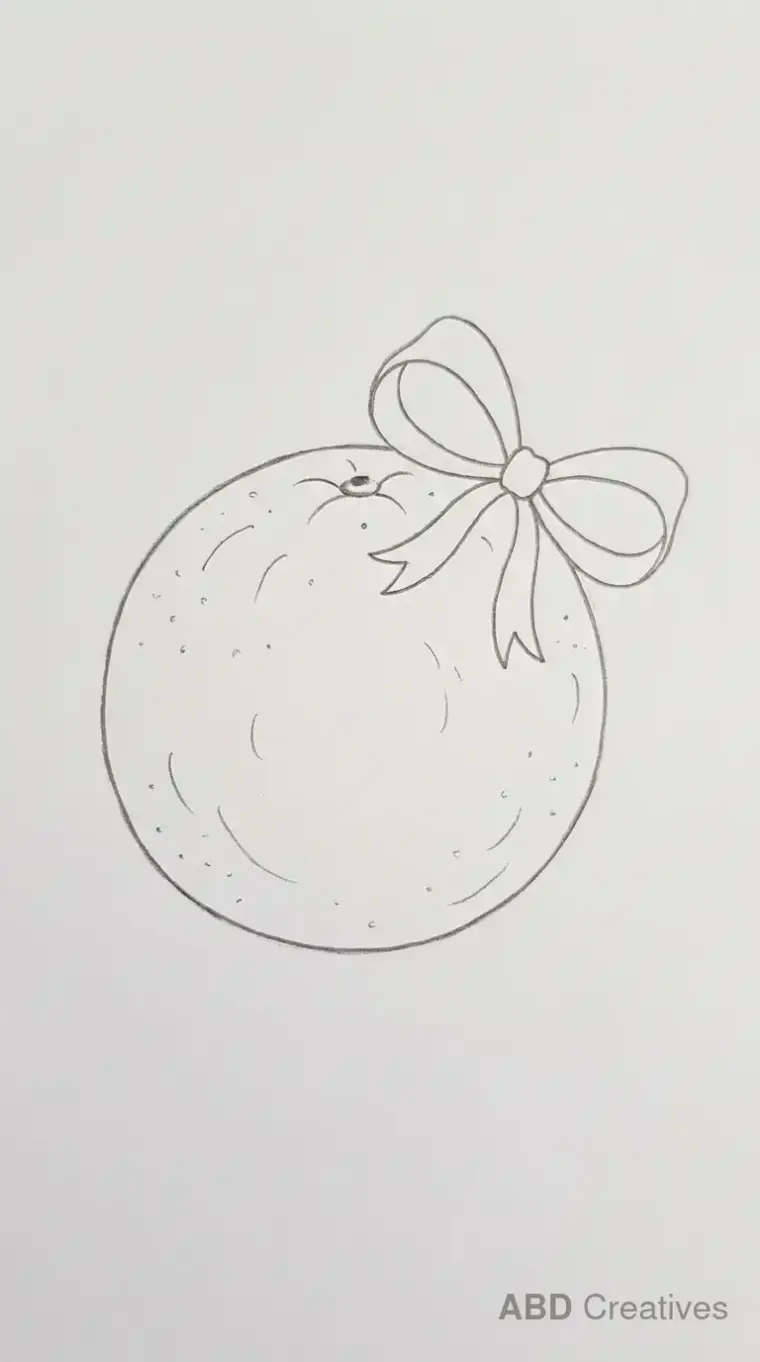
Orange Drawing Ideas
Twenty orange drawings you can copy straight onto paper, from a plain round orange to an orange hanging from a branch. Every one is a clean pencil outline drawn by hand, with no shading and no colour. Pick one, keep it next to you, and copy it line by line.
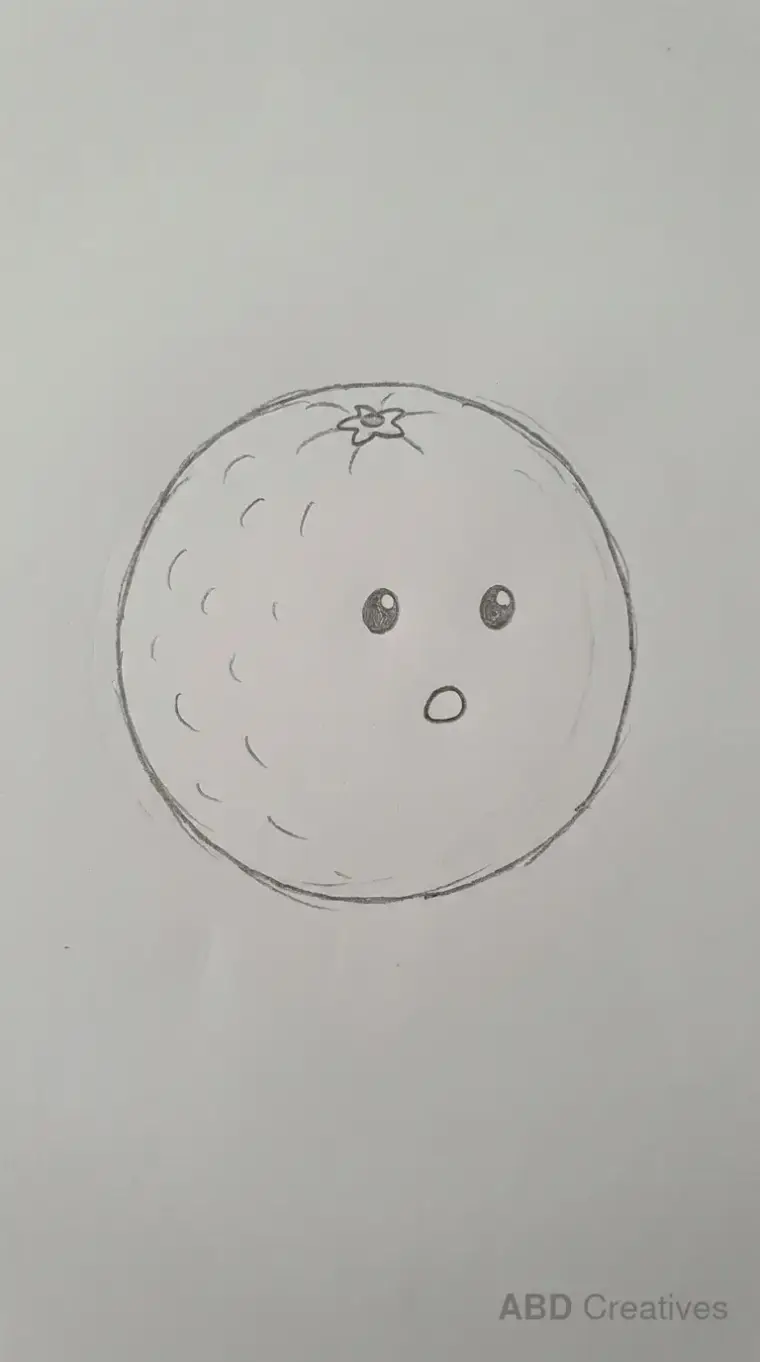
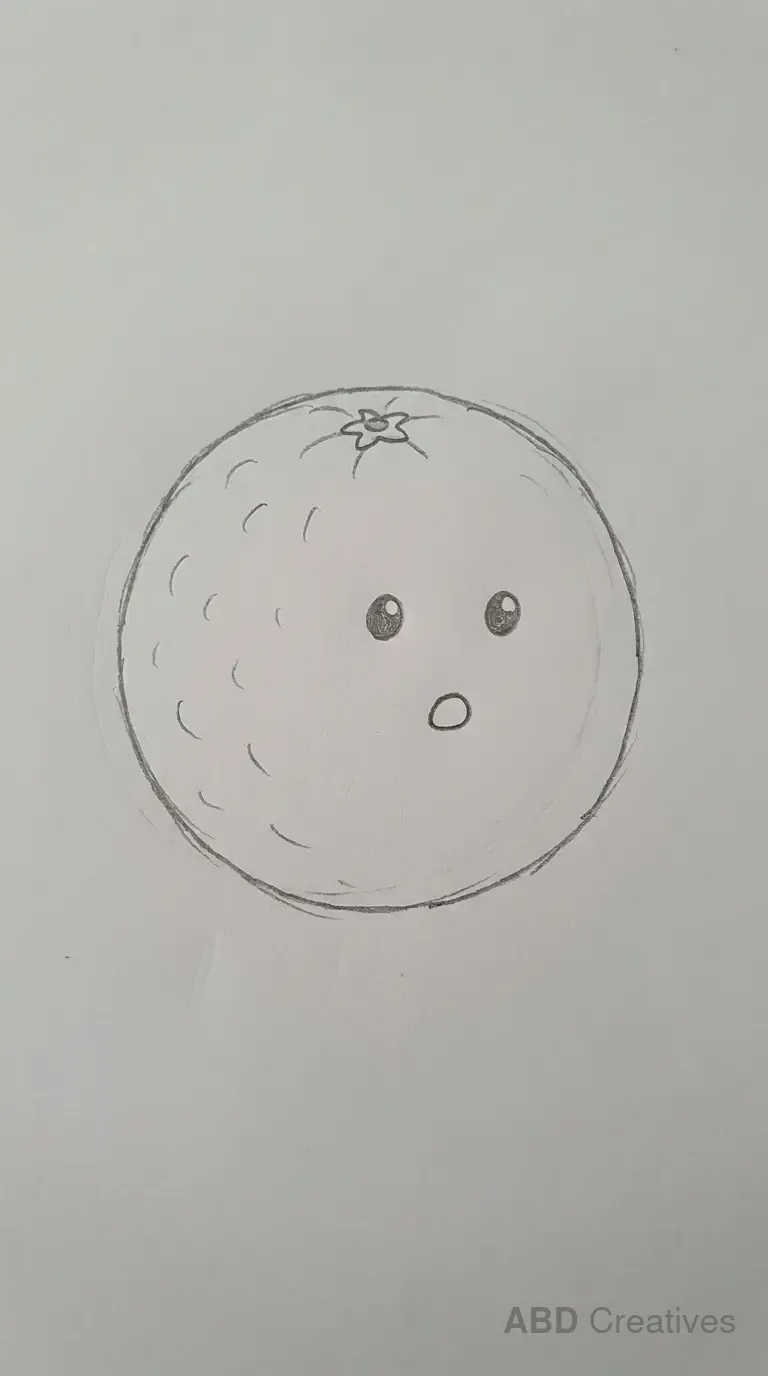
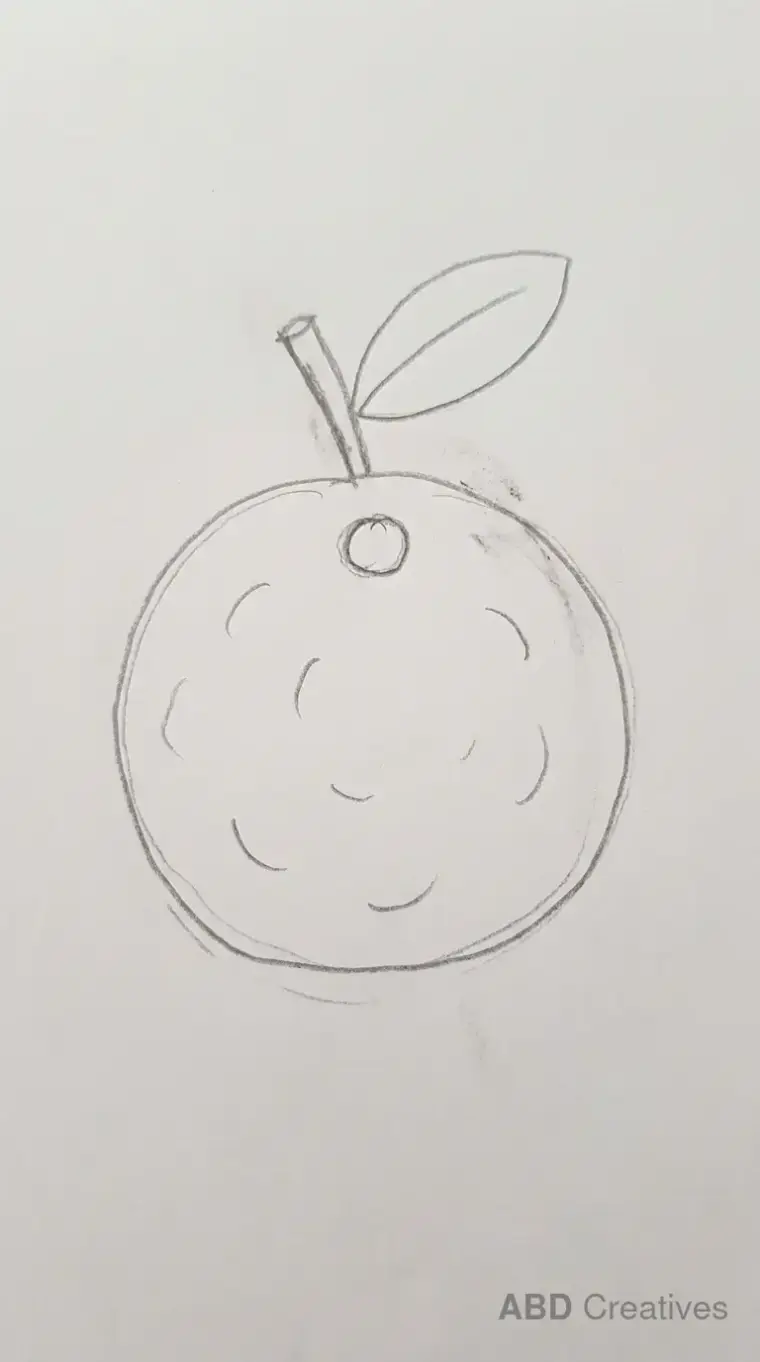
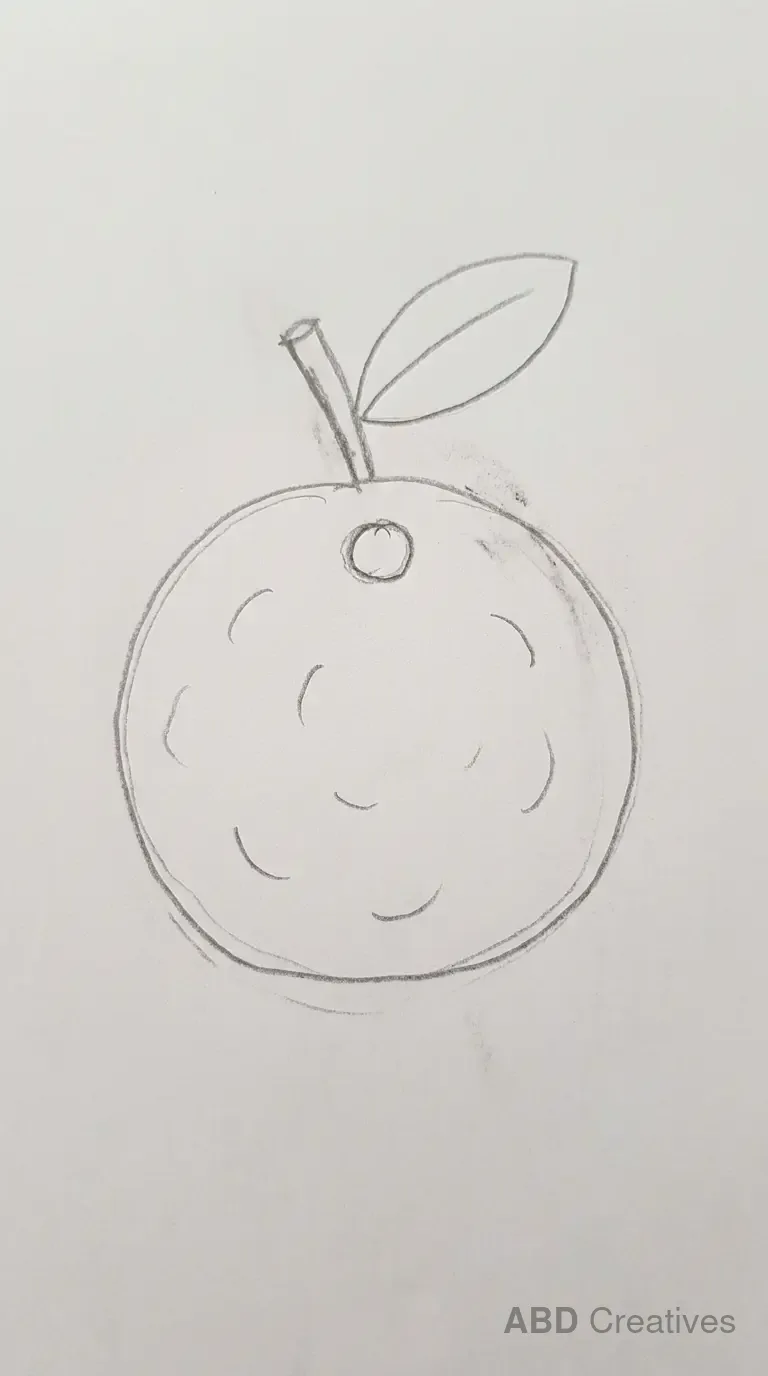
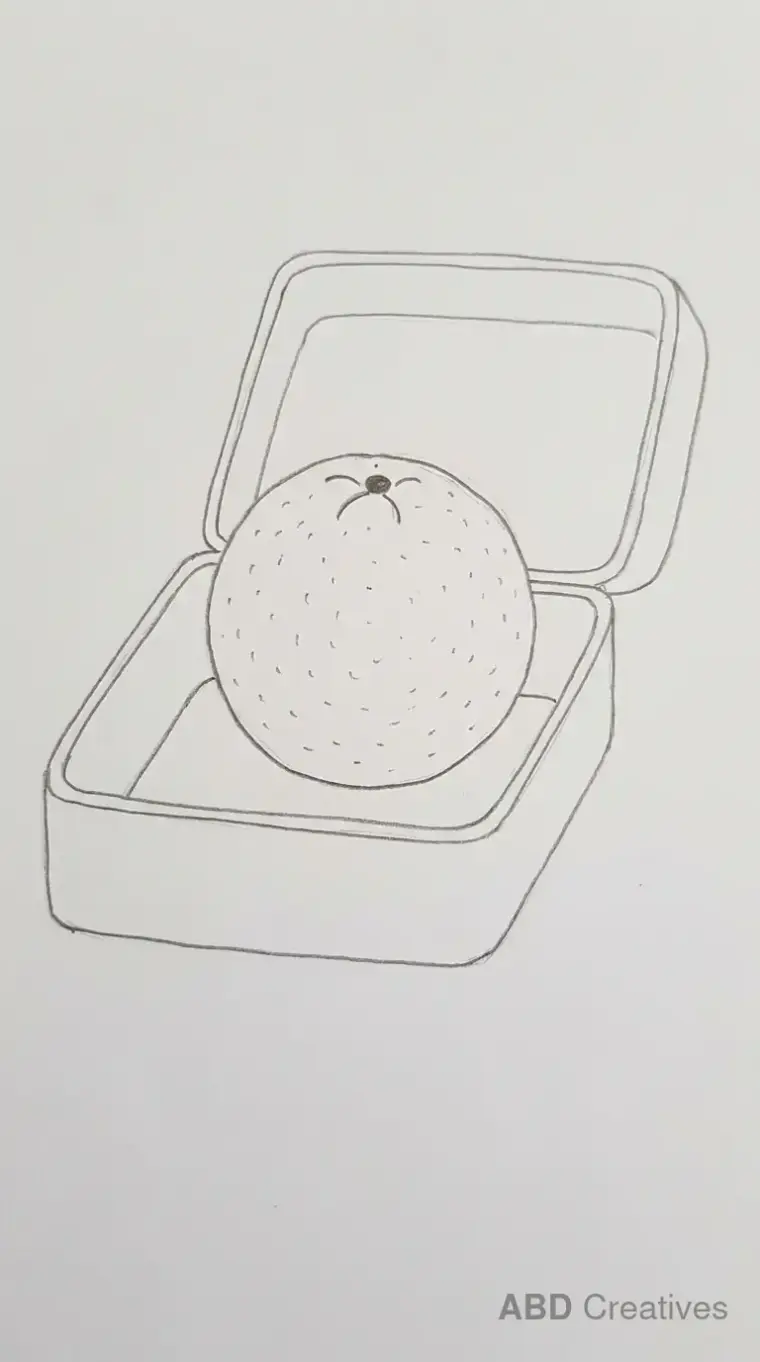
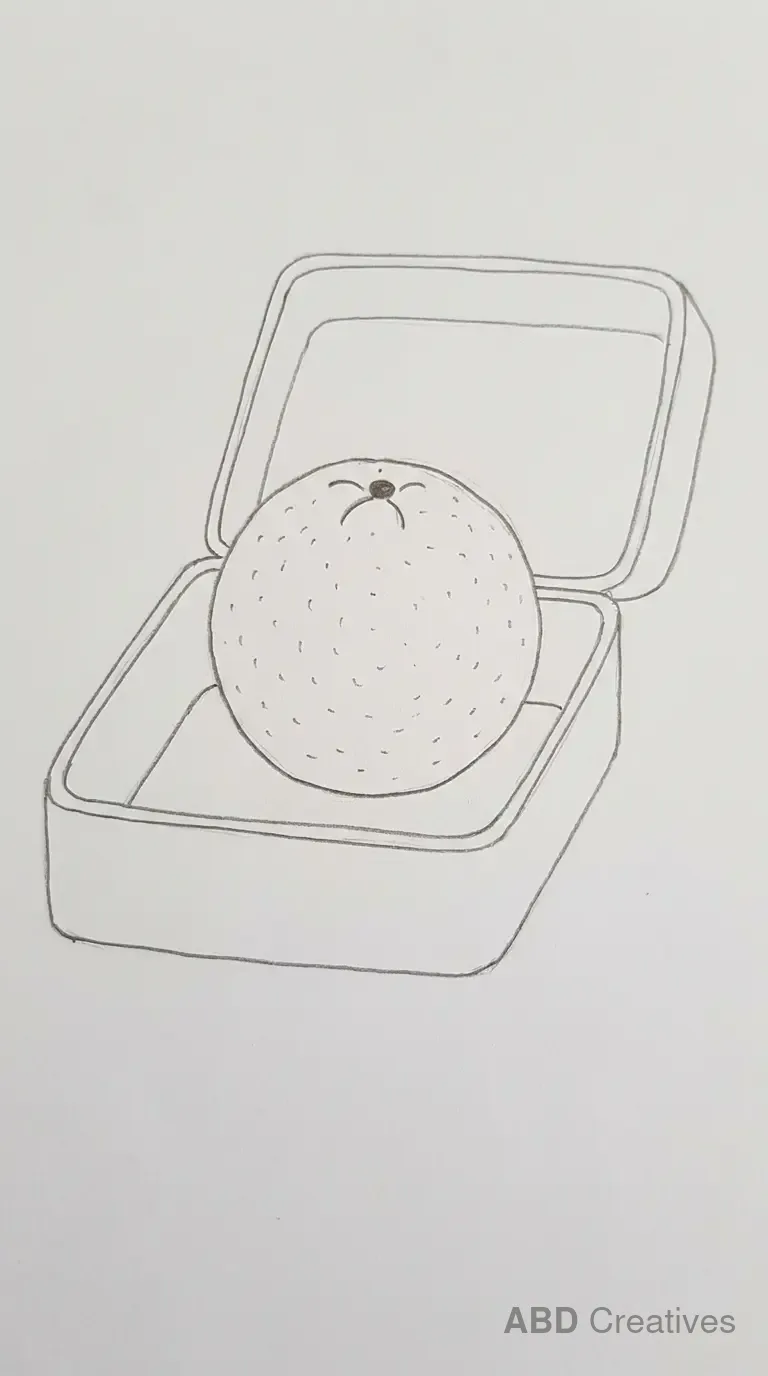
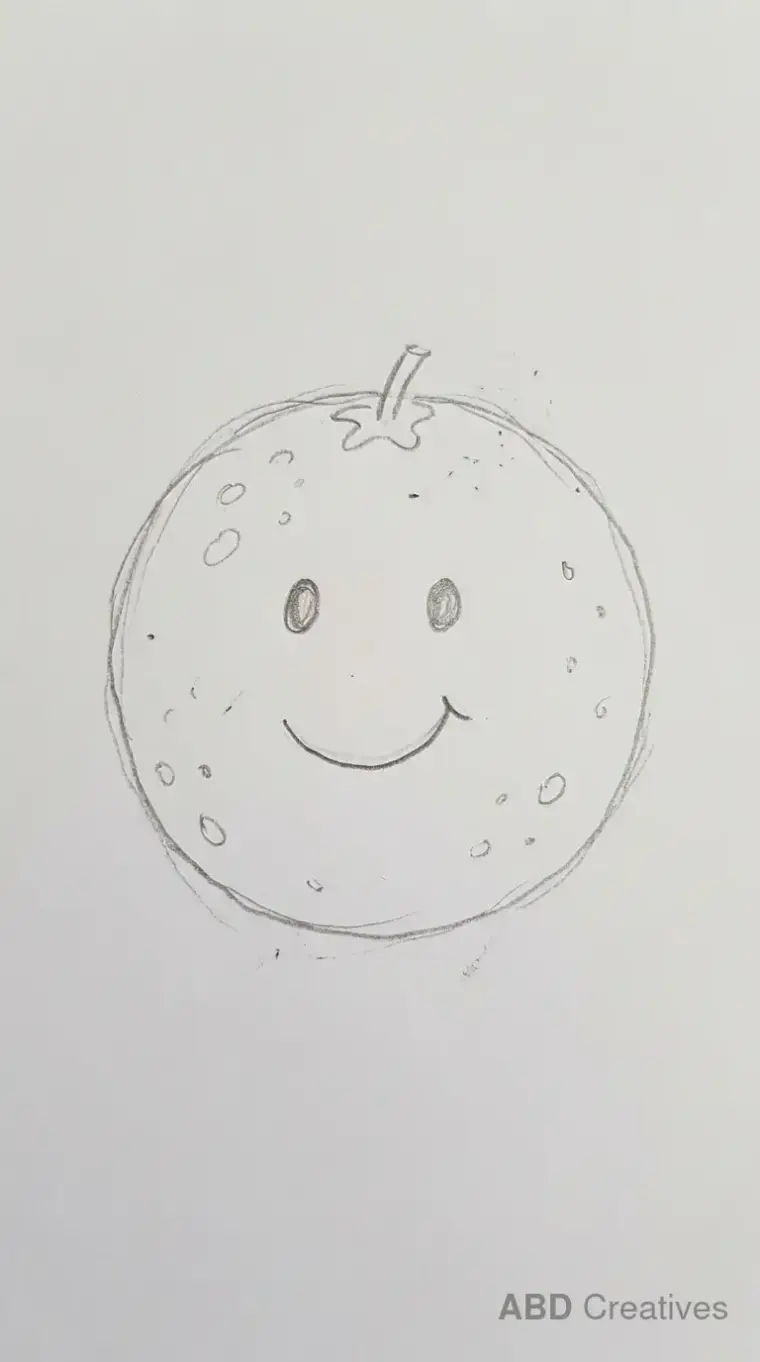
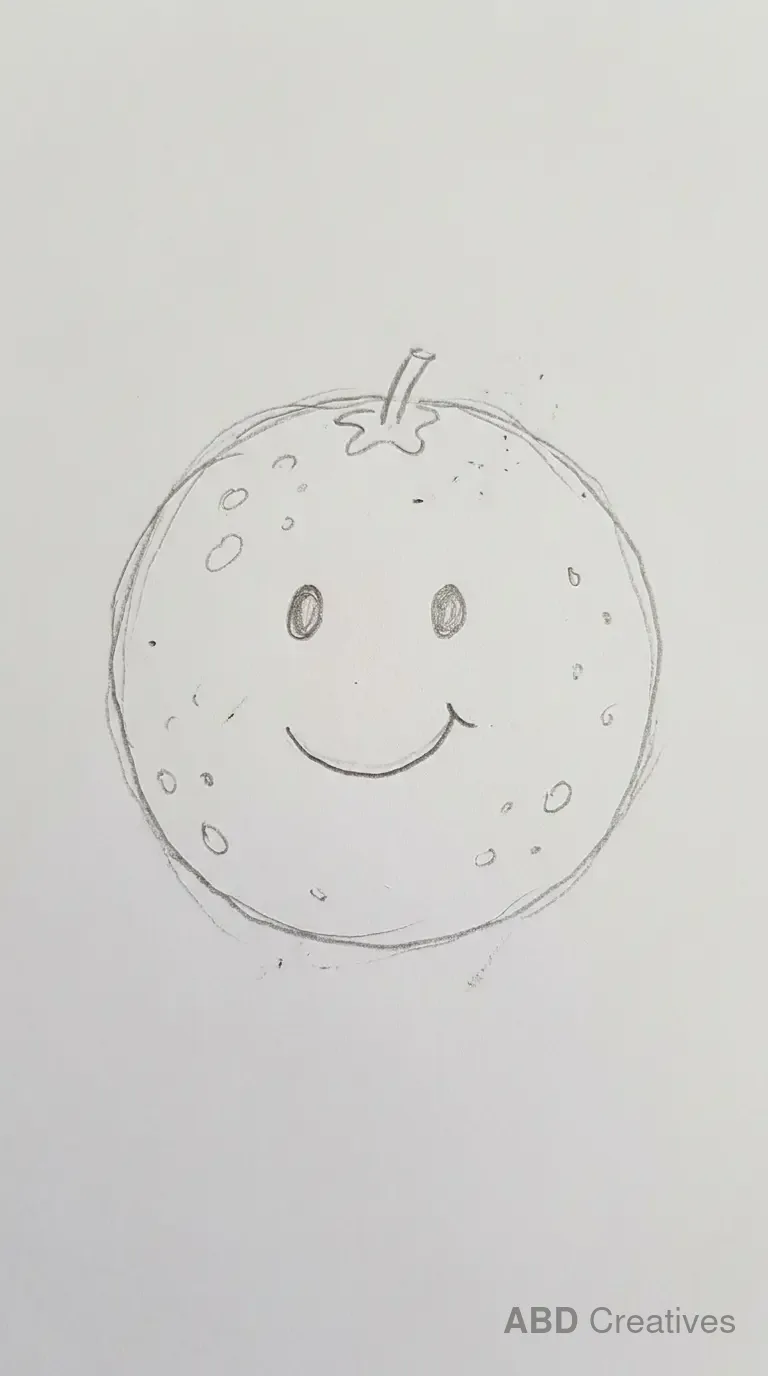
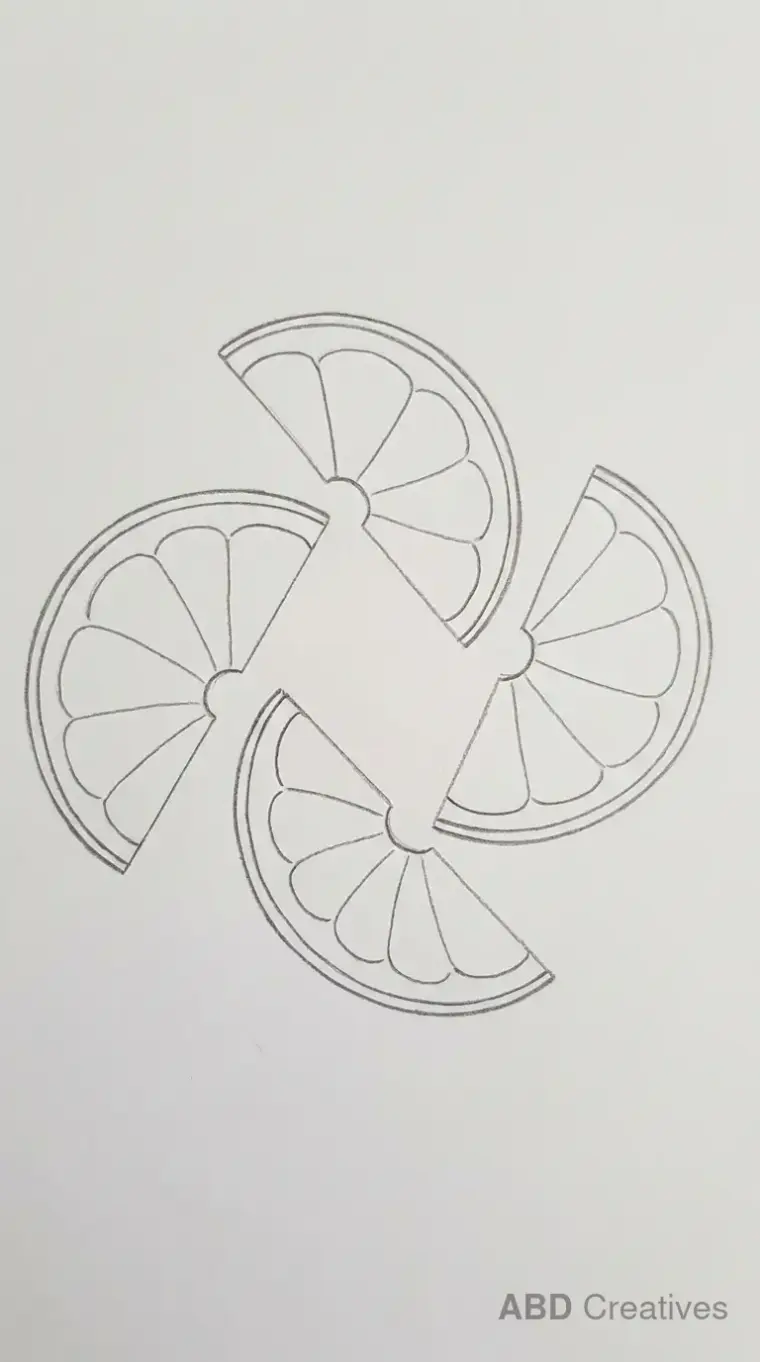
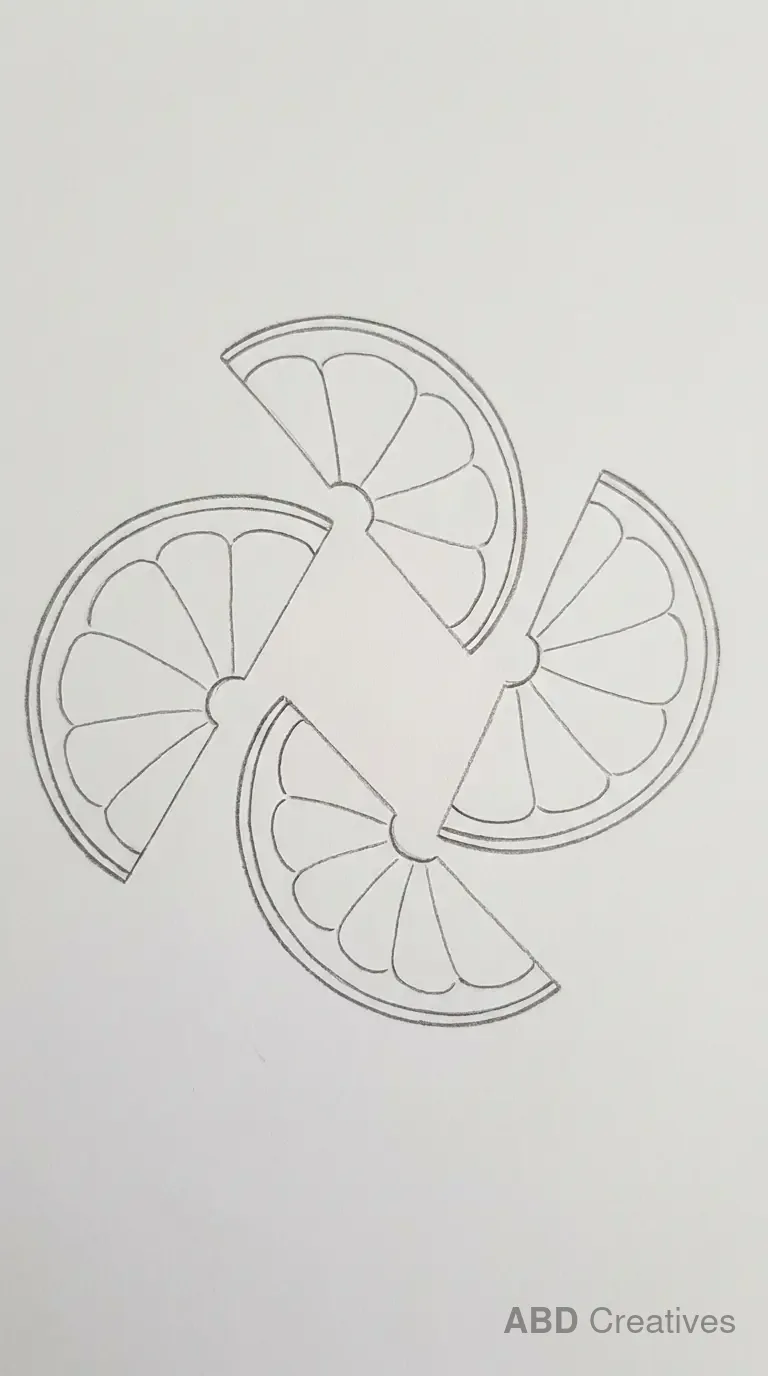
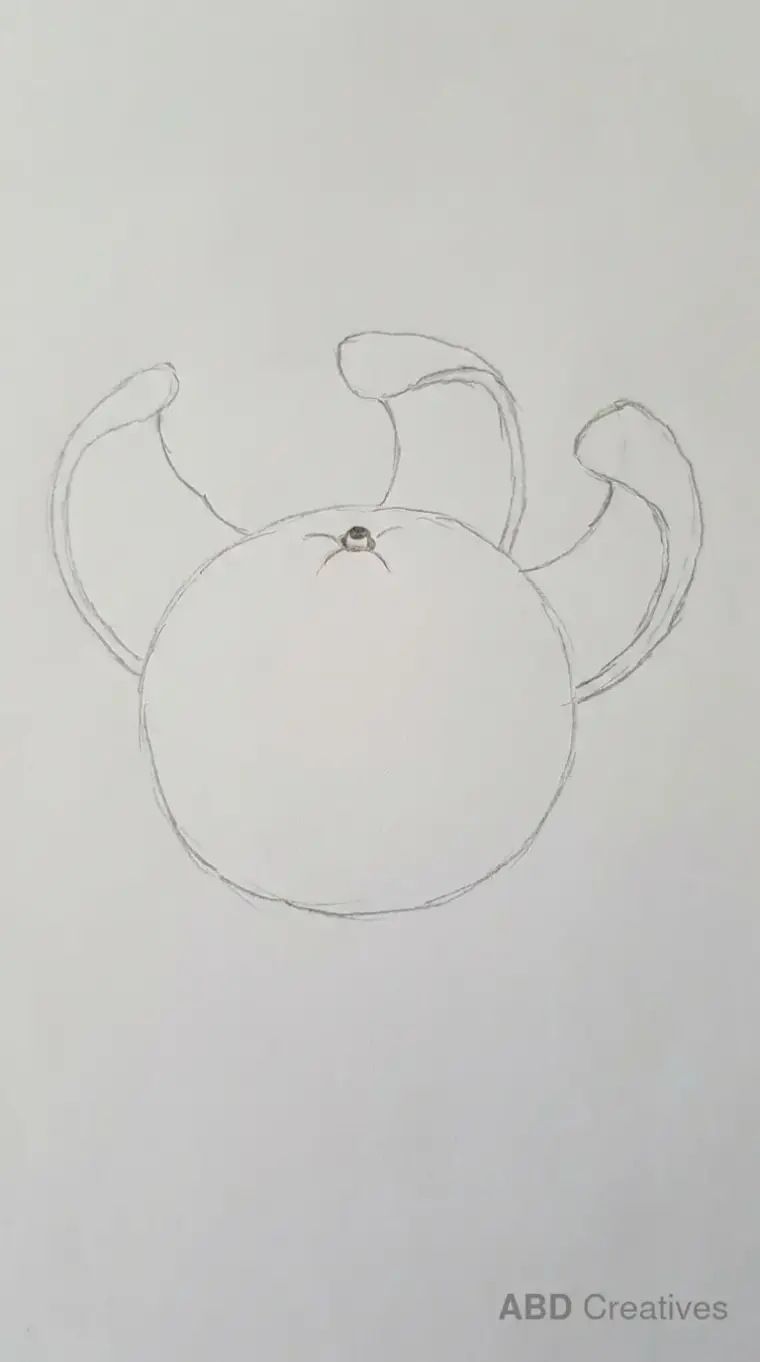
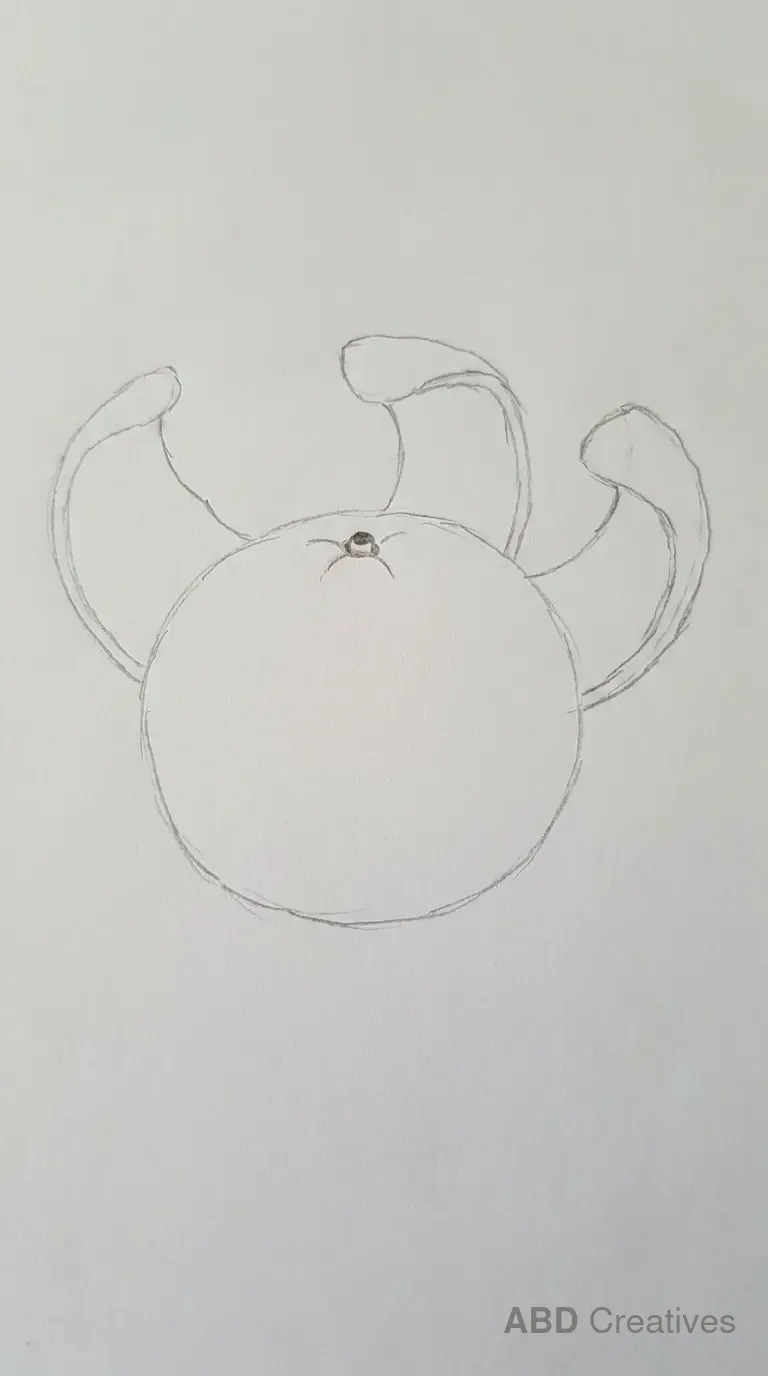
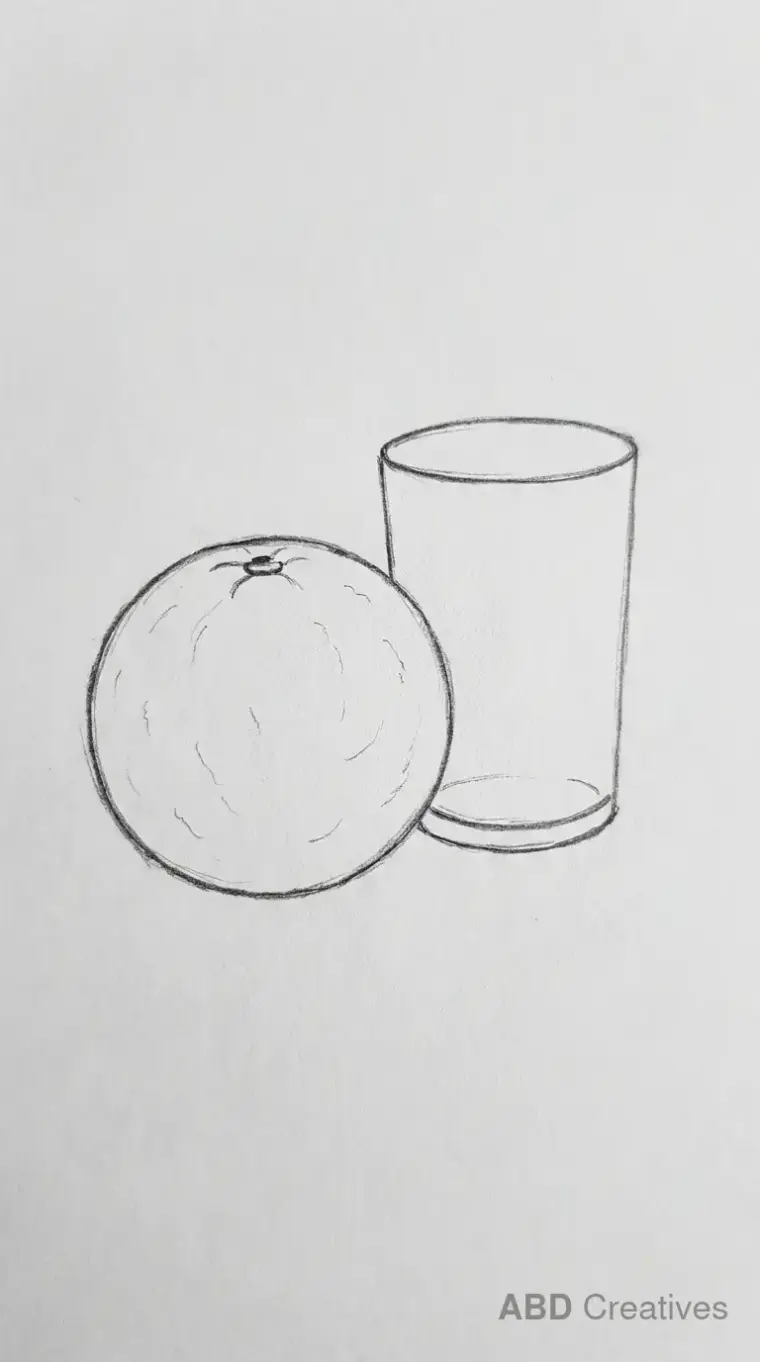
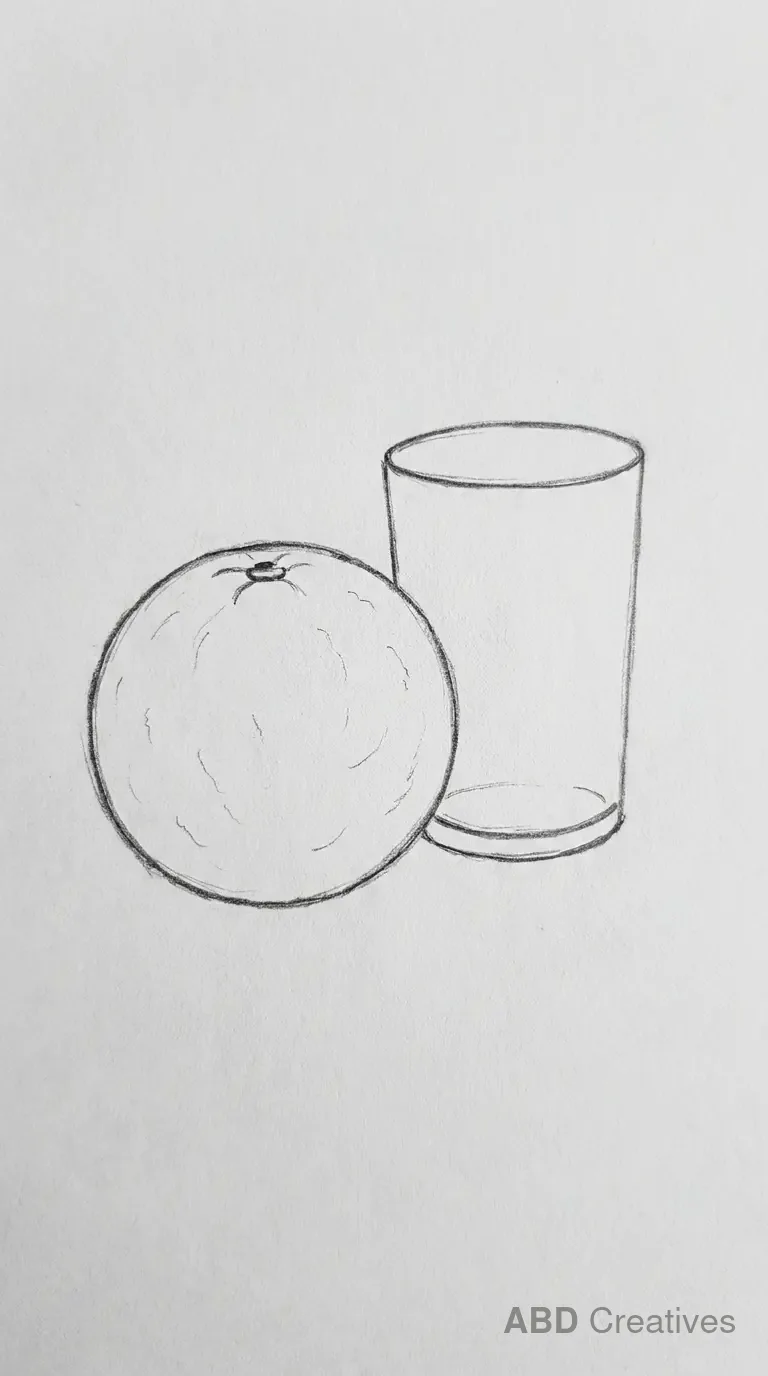
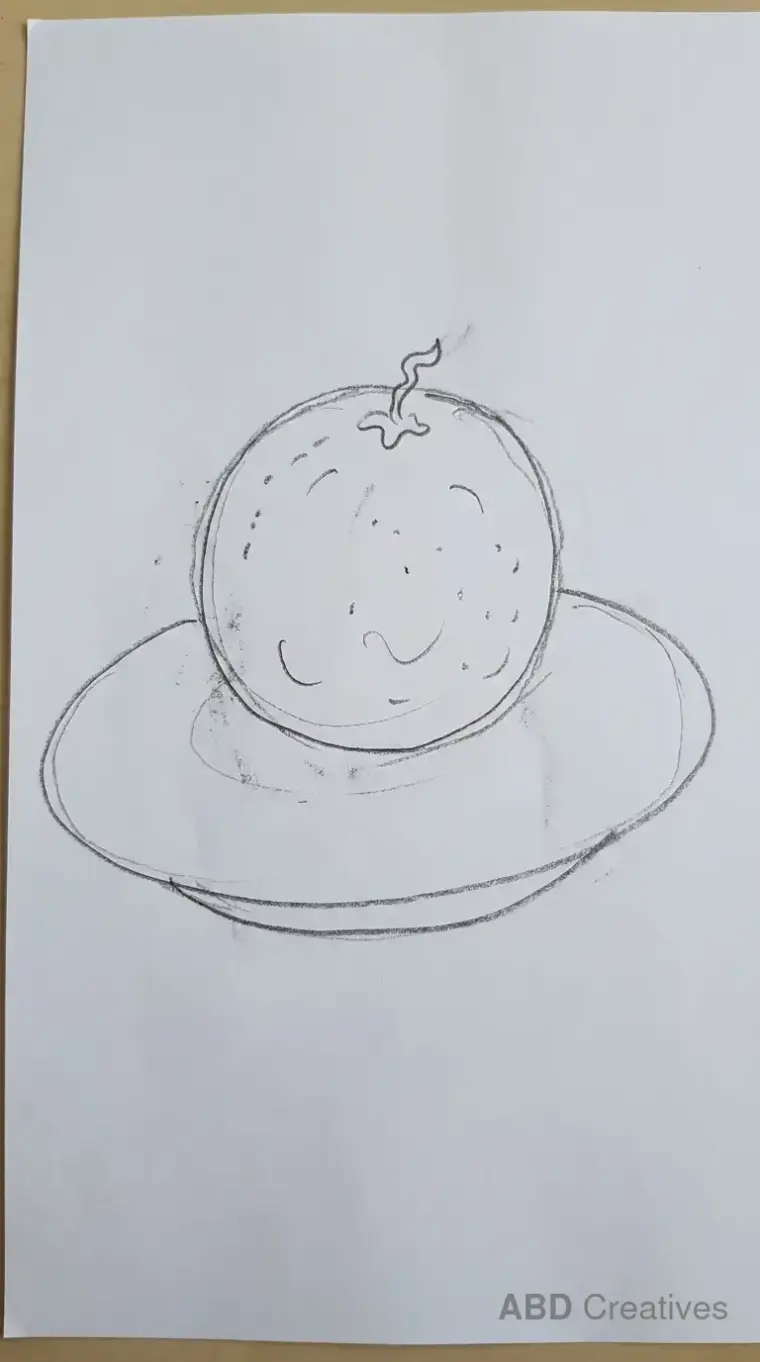
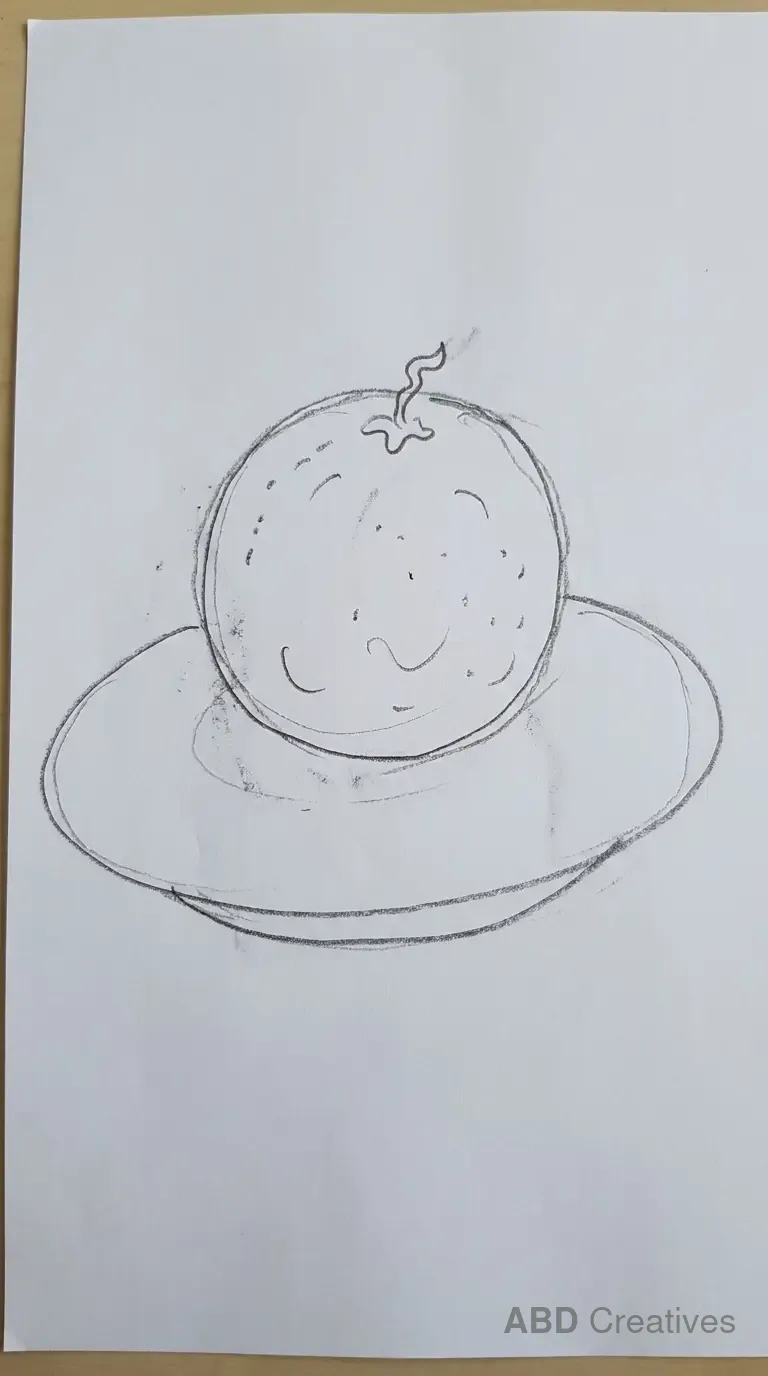
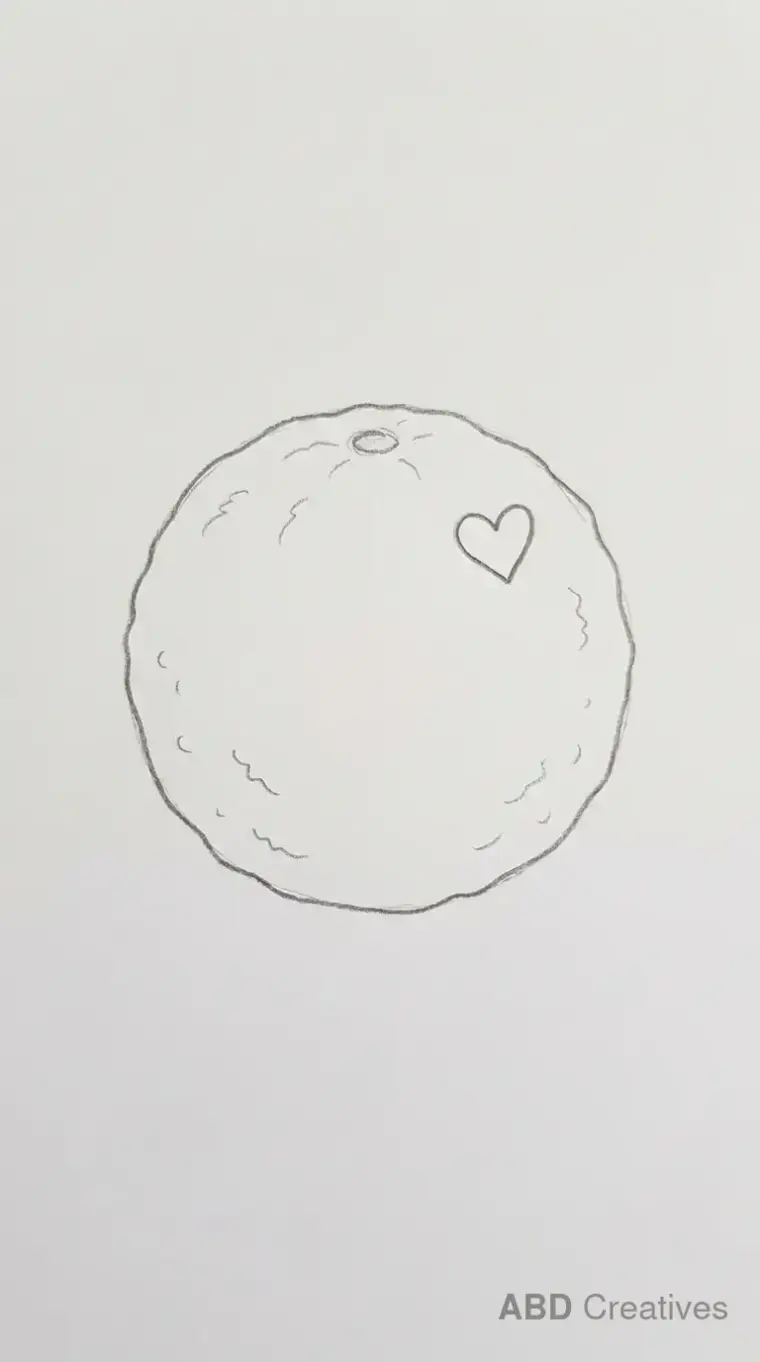
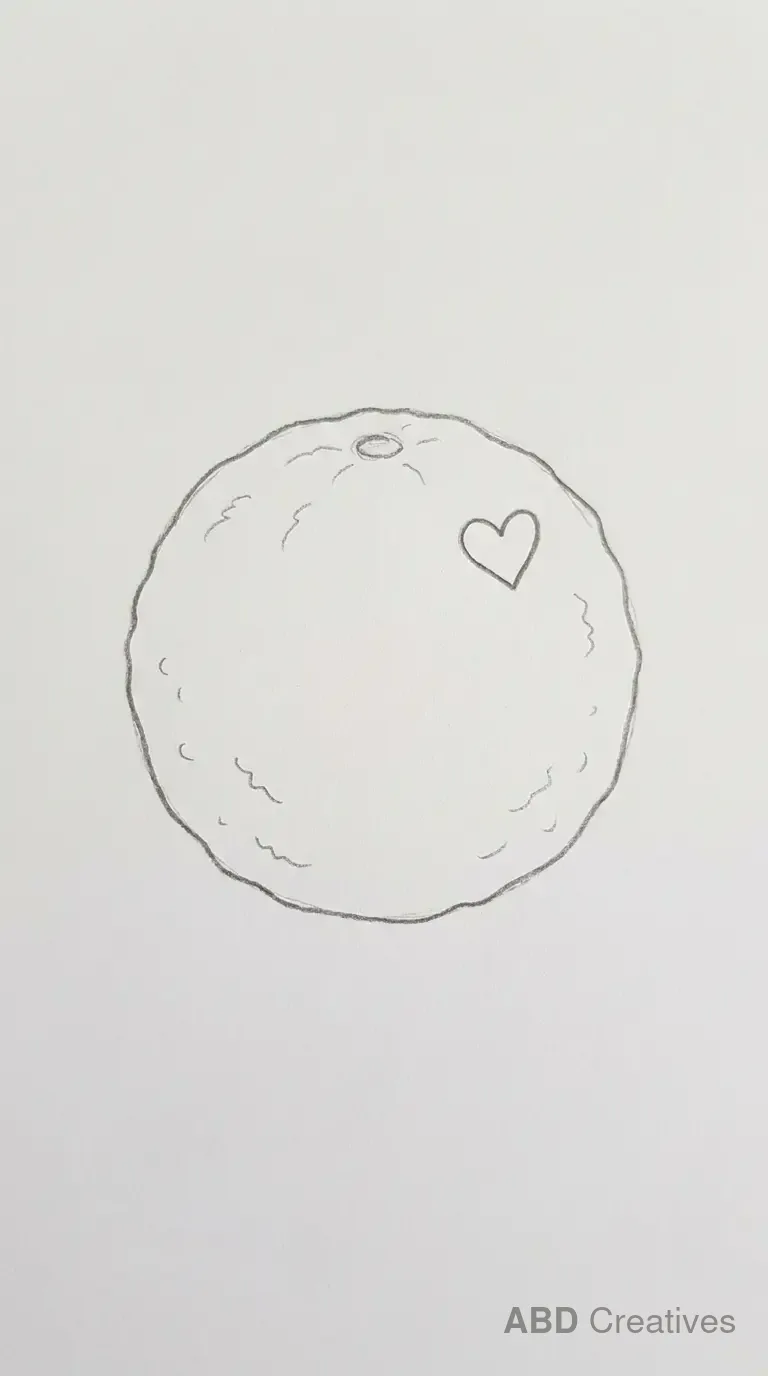
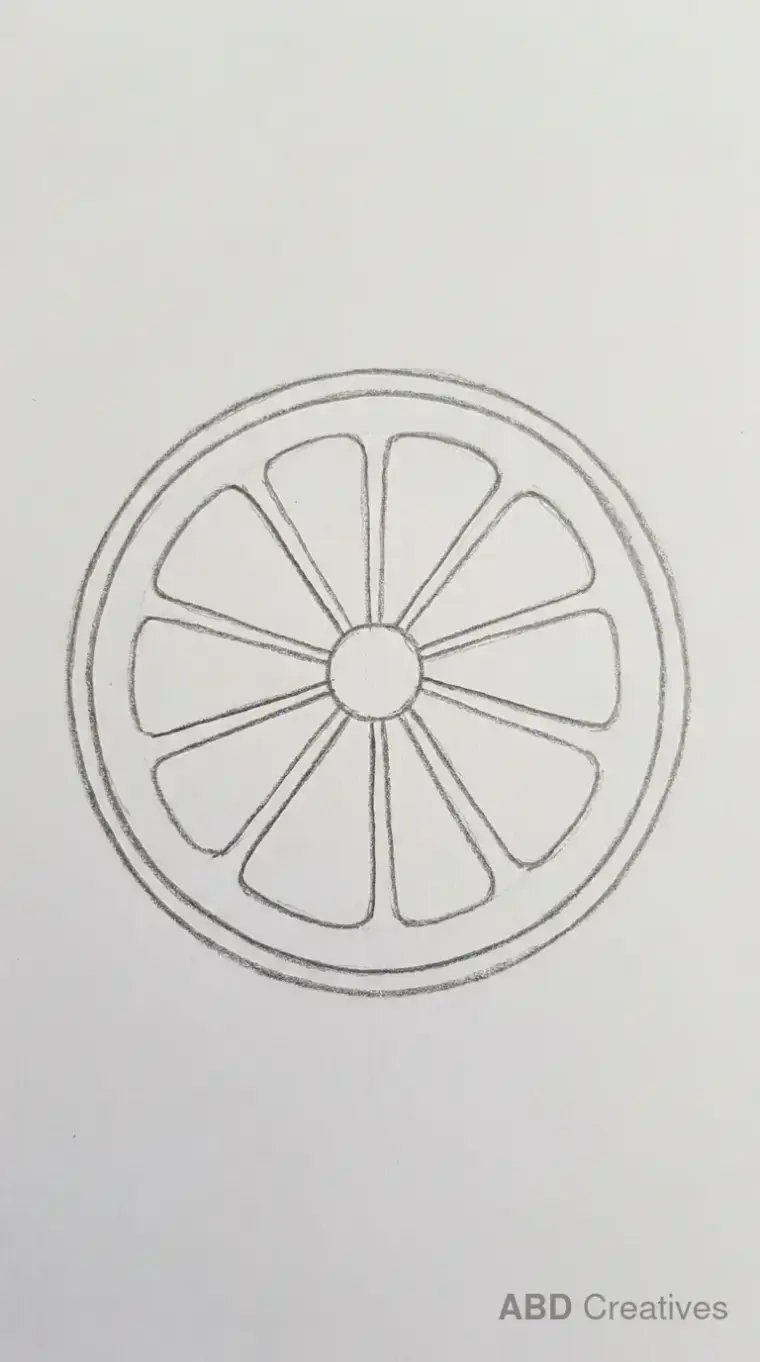
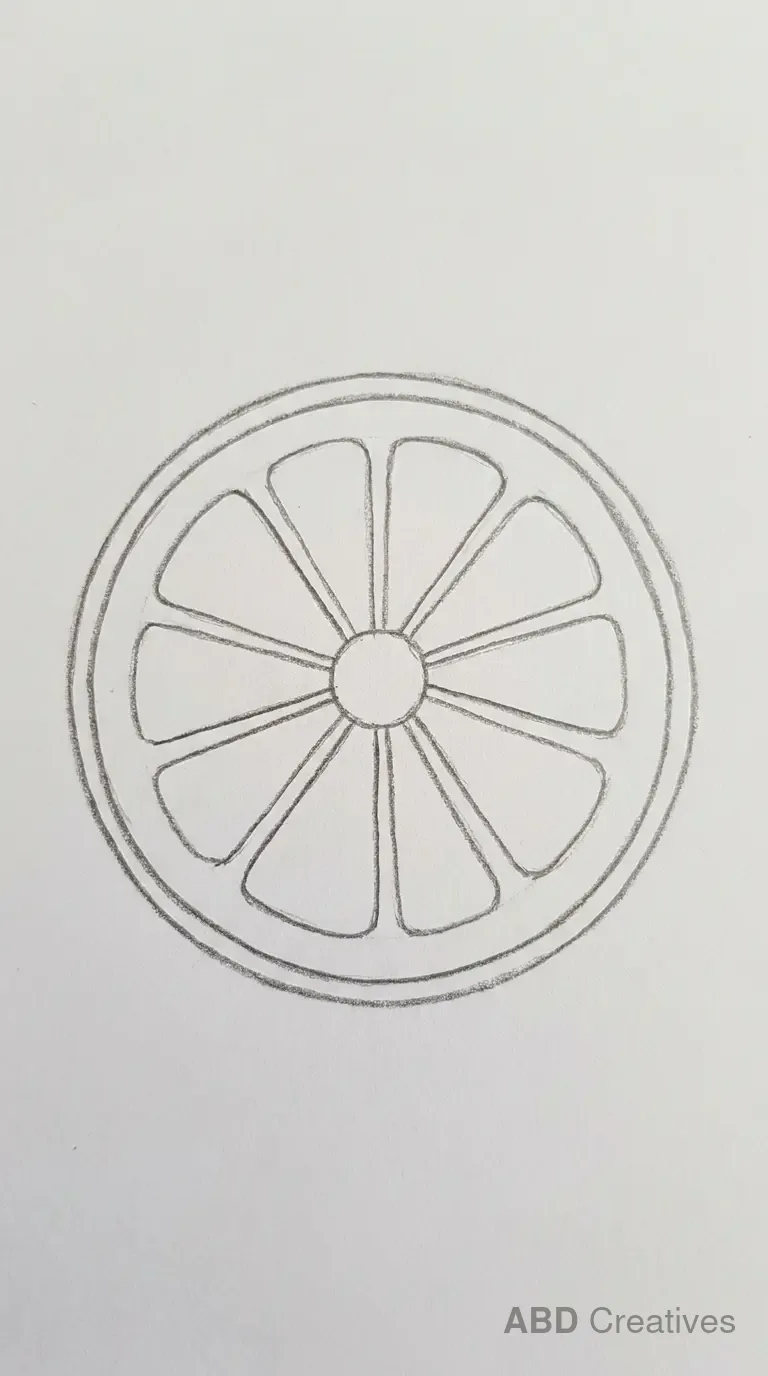
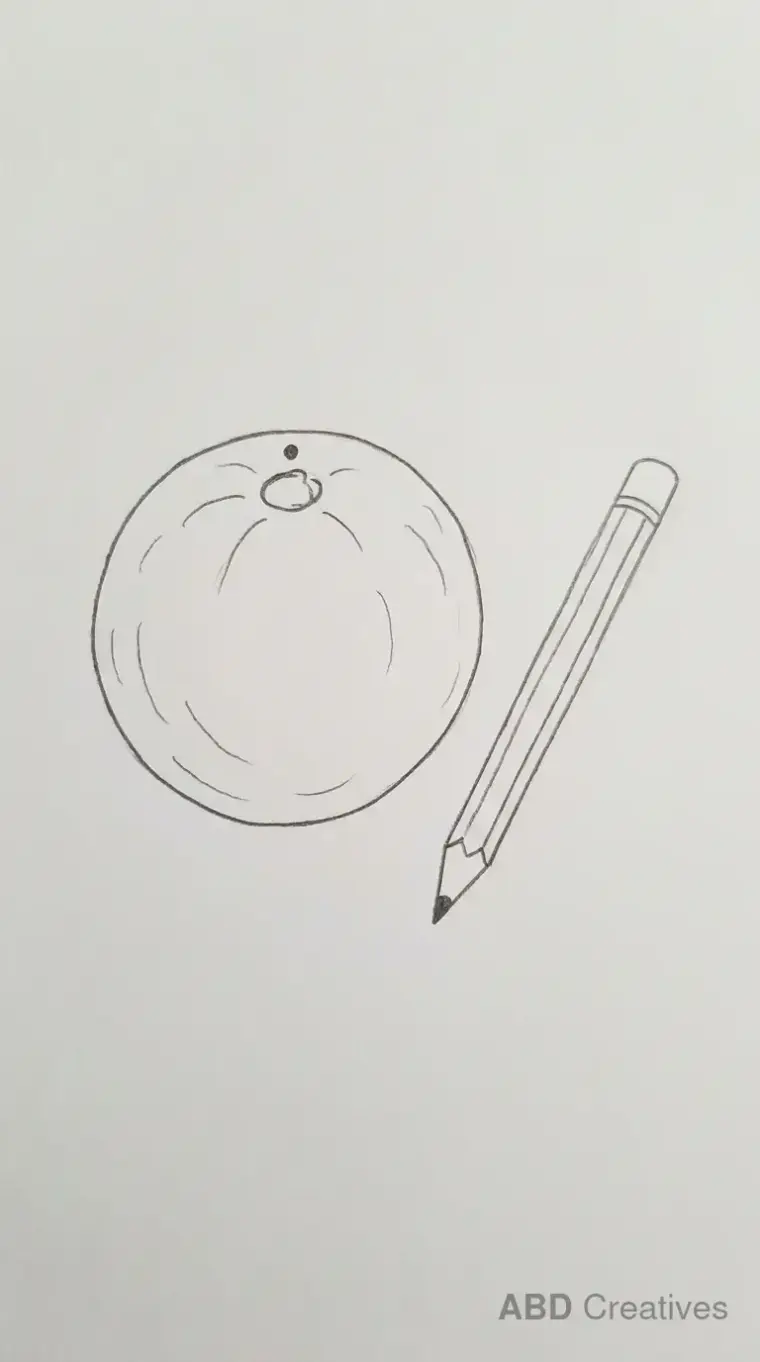
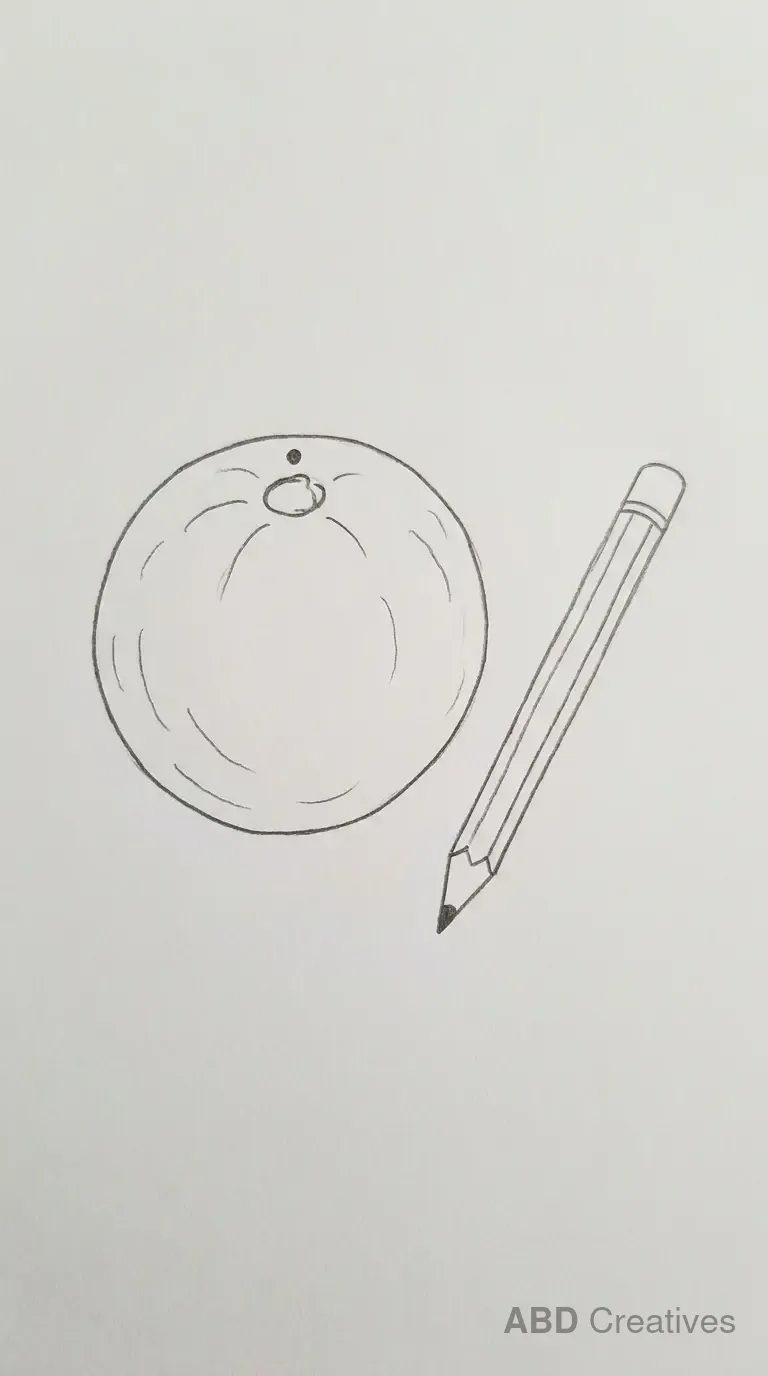
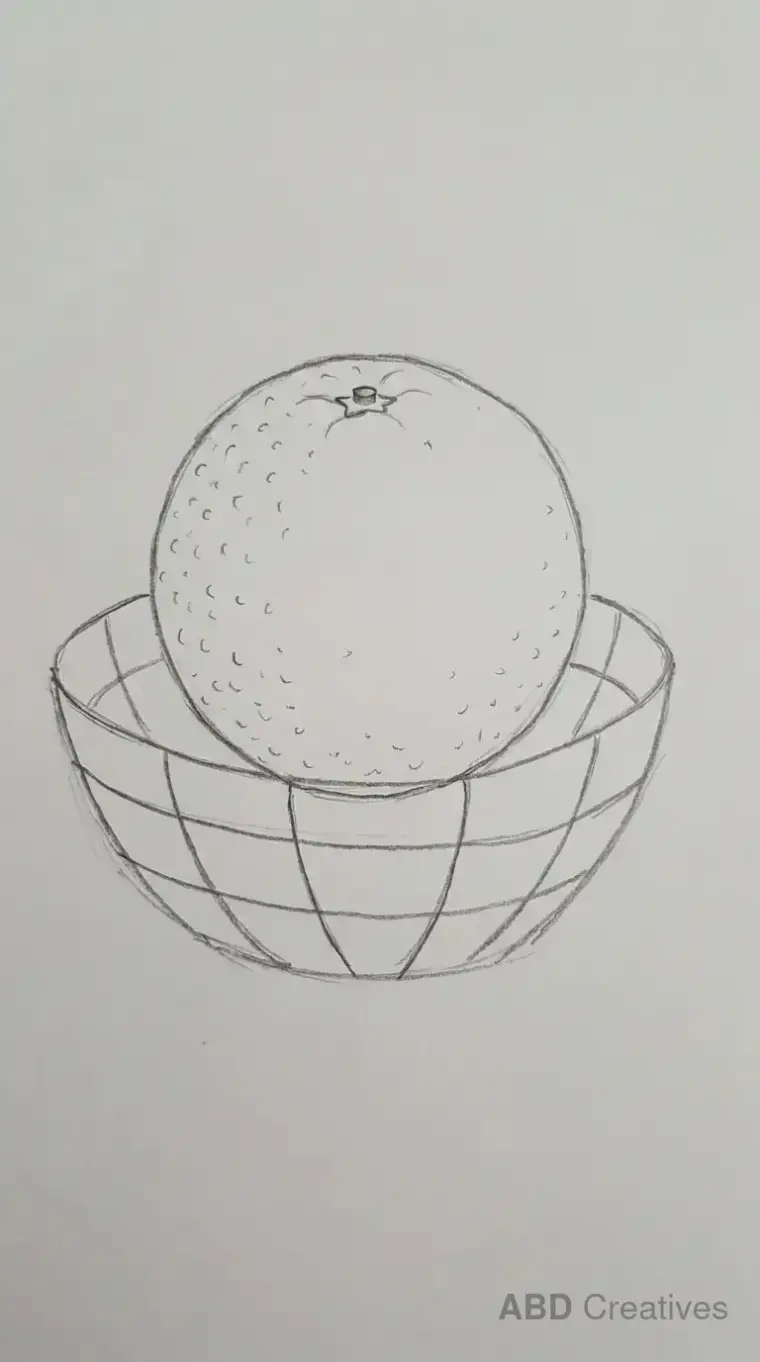
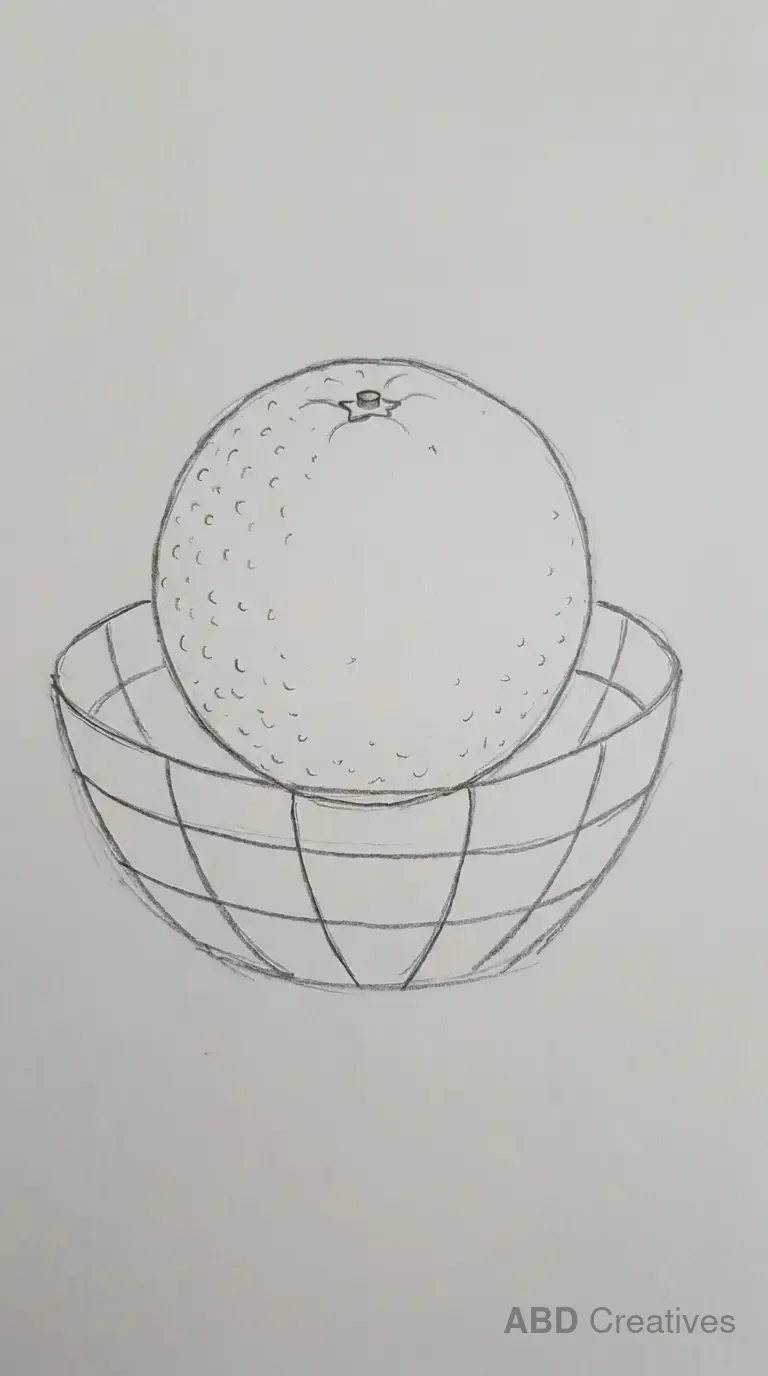
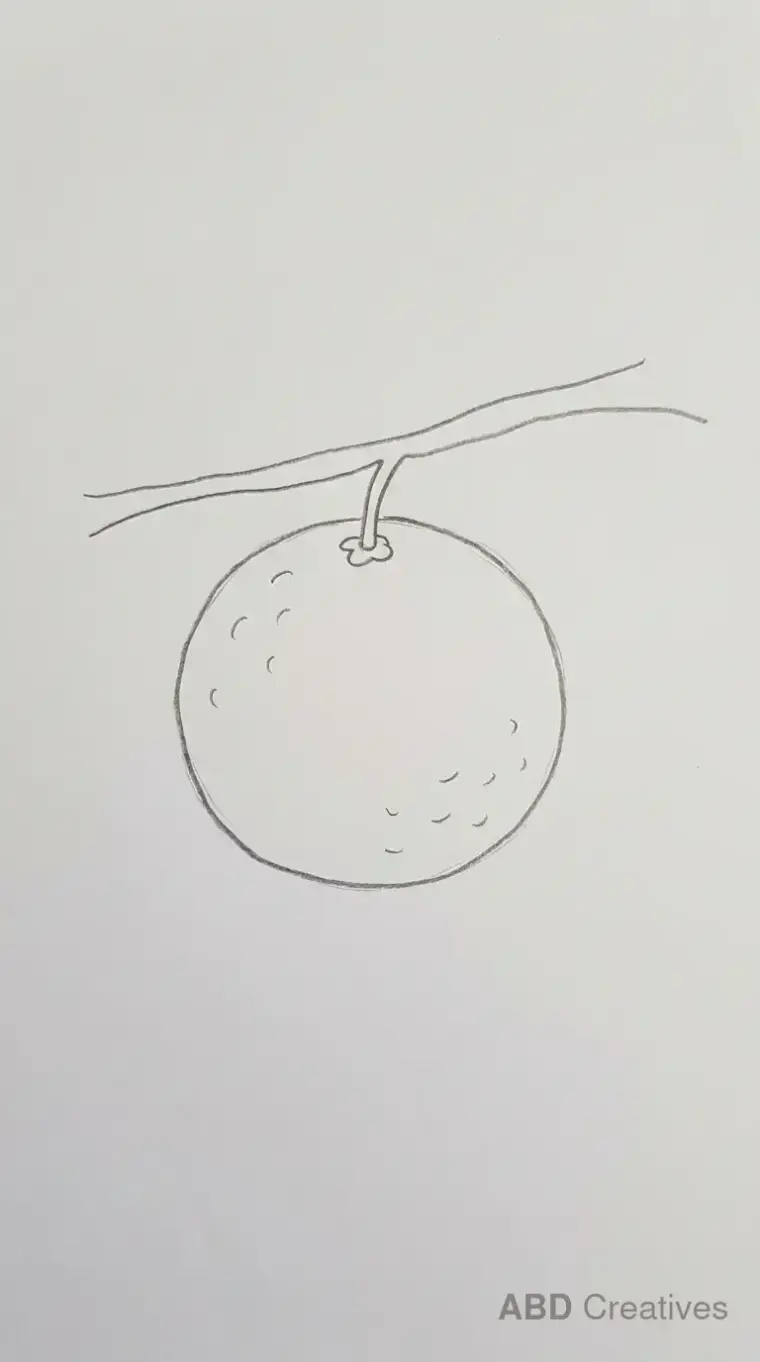
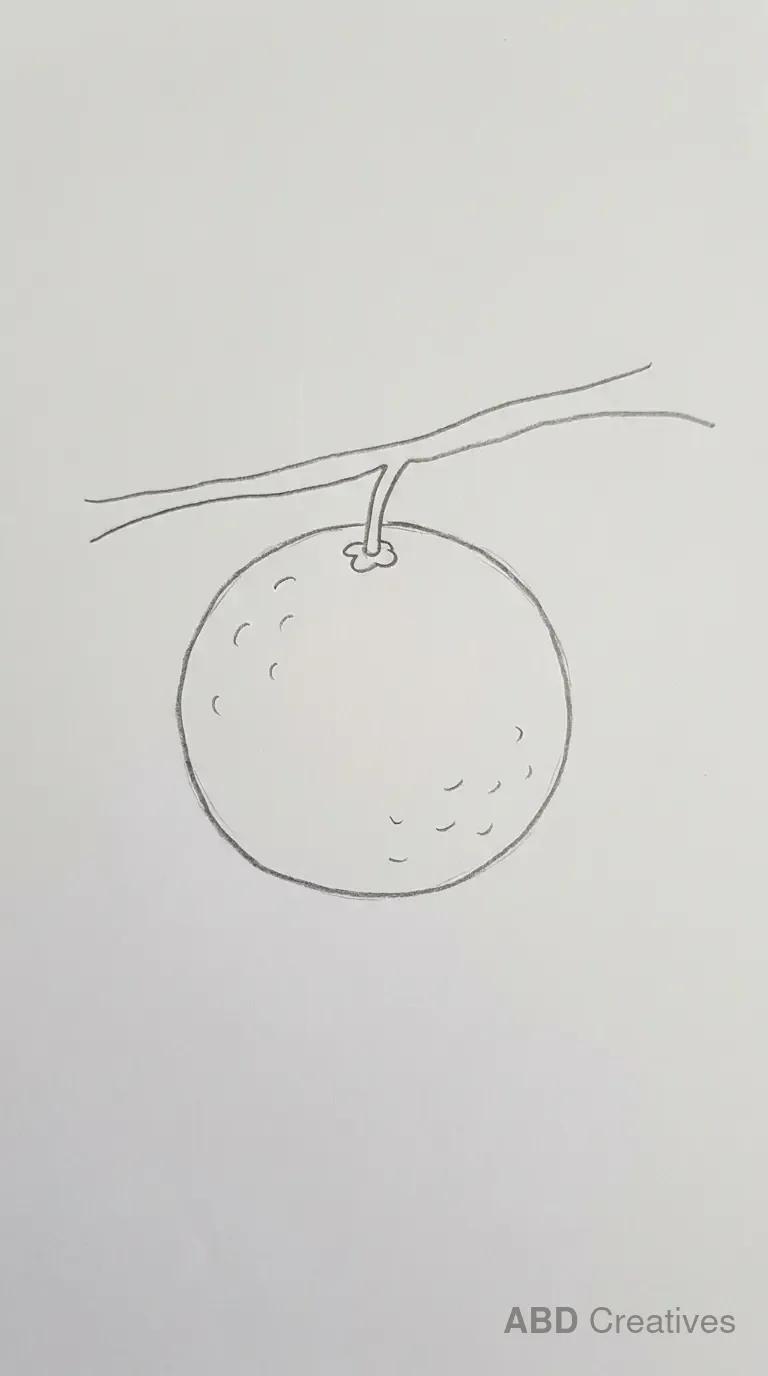
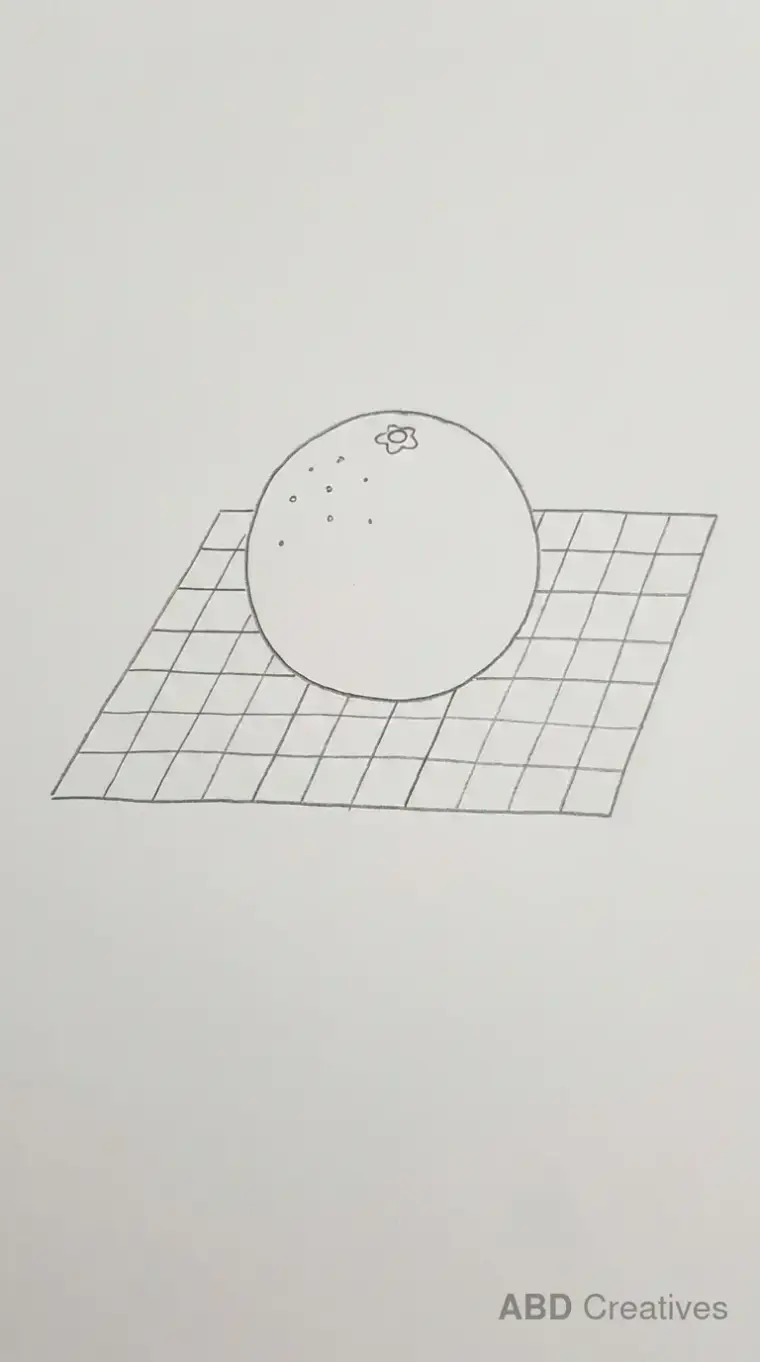
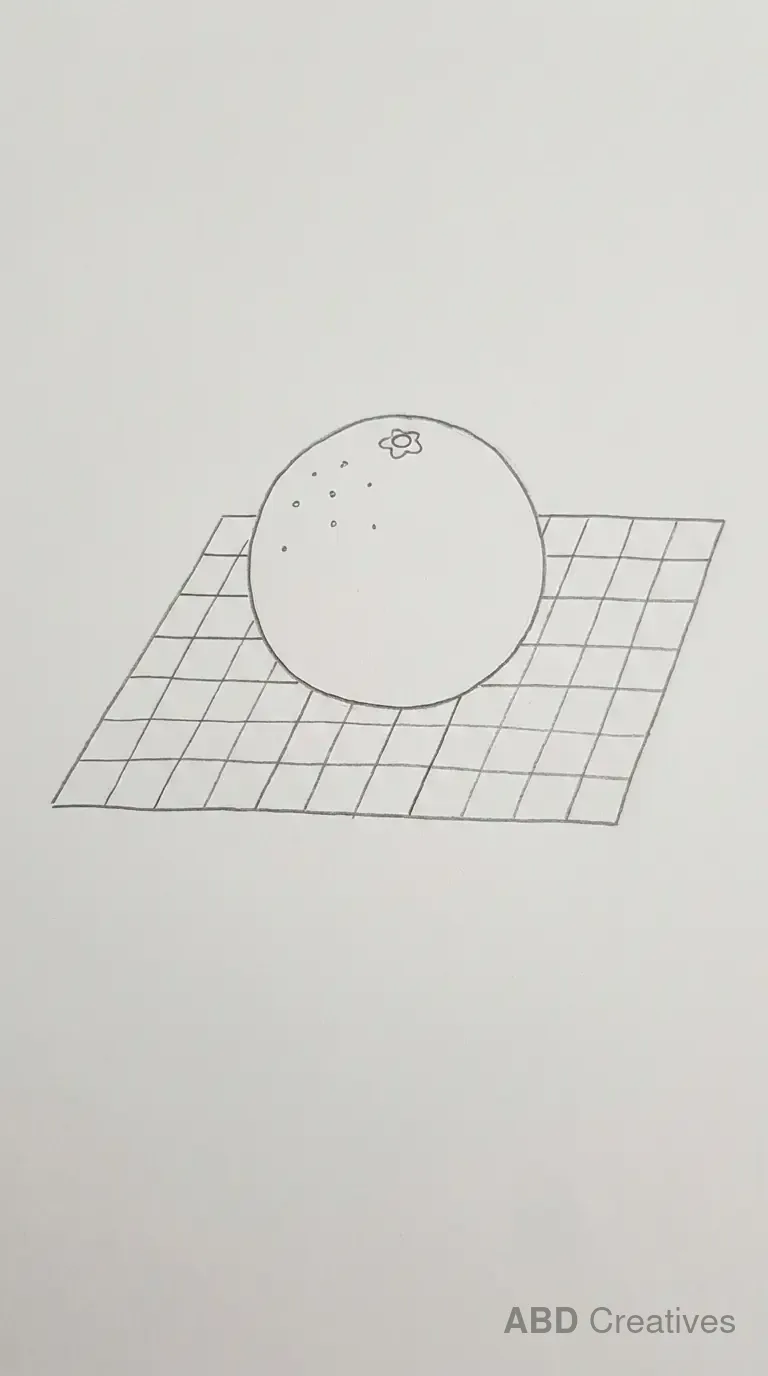
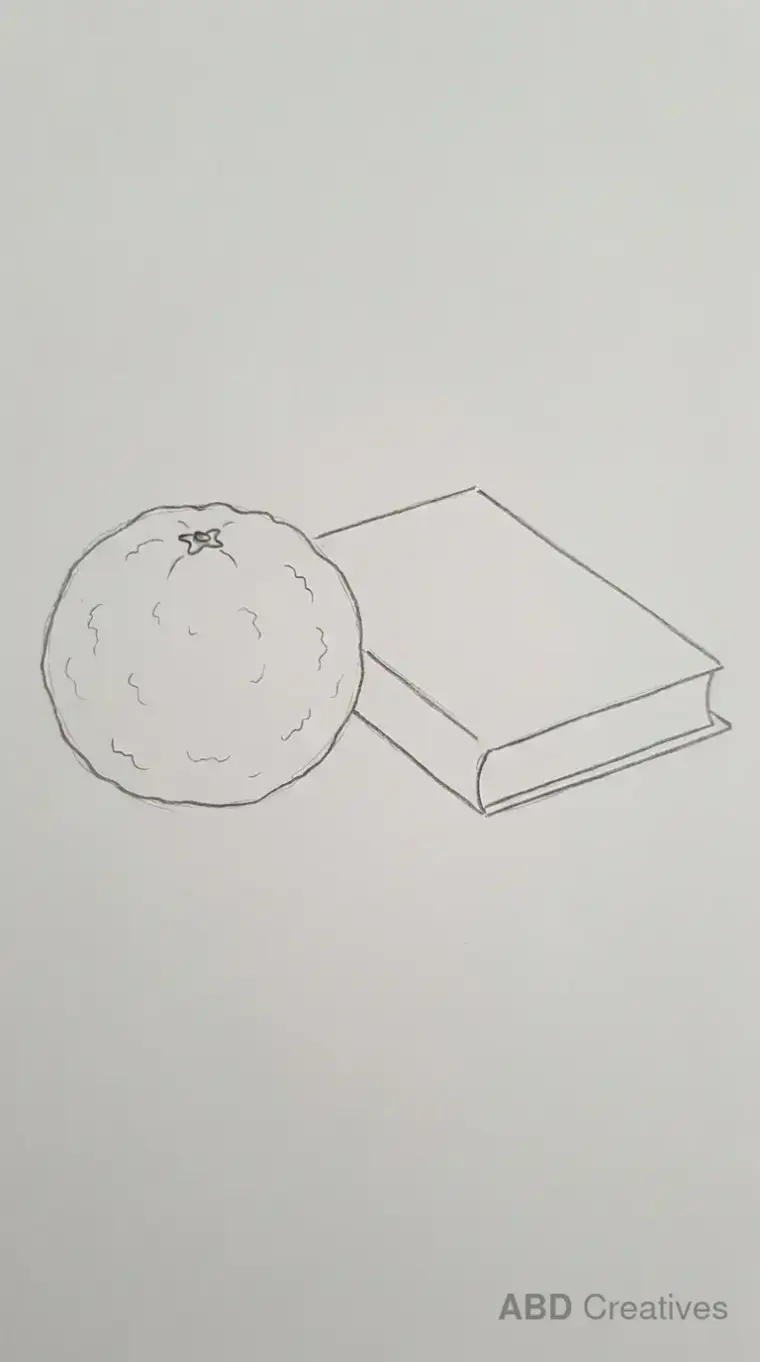
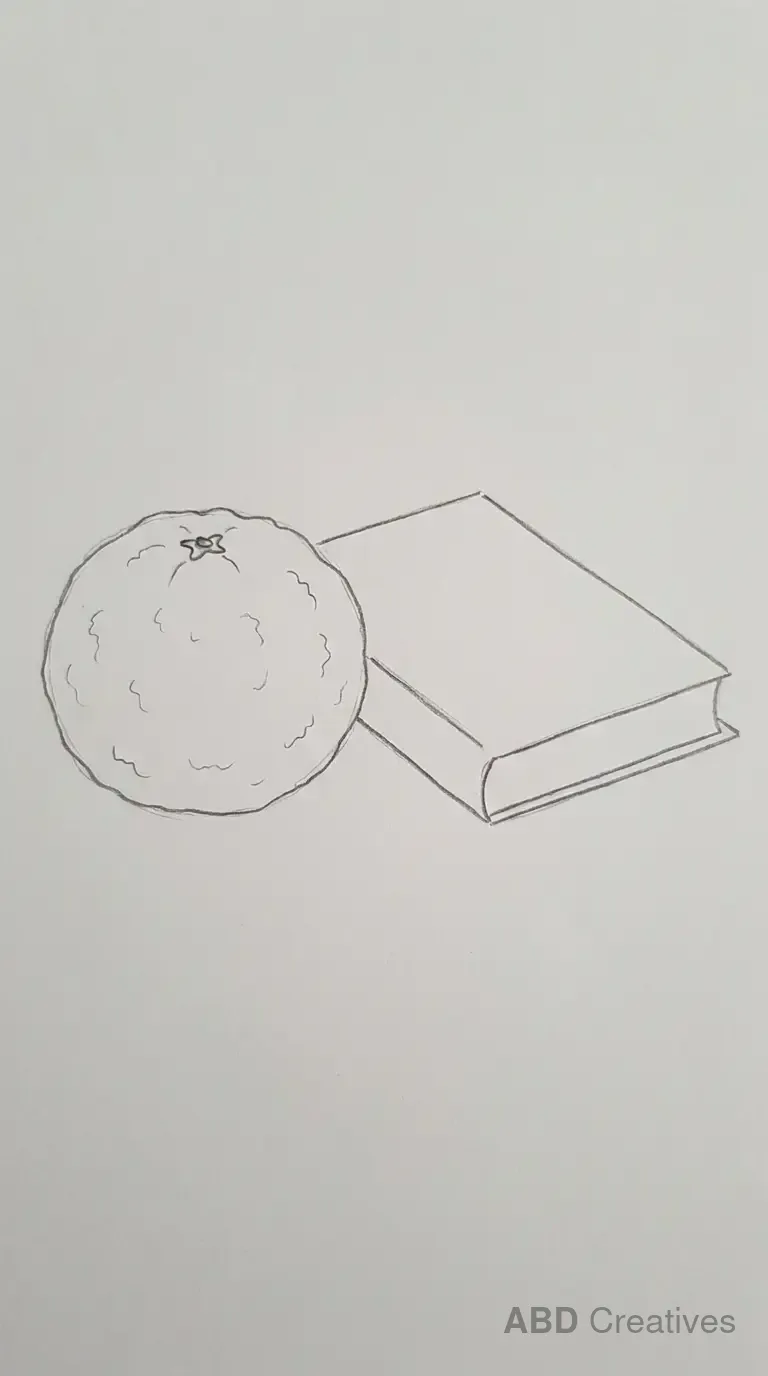
How to draw an orange step by step
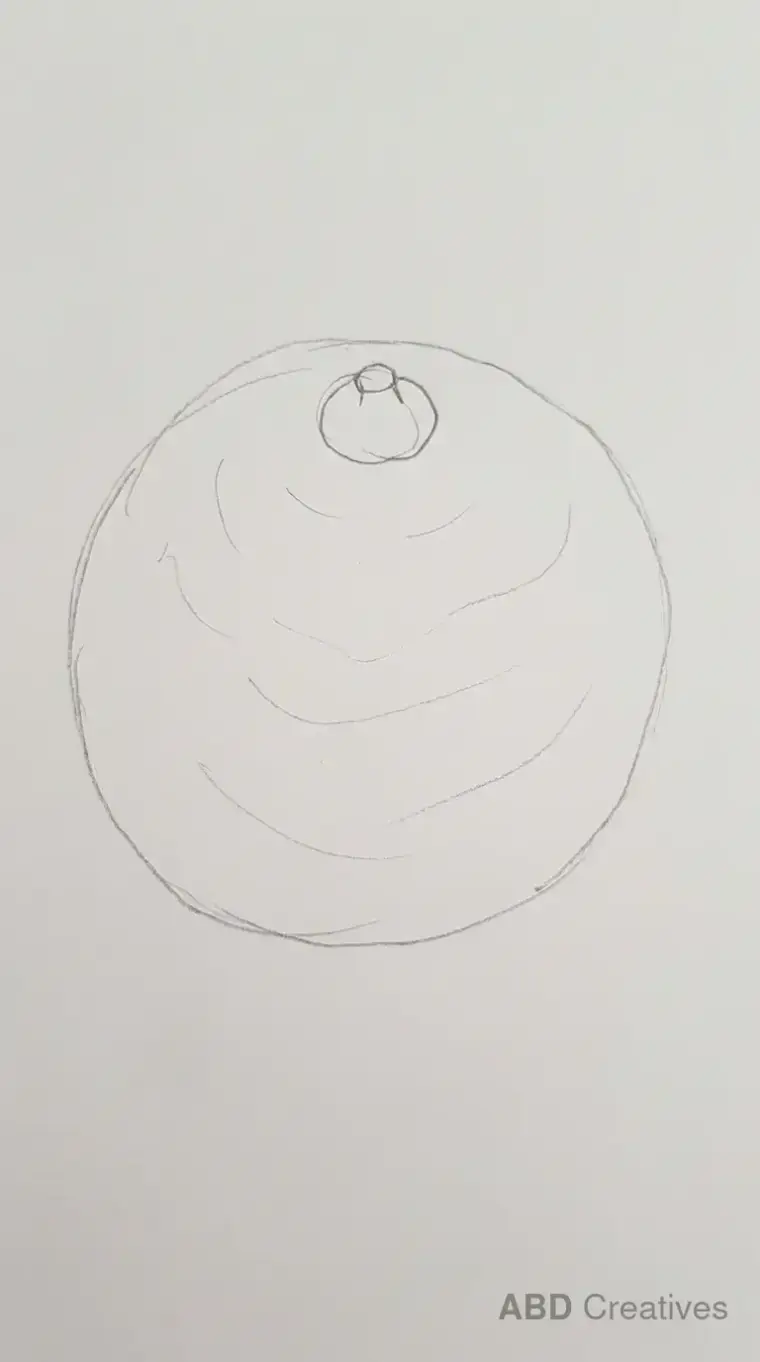
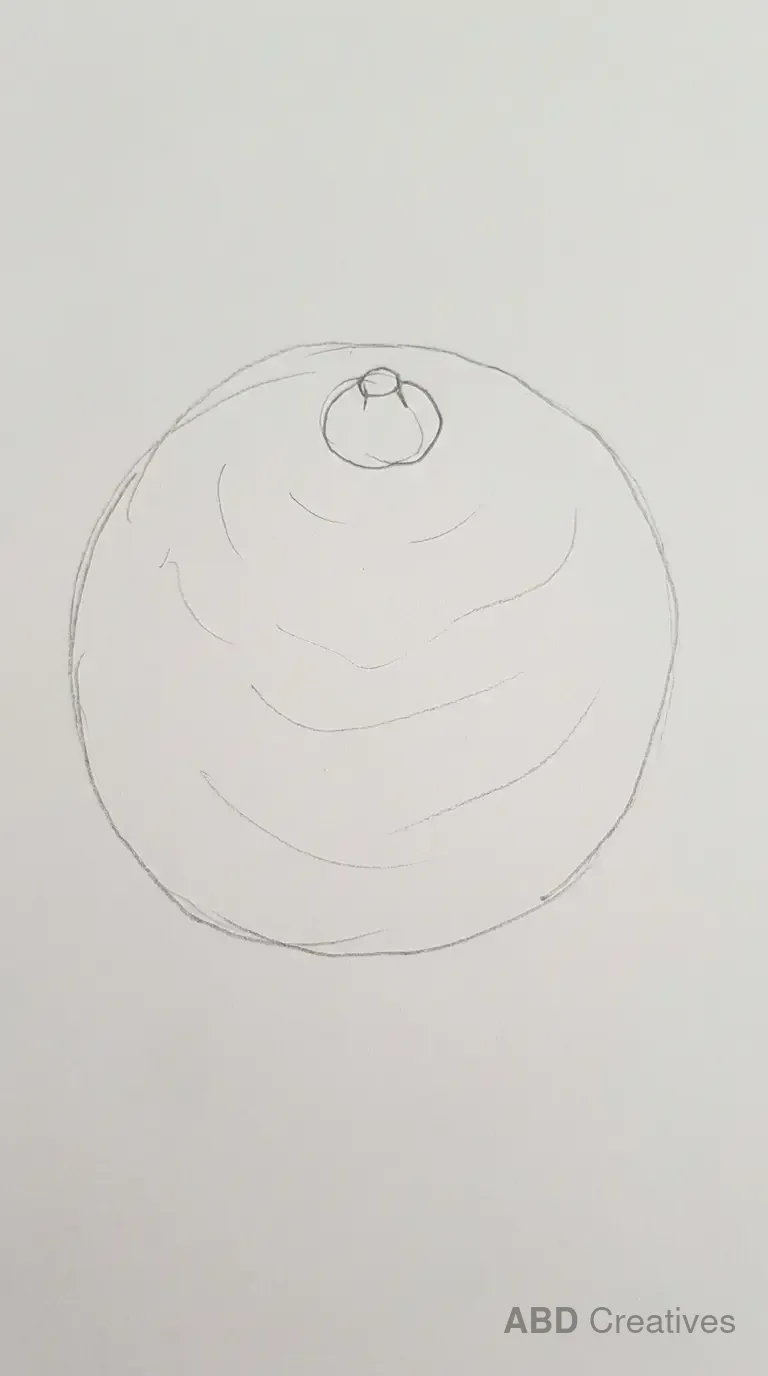
An orange is one of the simplest fruits to draw, because the whole shape is close to a plain circle. The trick is adding a small stem and a slightly textured skin so it does not look like a plain ball.
- Draw a circle for the body. Keep the line light so you can adjust it.
- Add a small dot or short stem at the top, where the orange was attached to the branch.
- Draw a leaf beside the stem if you want one, using two curved lines meeting at a point.
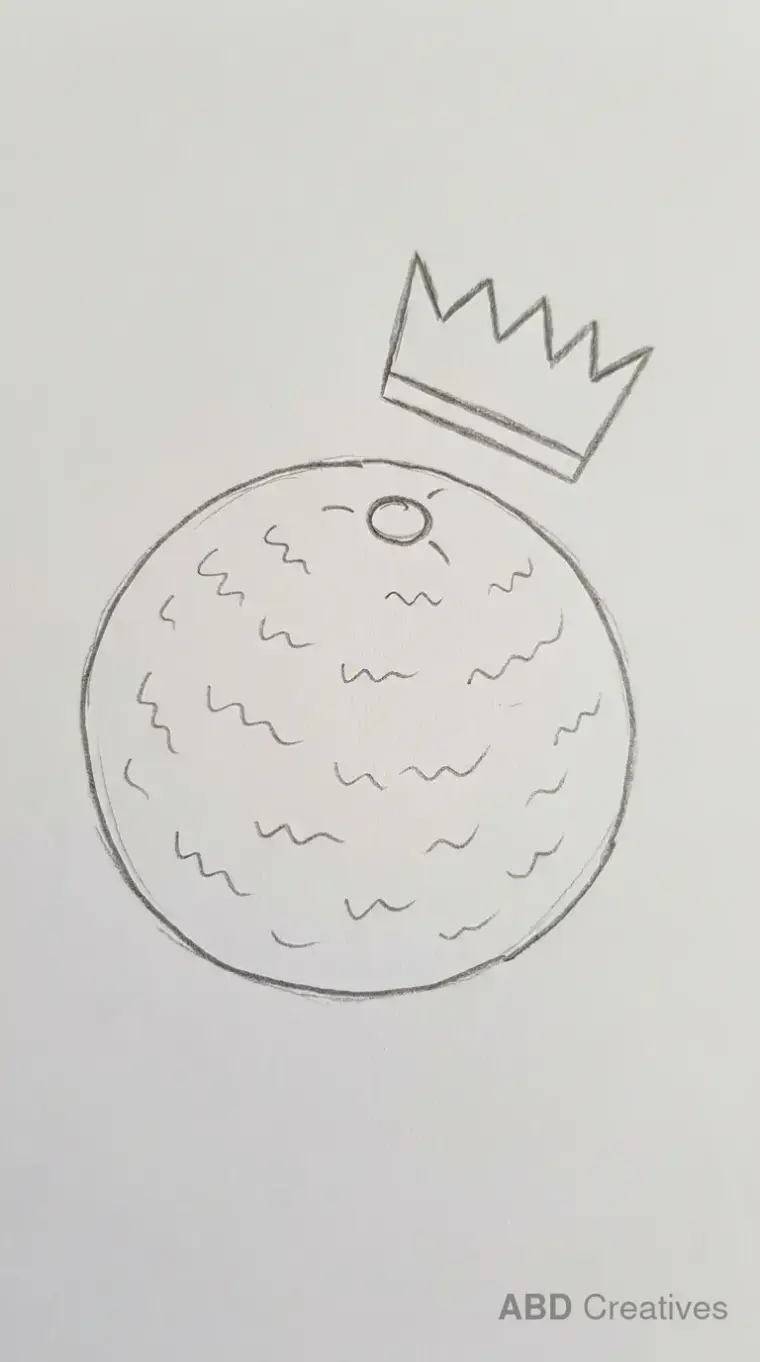
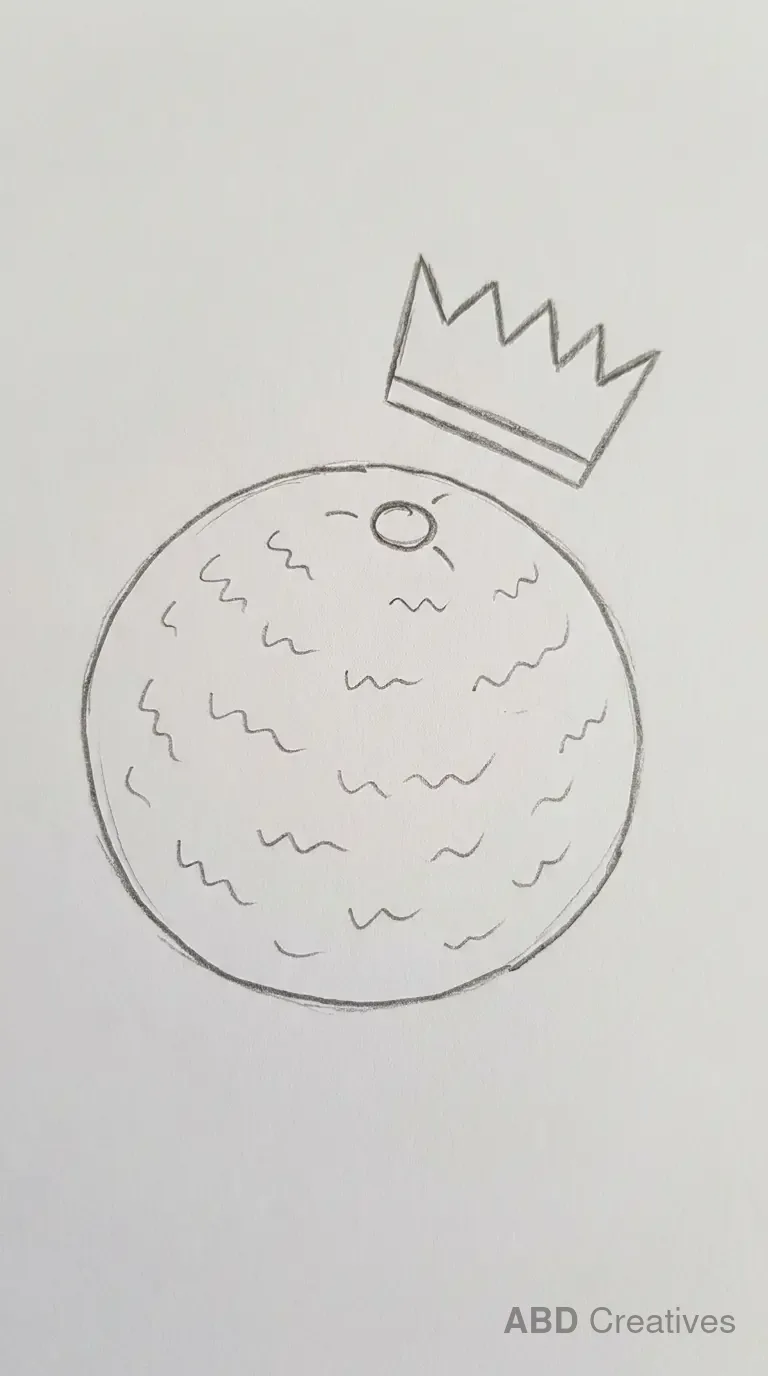
- Add a few small curved dashes across the skin here and there to suggest the dimpled texture of an orange peel.
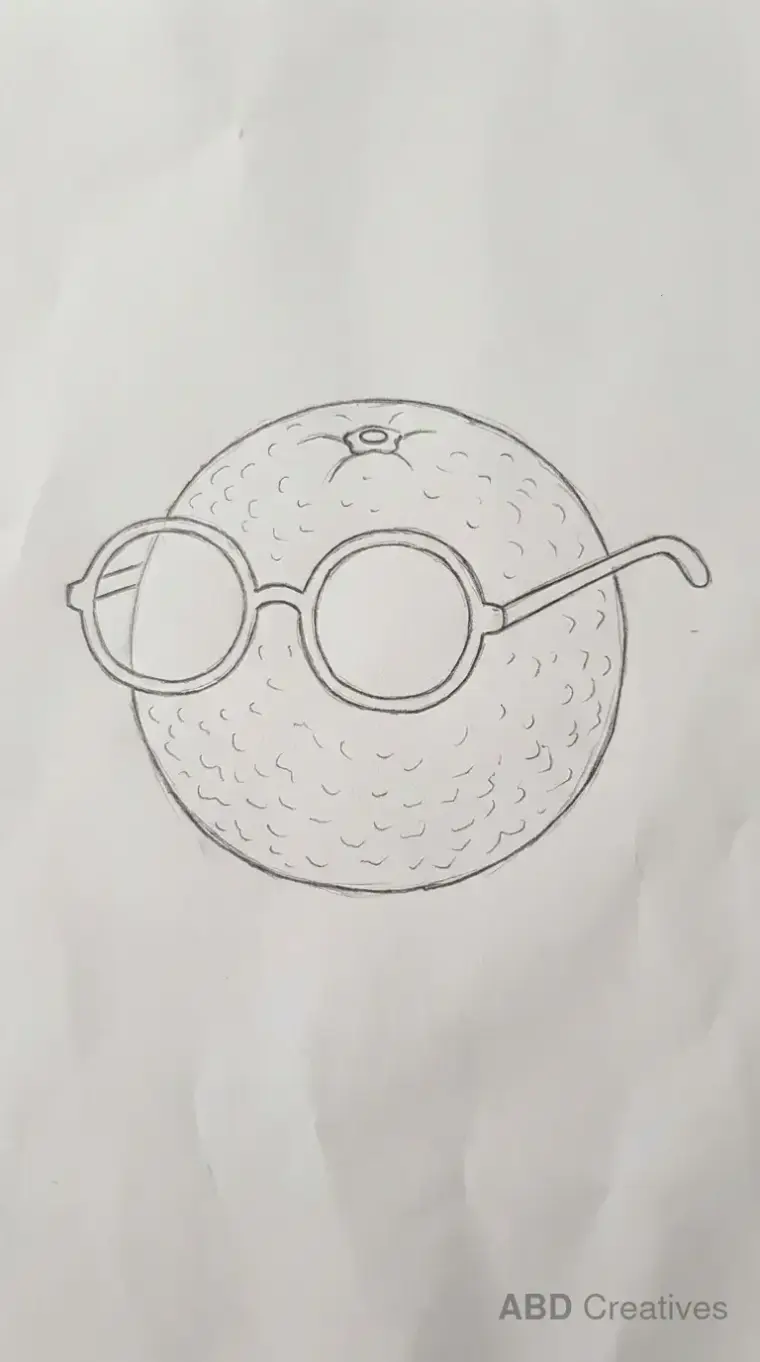
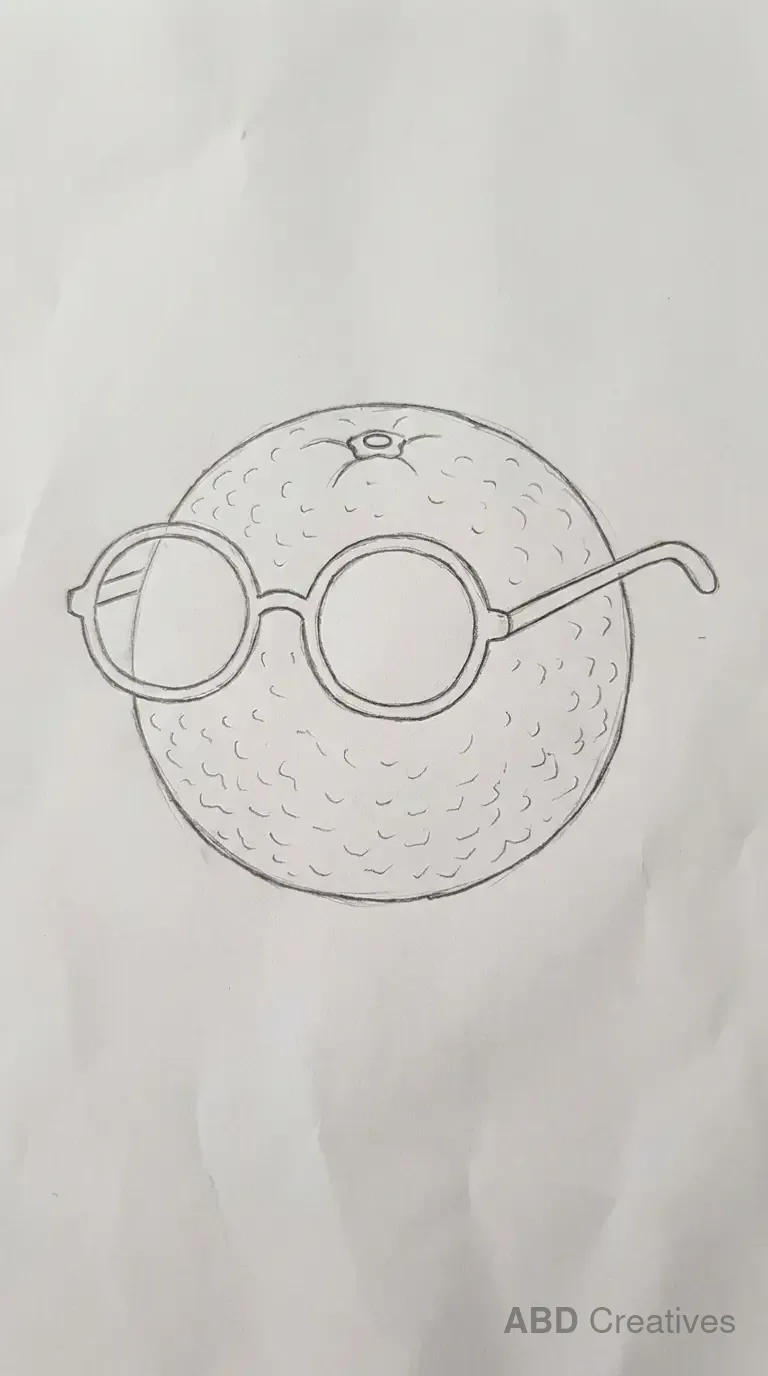
- Add any extras last, like a face, glasses or a small crown.
Darken your final lines at the end and rub out the guide shapes. That last step is what makes a drawing look finished rather than sketched.
Which orange should you start with
If this is your first orange
Start with the simple orange or the orange with a leaf. Both are just one circle with a stem, so you are only thinking about one shape at a time.
If you have drawn fruit before
Try the orange with glasses, the smiling orange or the orange with a small crown. The orange stays simple and you are adding one small character detail, which is a good way to make a drawing feel finished without more difficulty.
If you want a challenge
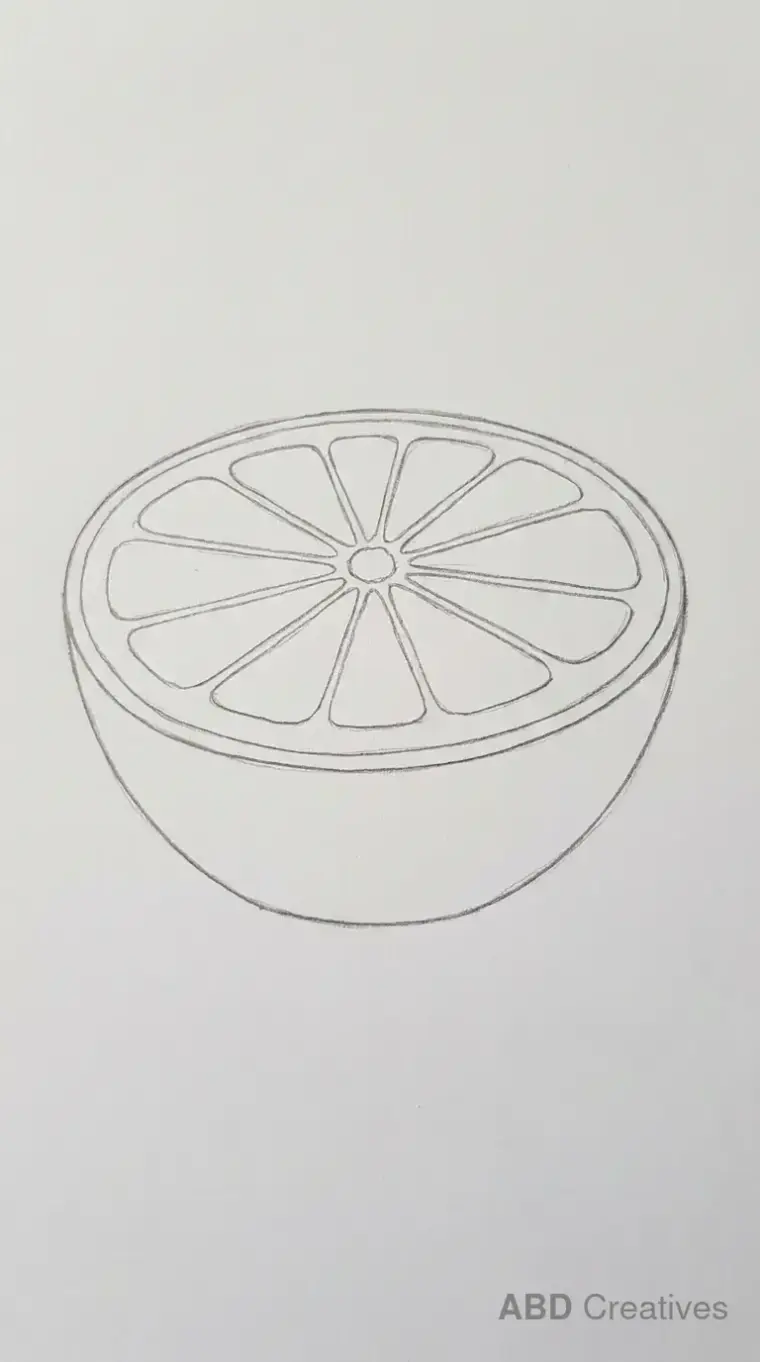
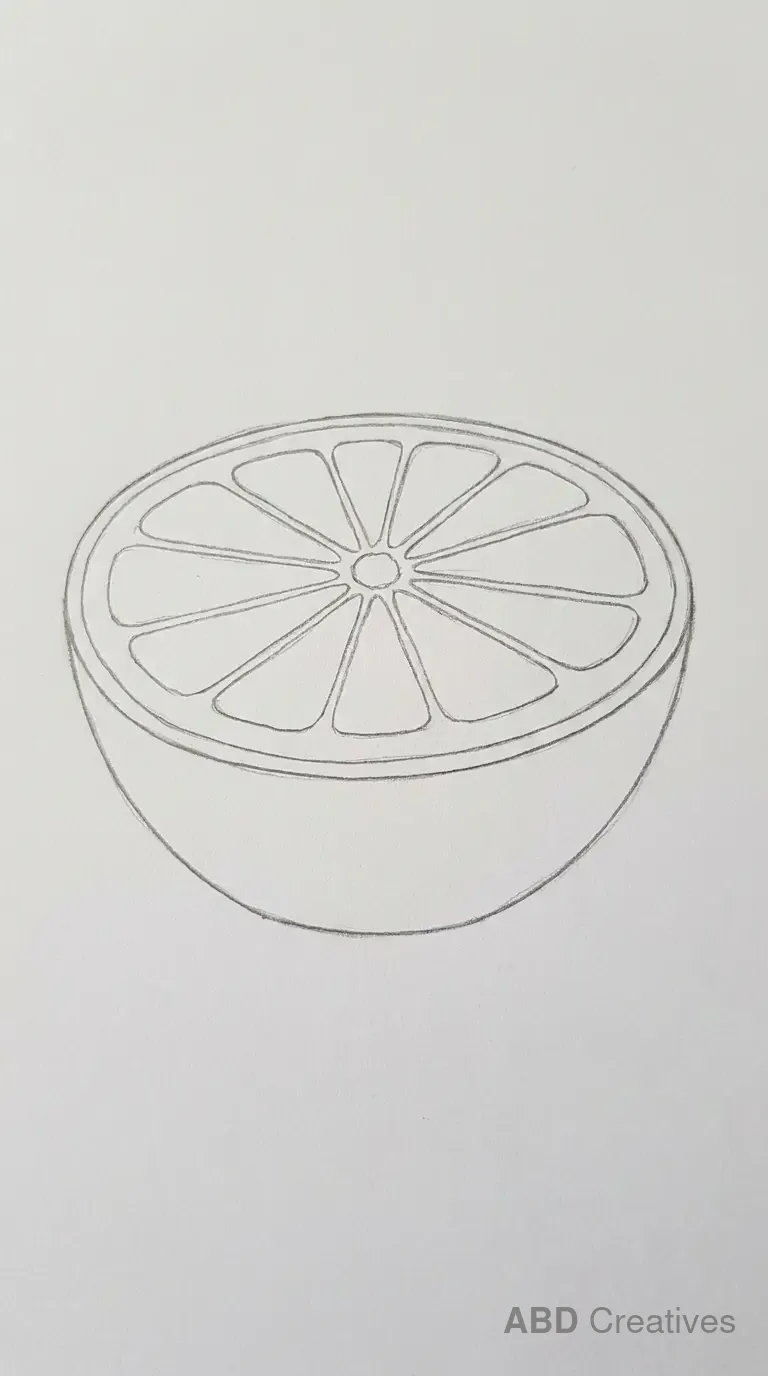
The orange slice and the orange half are the hardest here, because you have to draw the small segments inside. Draw the outer circle first in both, and the segment lines follow from the centre.
What you need
An HB pencil, plain paper and an eraser. A 2B pencil helps if you want darker final lines. Nothing on this page needs a tablet, a light box or special paper, and none of these were drawn with any.
Three things that make an orange look like an orange
- The skin is too smooth. A real orange peel is dimpled, not perfectly smooth. A few short curved dashes across the skin are enough to suggest the texture.
- No stem or leaf. A plain circle with nothing at the top can look like any round fruit. A small stem, or a stem with a leaf, makes it clearly an orange.
- Segments are uneven. When drawing a slice or a half, keep the segment lines meeting roughly in the centre. Segments that miss the centre point look messy rather than fruit like.
Ways to use these drawings
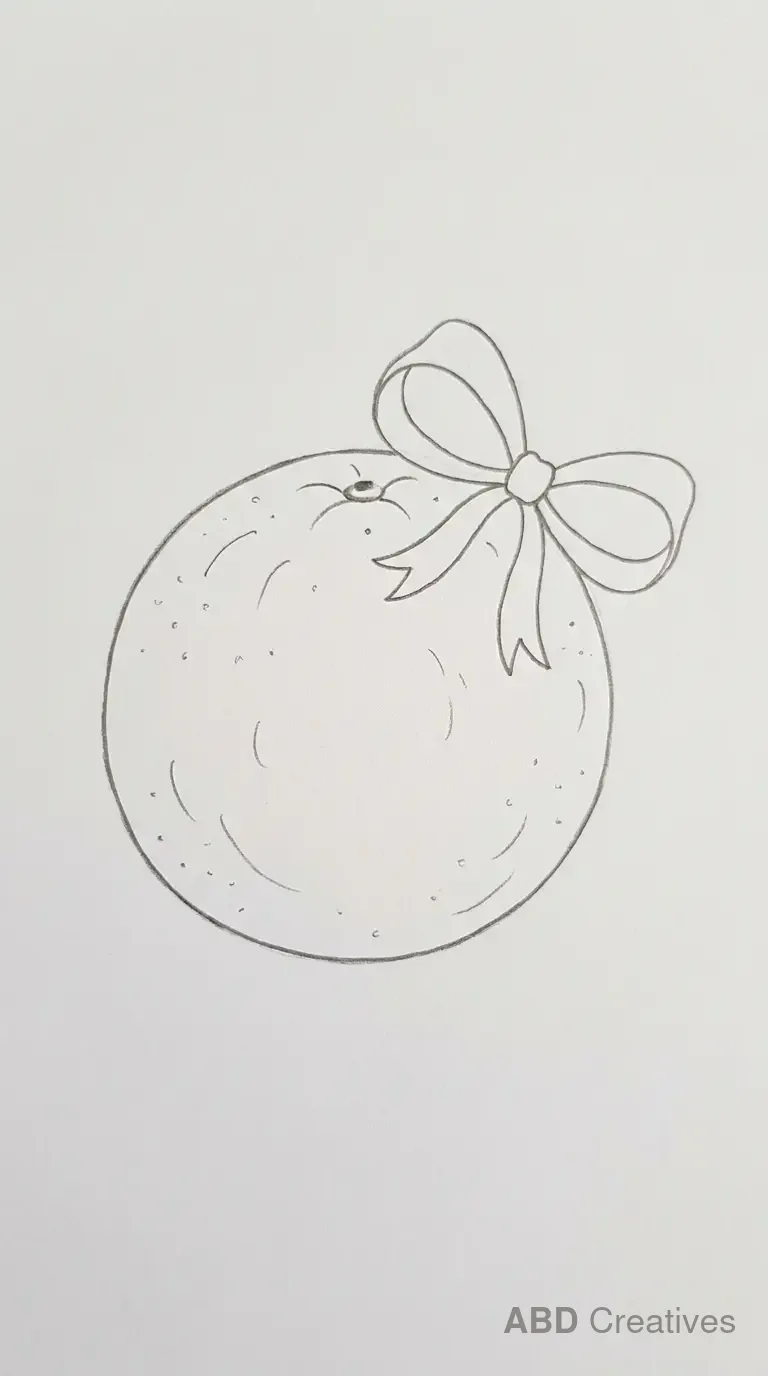
Copy any of these by hand, or download and print them for yourself, for your children or for your classroom. They work as colouring sheets, tracing practice, a warm up before a bigger drawing, or line art for a card. The orange with a heart and the orange with a bow both suit greeting cards. If you want to use one in something you sell, write to us first.
Questions people ask
What is the easiest orange drawing on this page?
The simple orange for beginners. It is one circle with a small stem and no extra details, and the orange with a leaf is just as quick.
Are these orange drawings free to download?
Yes. Every drawing here can be downloaded and printed for personal use, school use or classroom use at no cost. For commercial use, please contact us first.
Can young children draw these?
Most of them. The simple orange, the smiling orange, the orange with a face and the orange with a heart all suit children around five and up. The orange slice and the orange half suit older children and adults.
Why does my orange look like a ball?
Almost always the missing details. A plain smooth circle with no stem or texture can look like any round object. Add a small stem and a few short dashes for the peel texture.
How do I draw an orange slice?
Draw the outer circle first, then a thinner ring just inside it for the rind. Add several lines meeting near the centre to create the small segments.
How do I make my orange look less flat?
Add a few short curved dashes across the skin to suggest the dimpled peel texture, and make sure the stem sits slightly above the main circle rather than flush against it.
What pencil should I use?
An HB for the light guide shapes and a 2B for the final lines. If you only have one pencil, an HB is fine. Press lightly at the start so the guides rub out cleanly.
Are these drawings made by hand?
Yes. Each one was drawn in pencil on plain paper and photographed. They are not computer generated or traced from photographs.