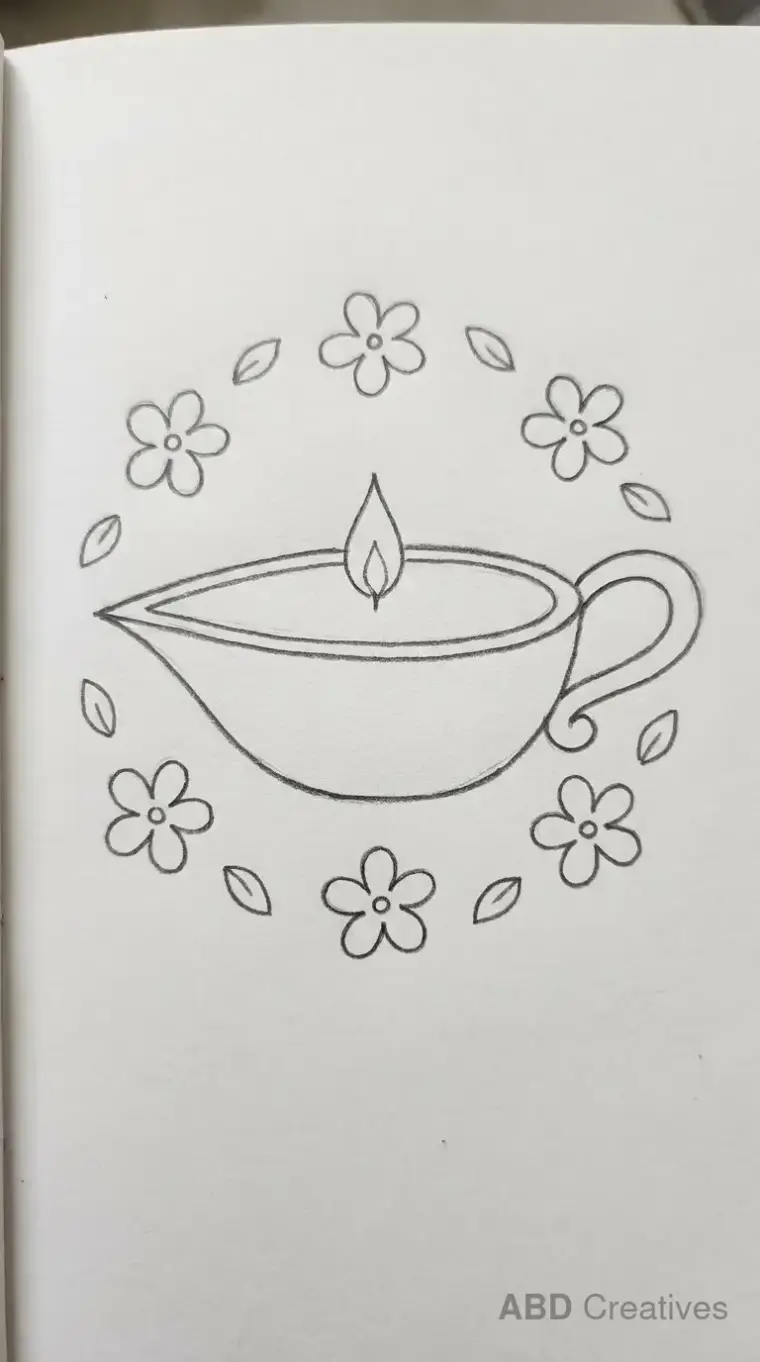
Mogra Drawing Ideas
Fifteen mogra drawings you can copy straight onto paper, from a single bloom to a gajra, a garland and a mandala. Every one is a clean pencil outline drawn by hand, with no shading and no colour. Pick one, keep it next to you, and copy it line by line.
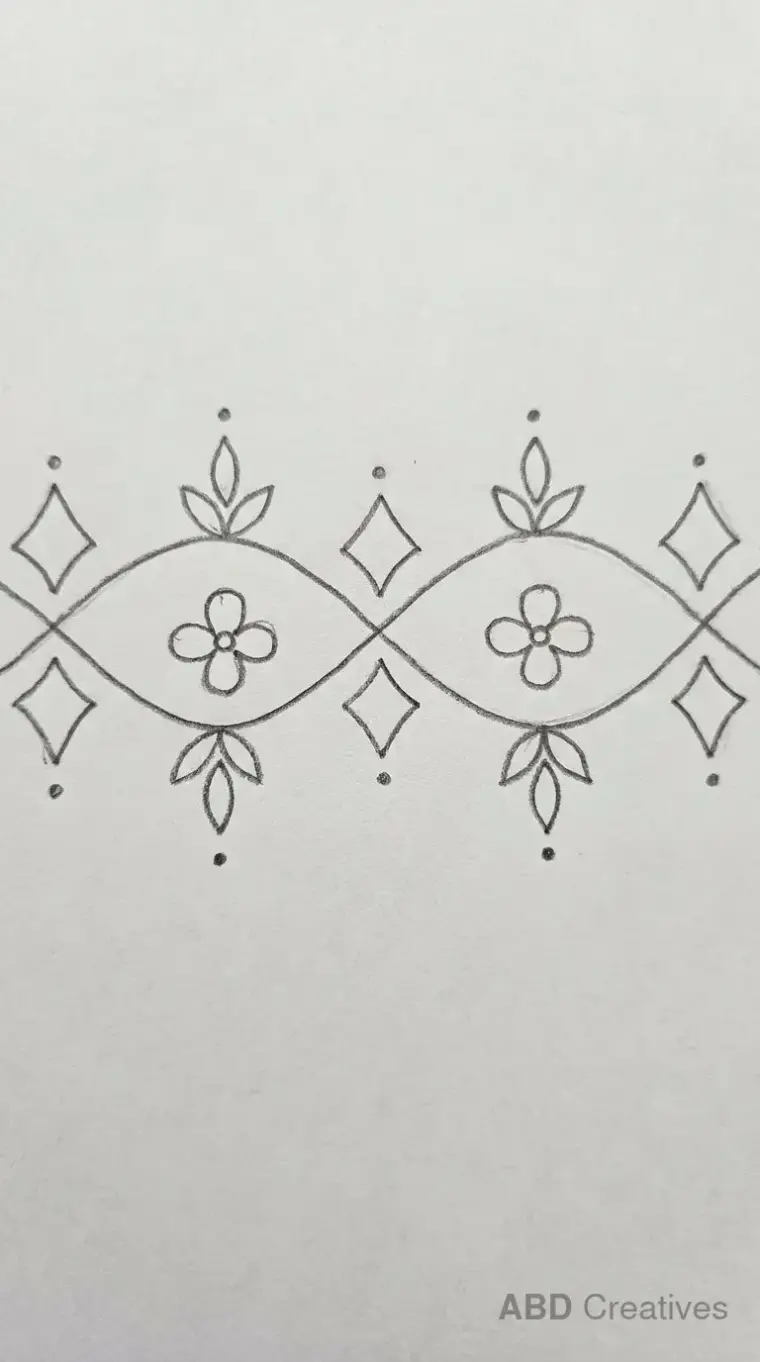
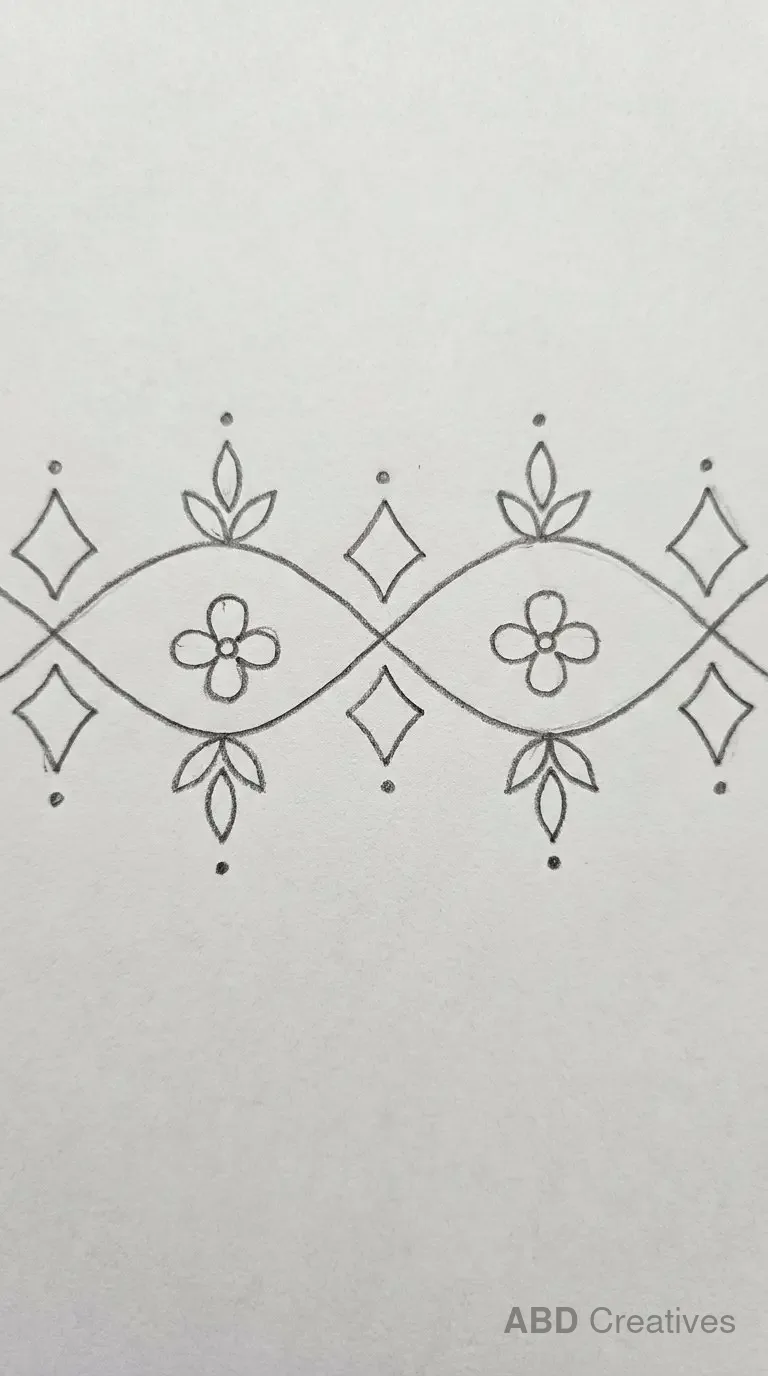
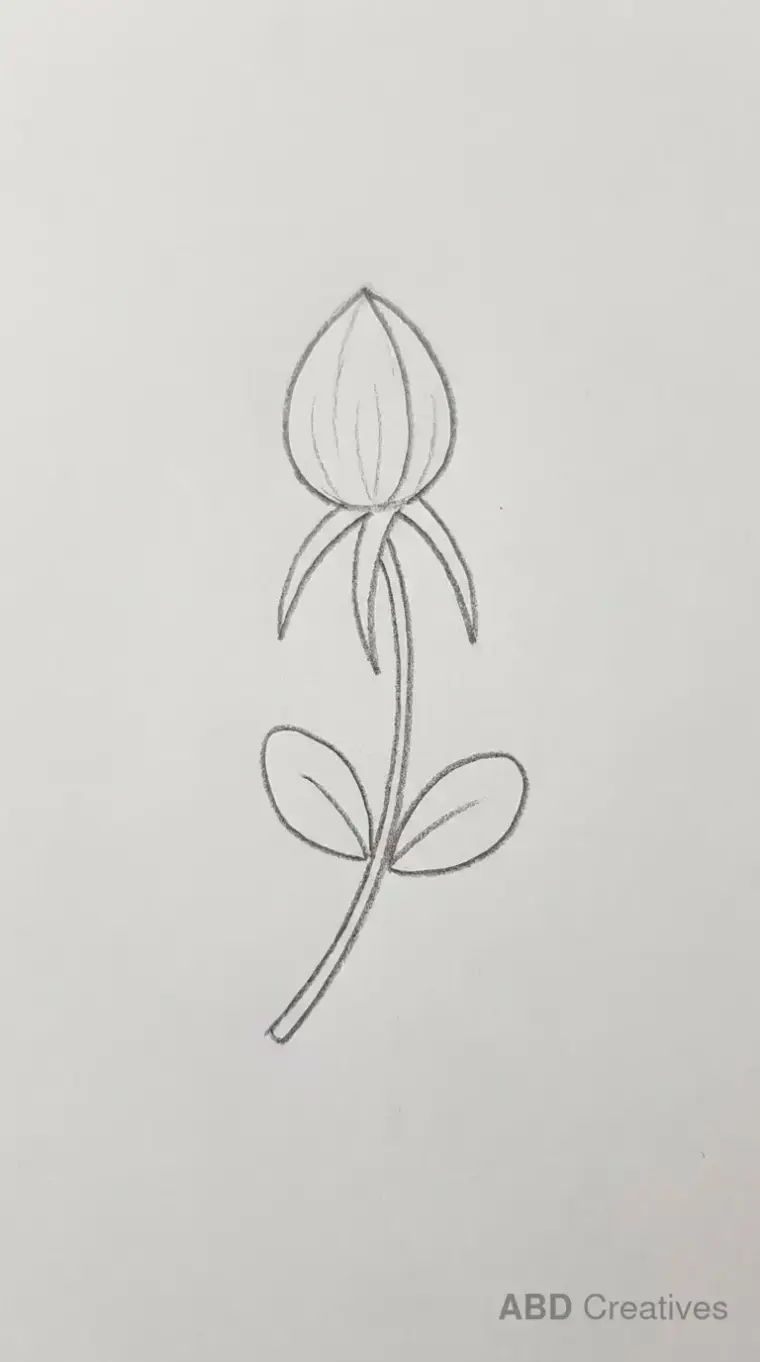
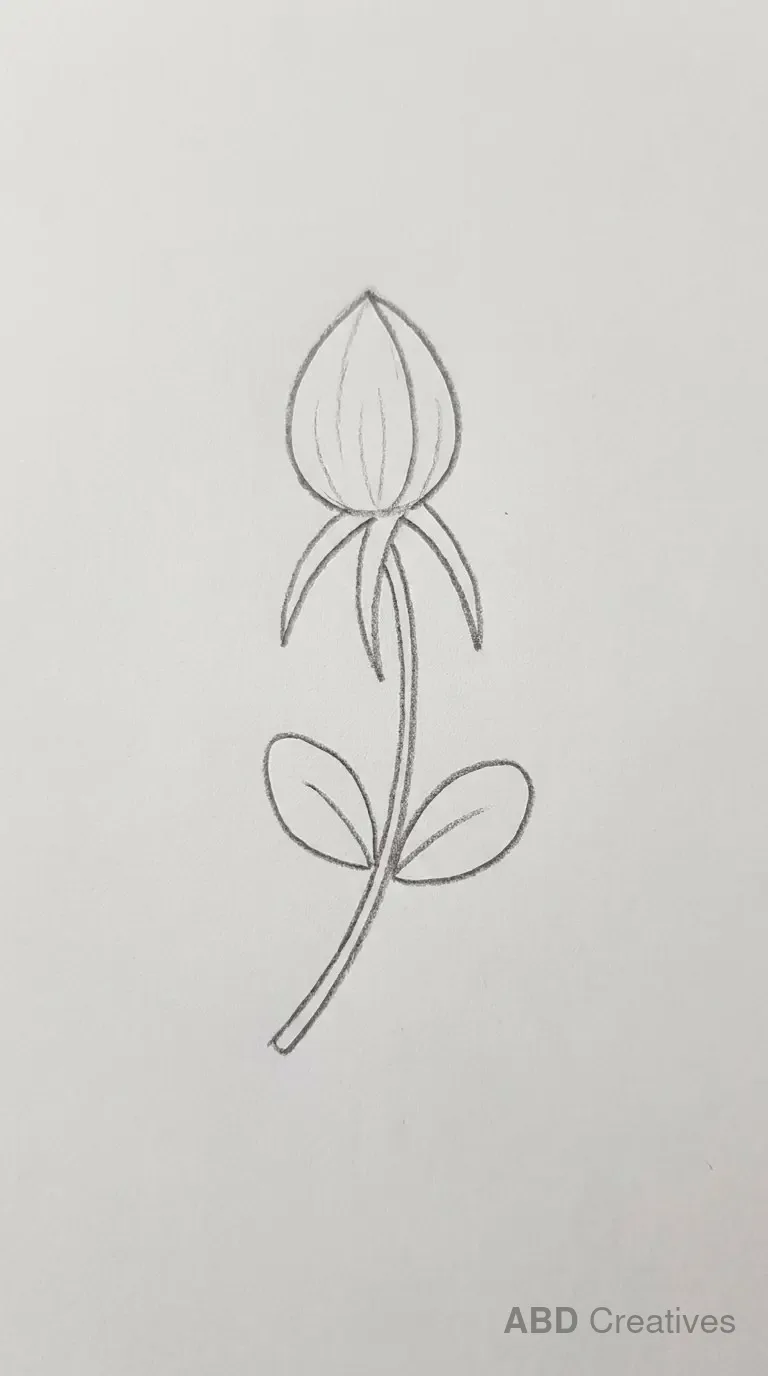
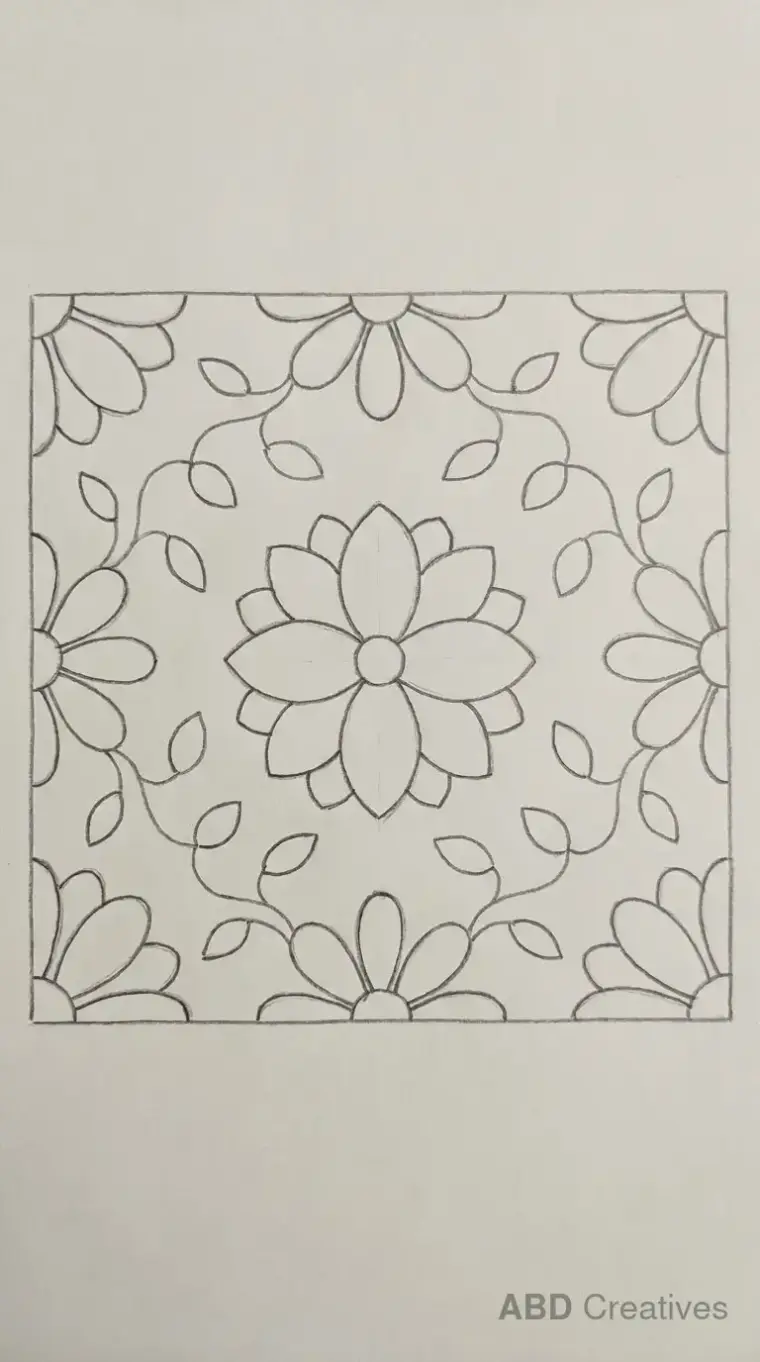
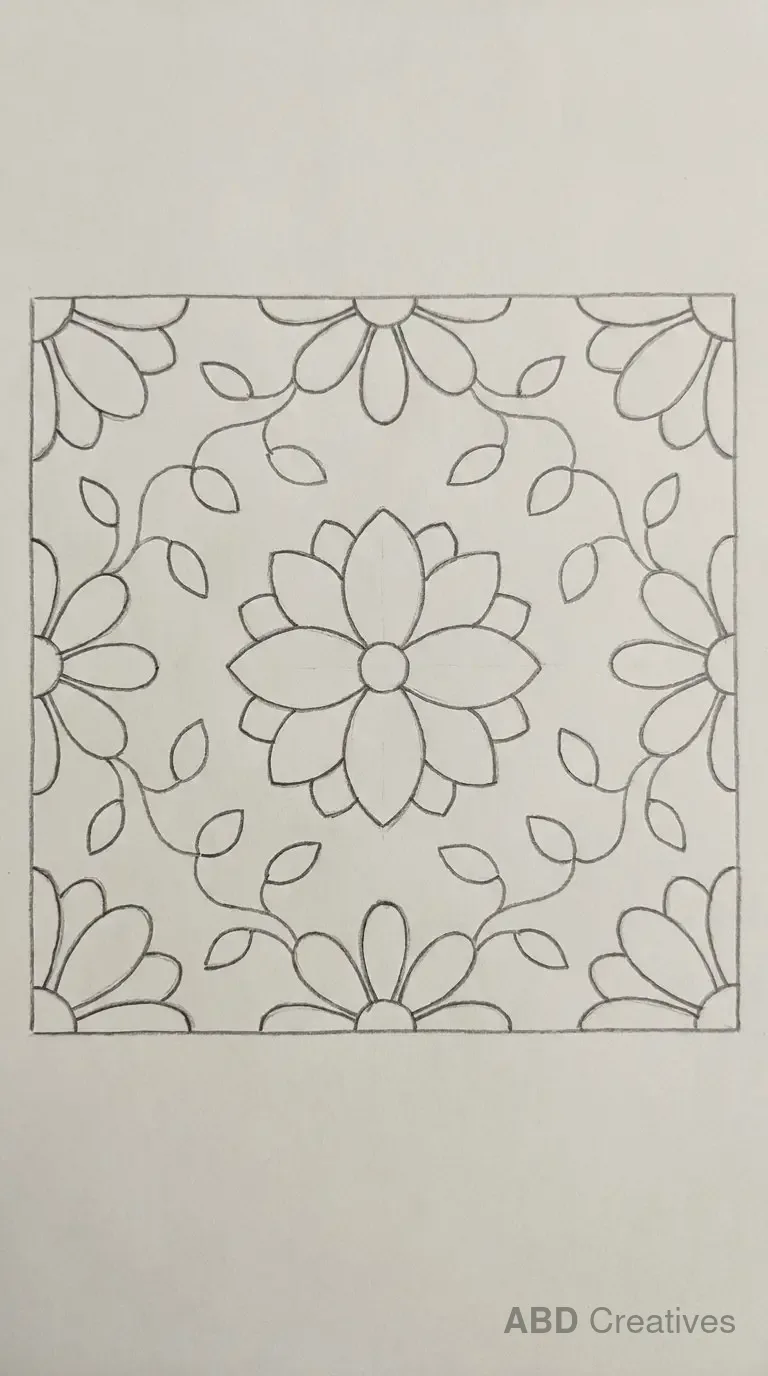
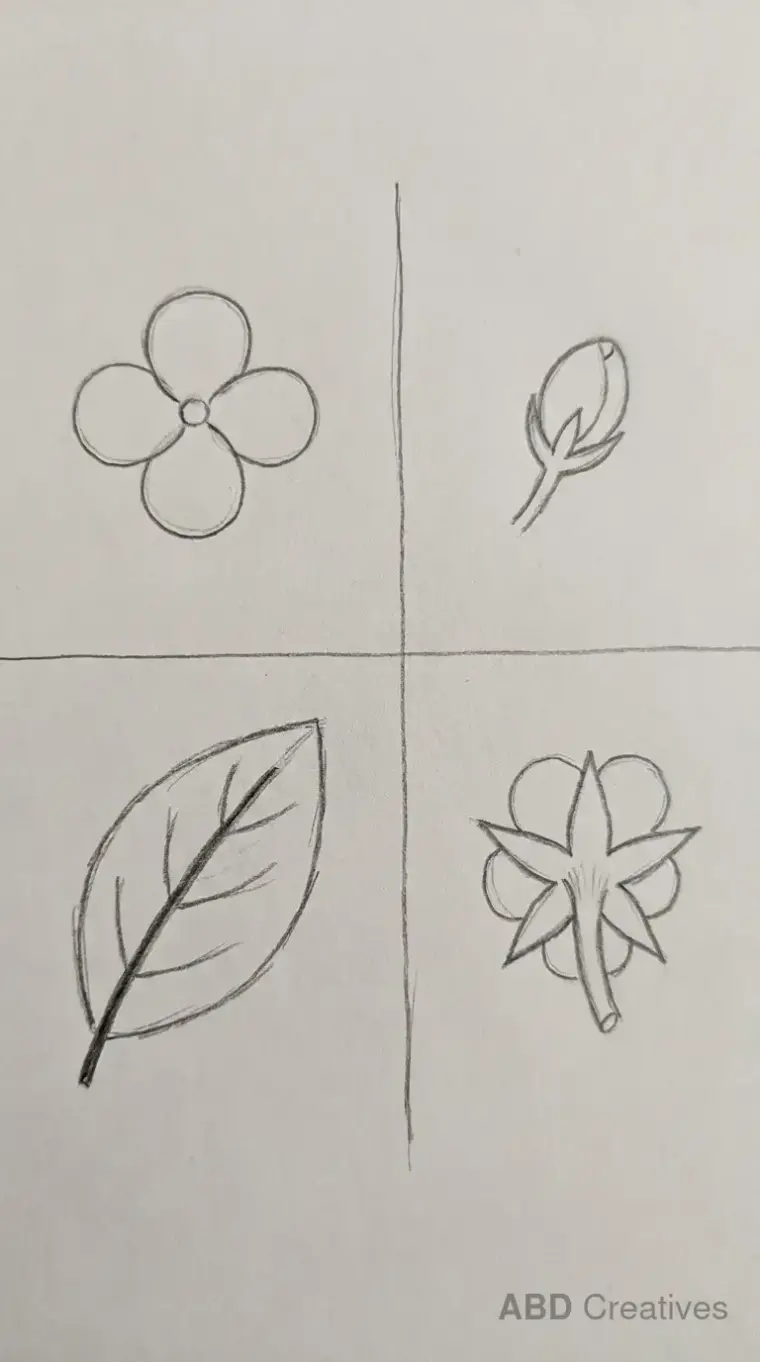
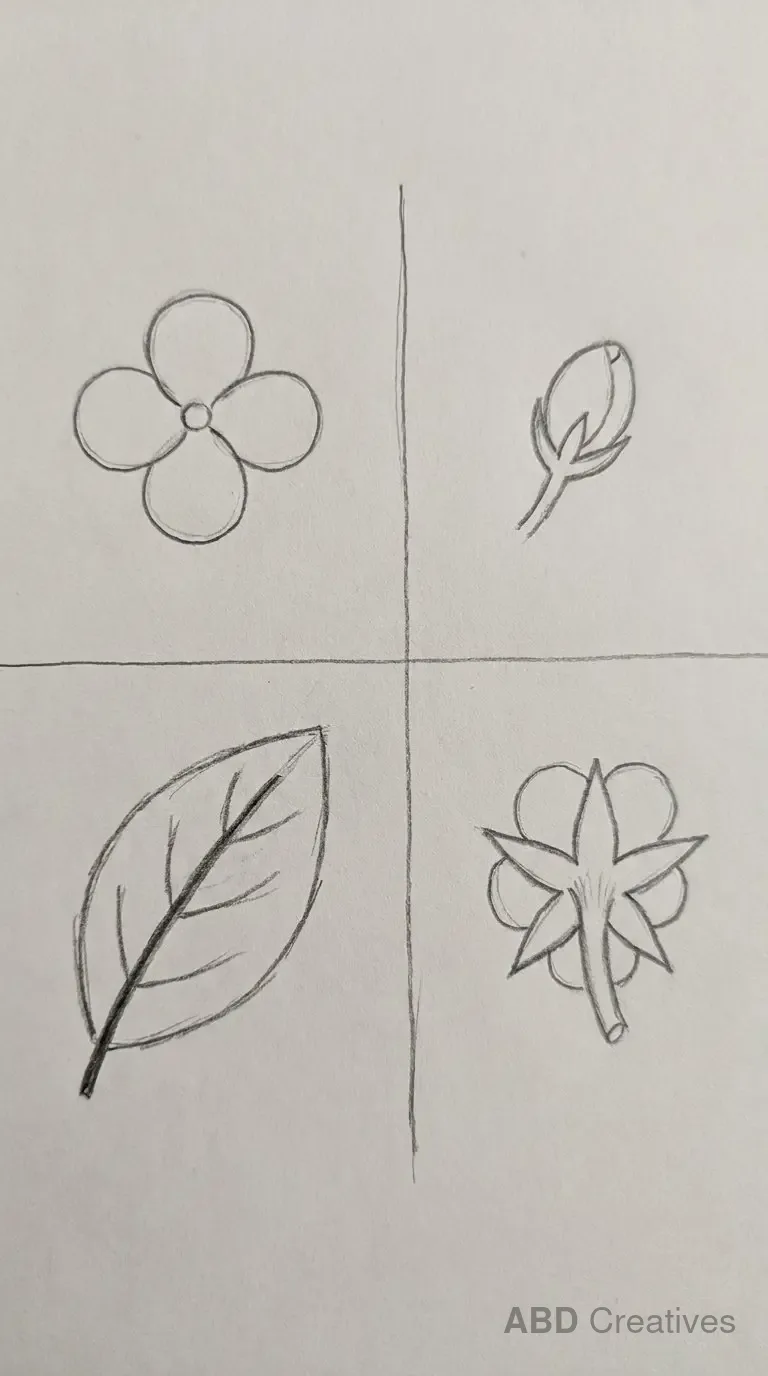
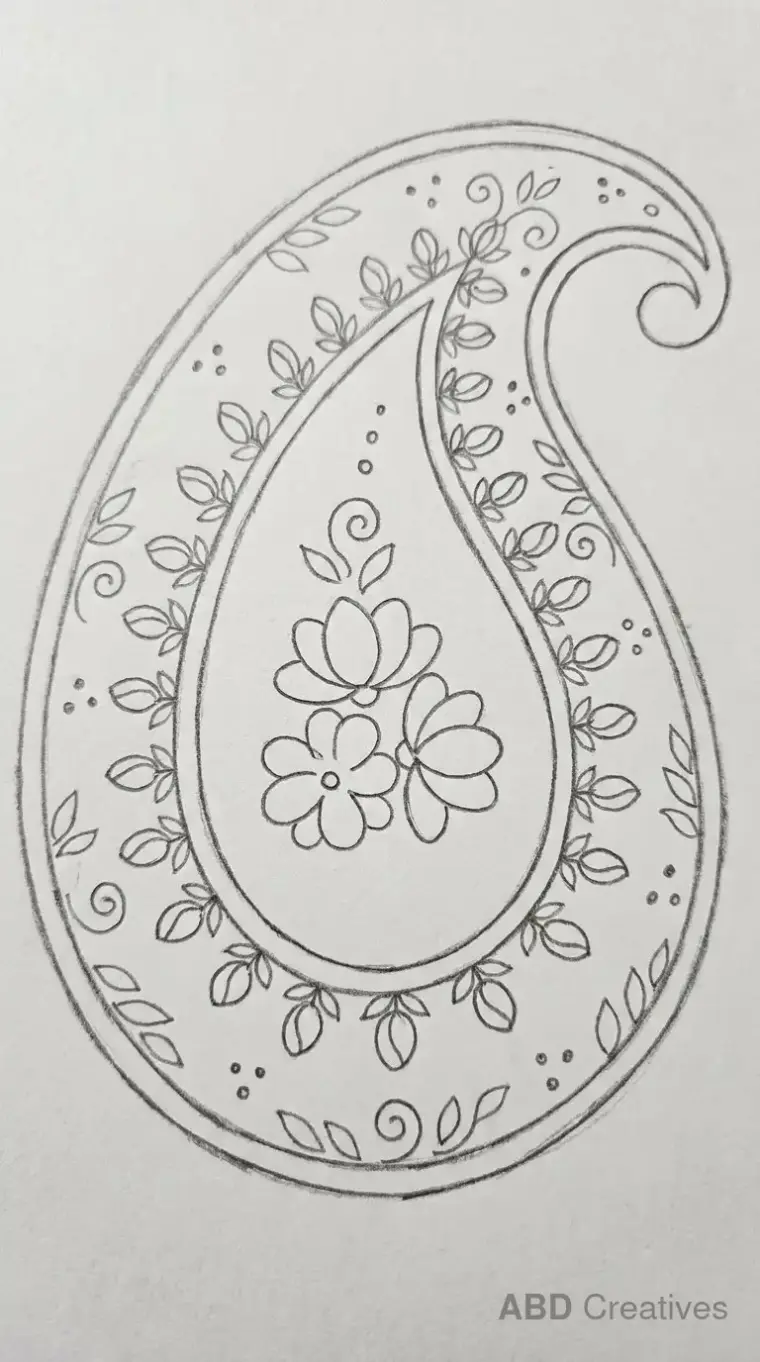
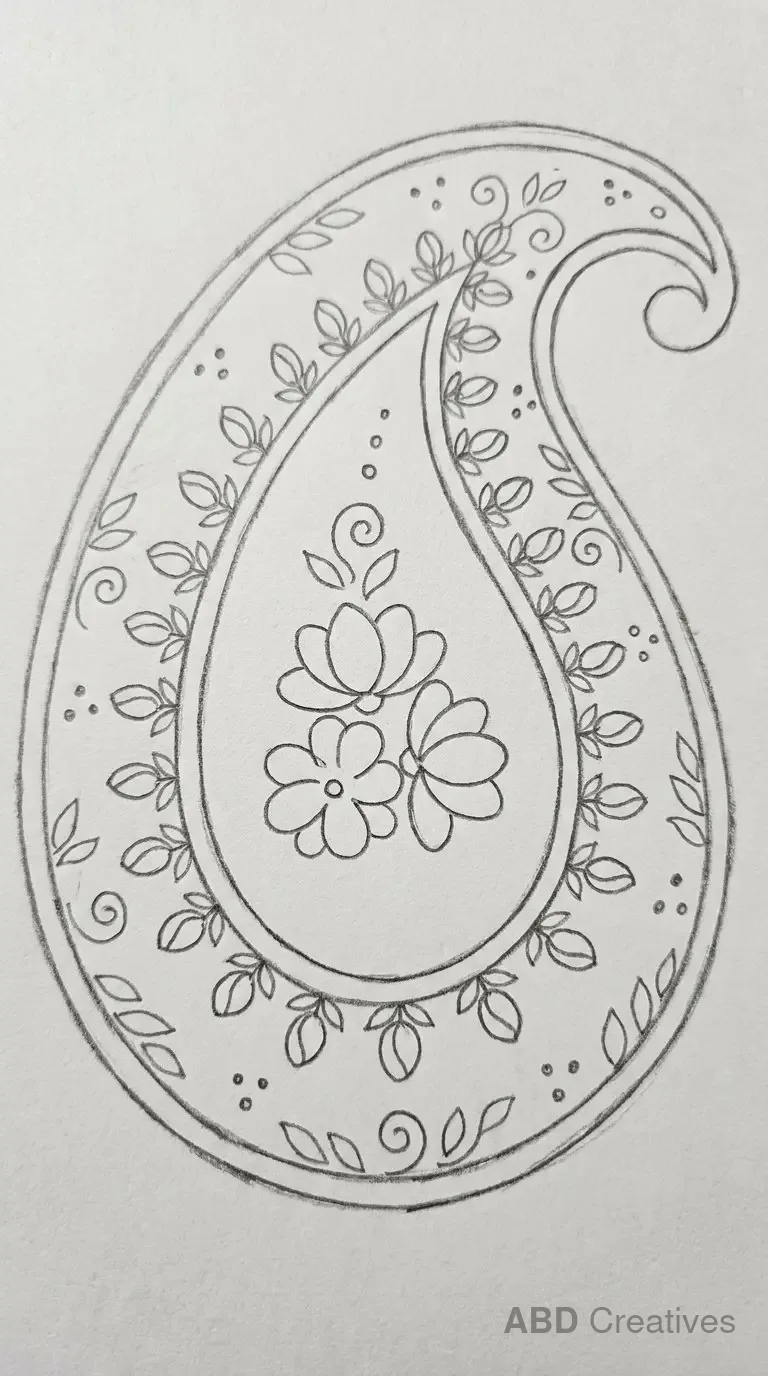
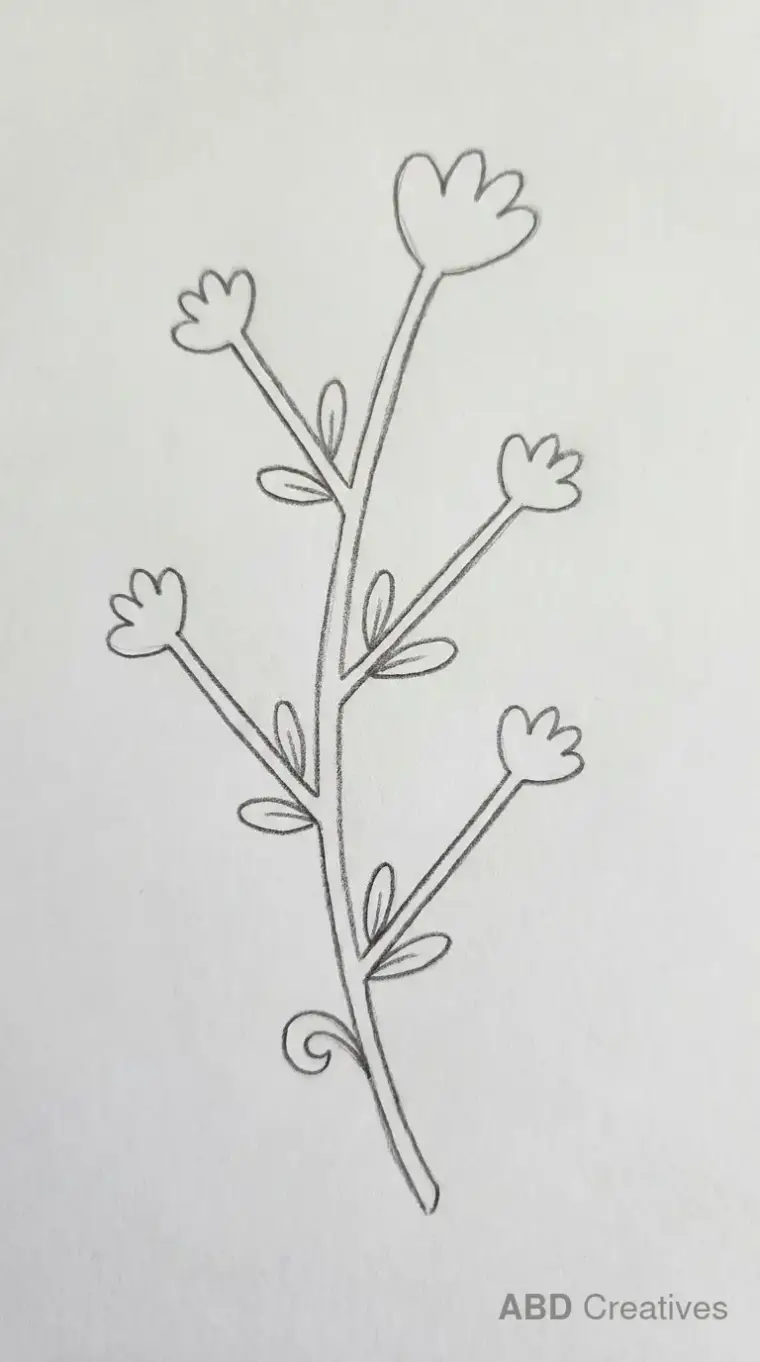
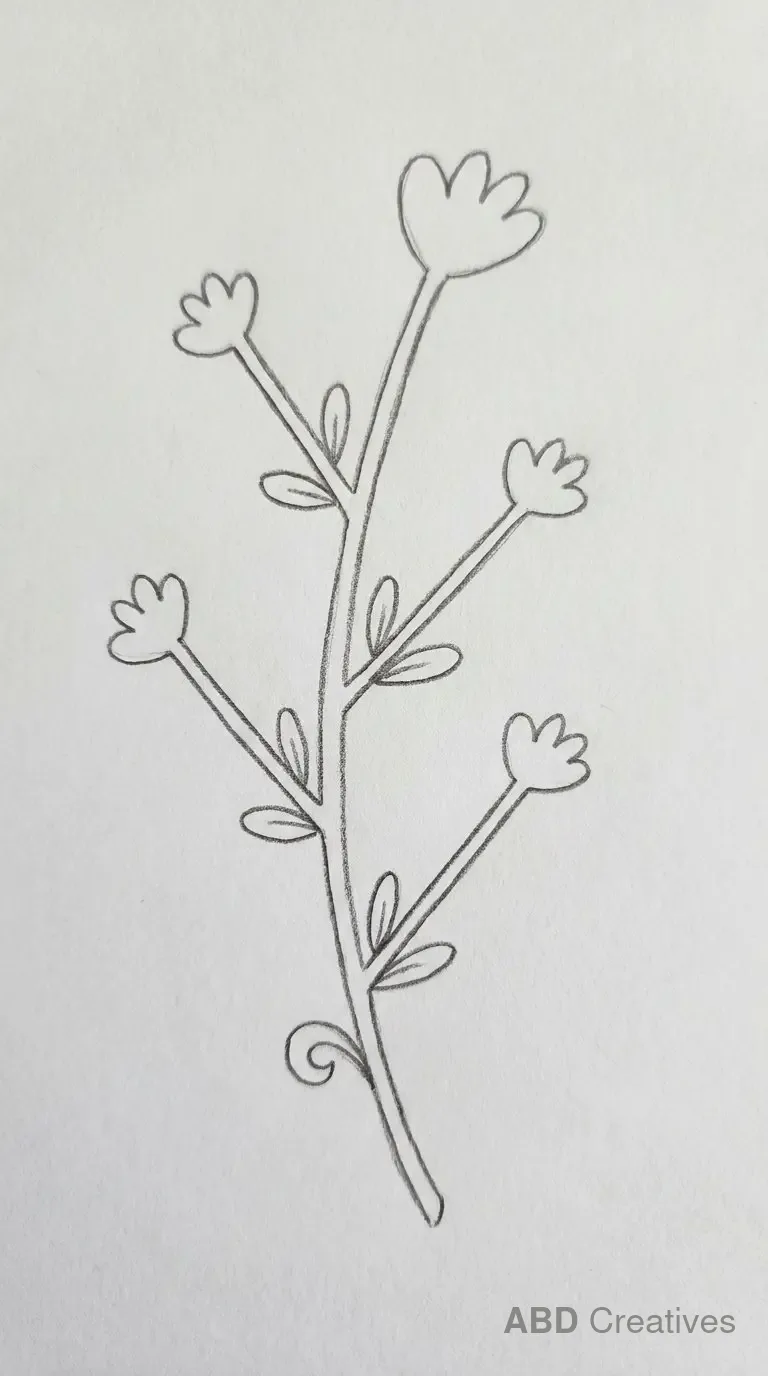
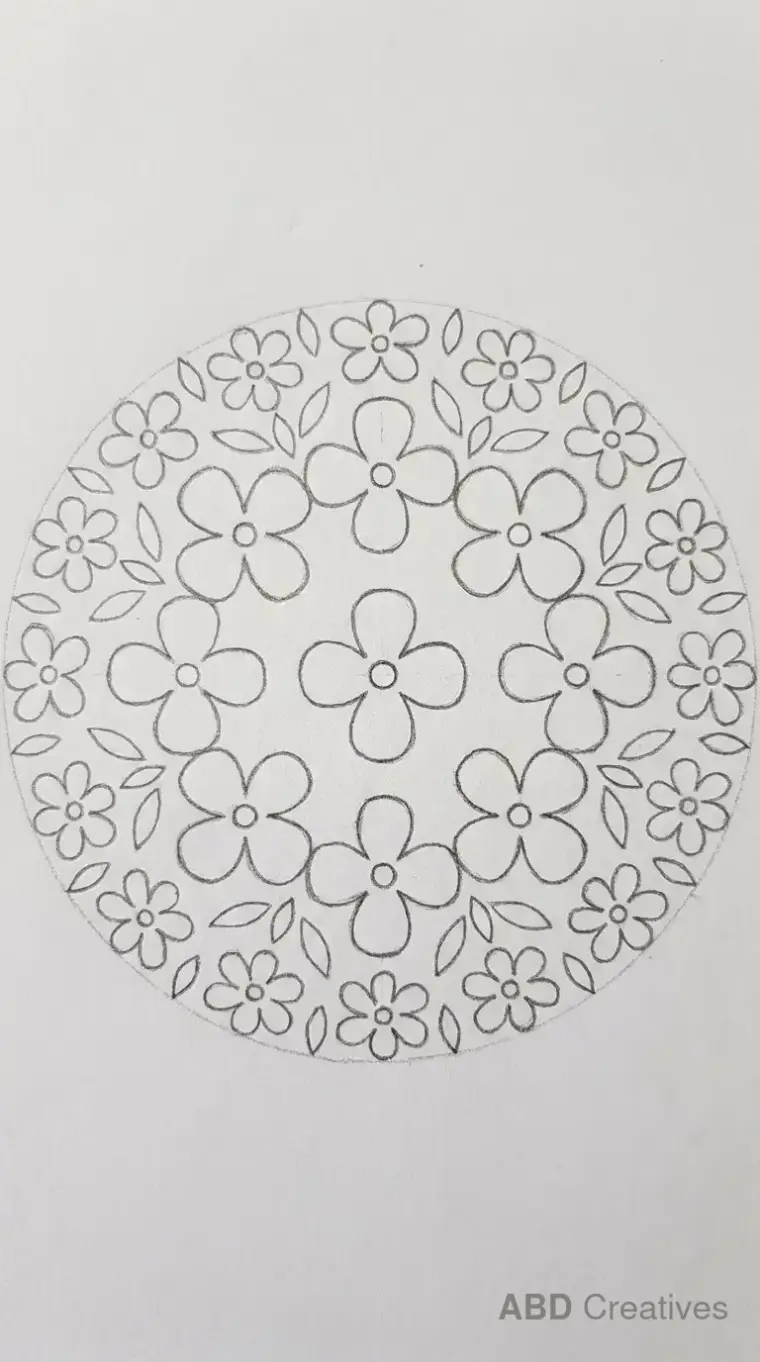
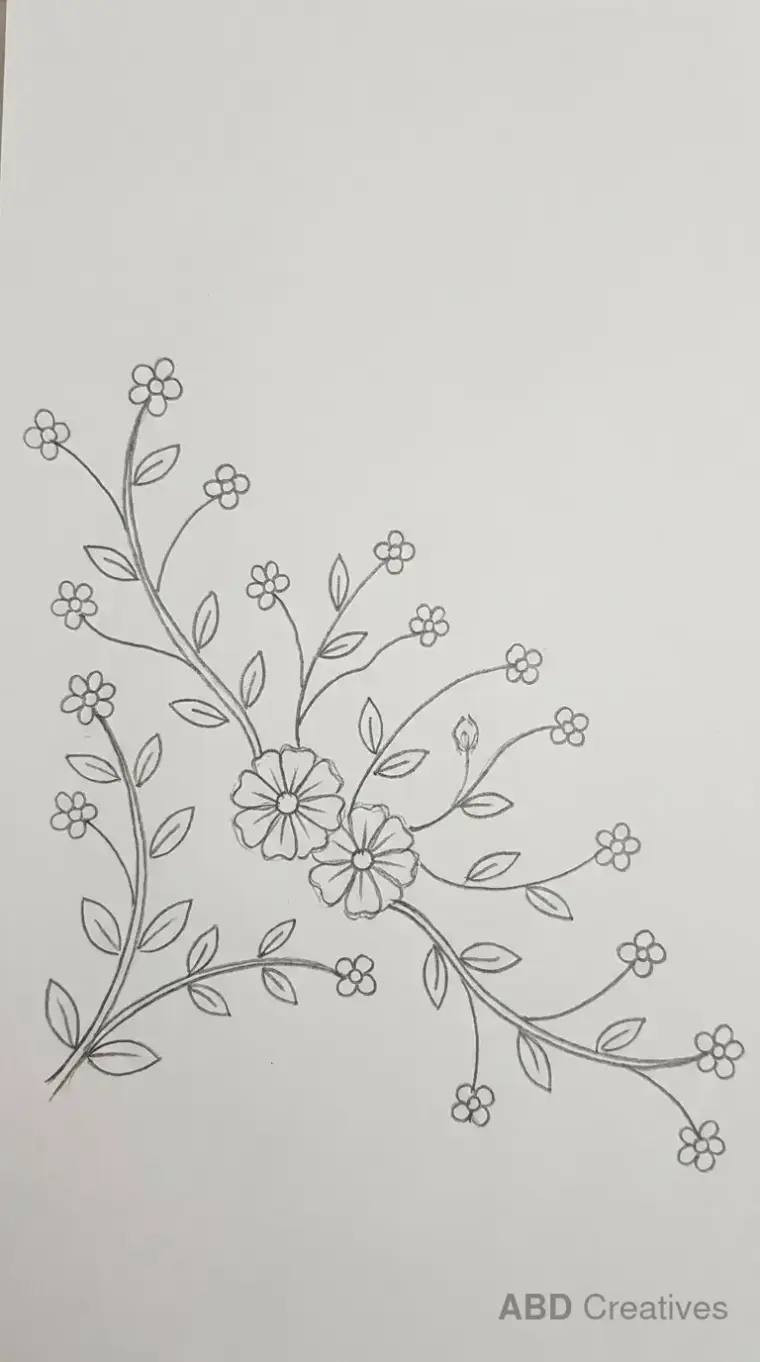
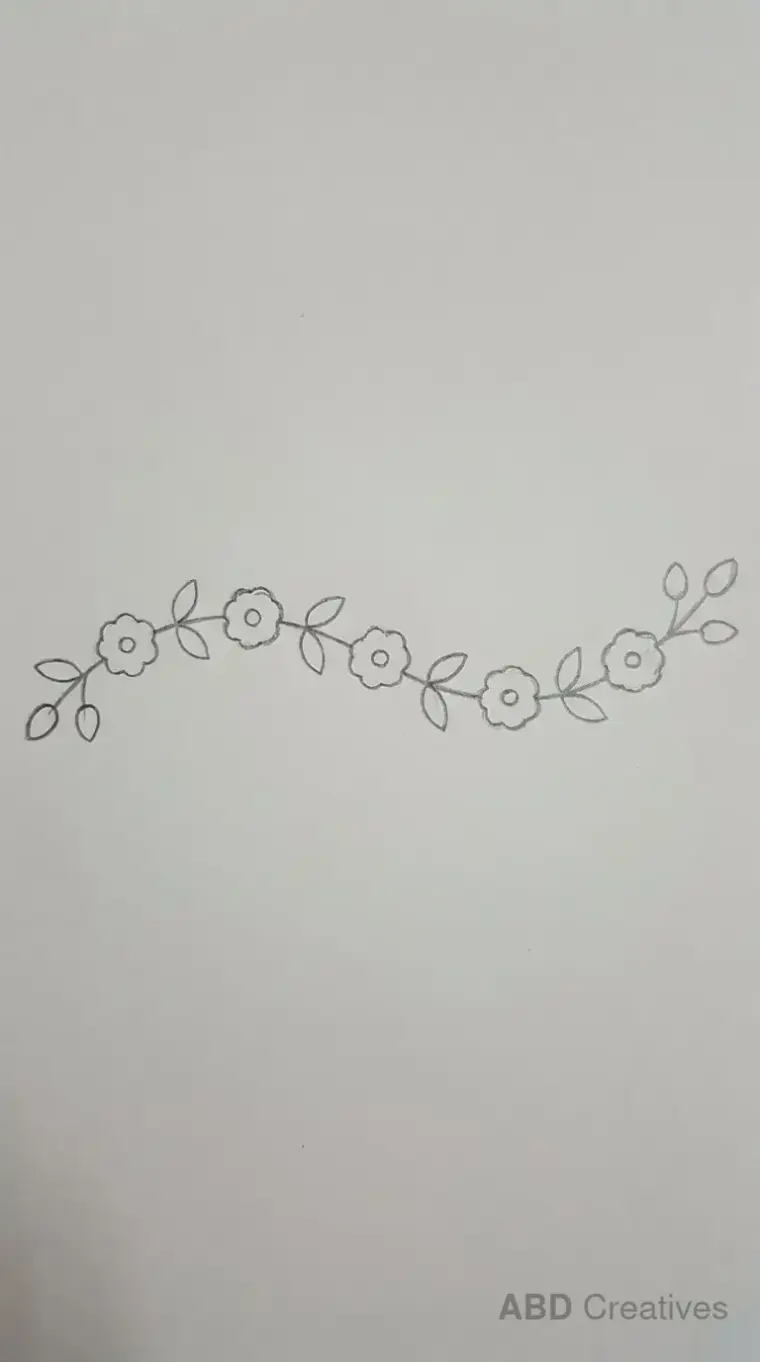
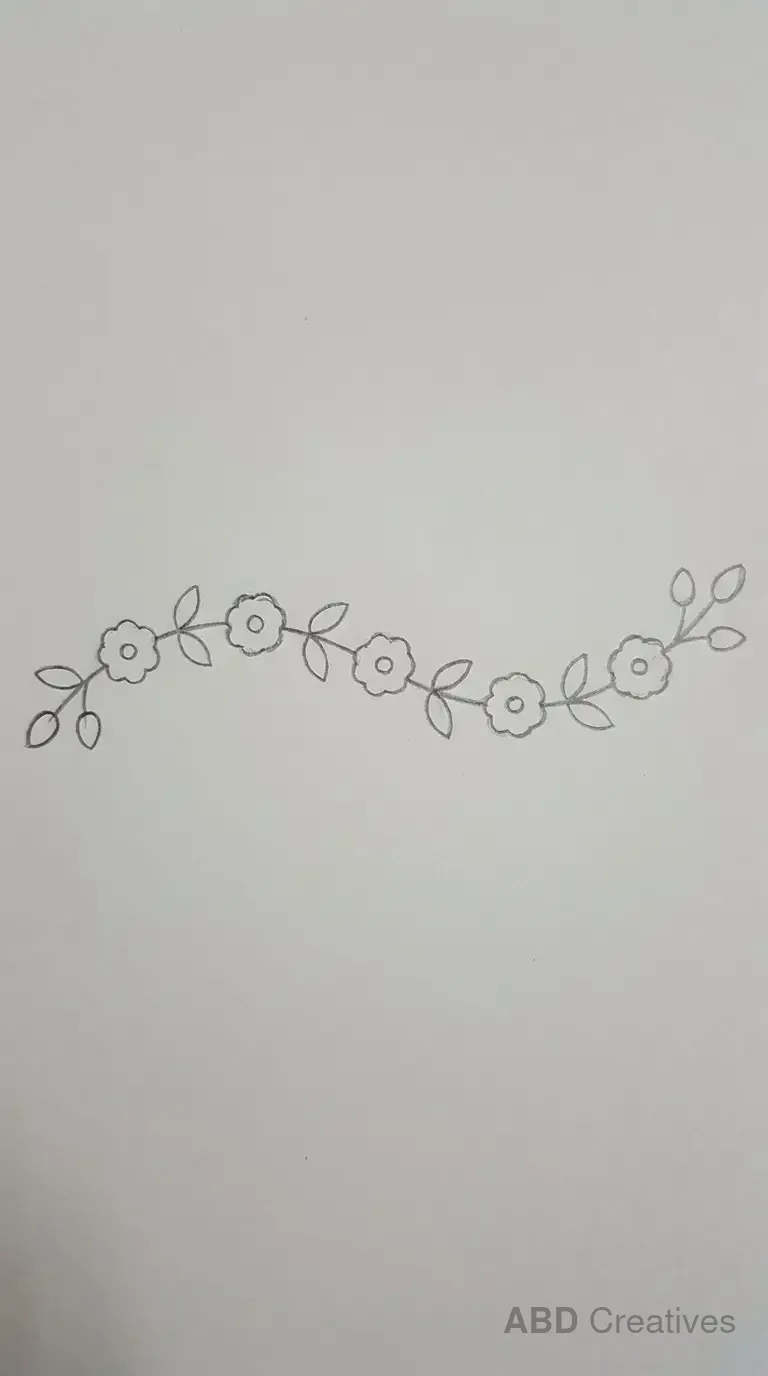
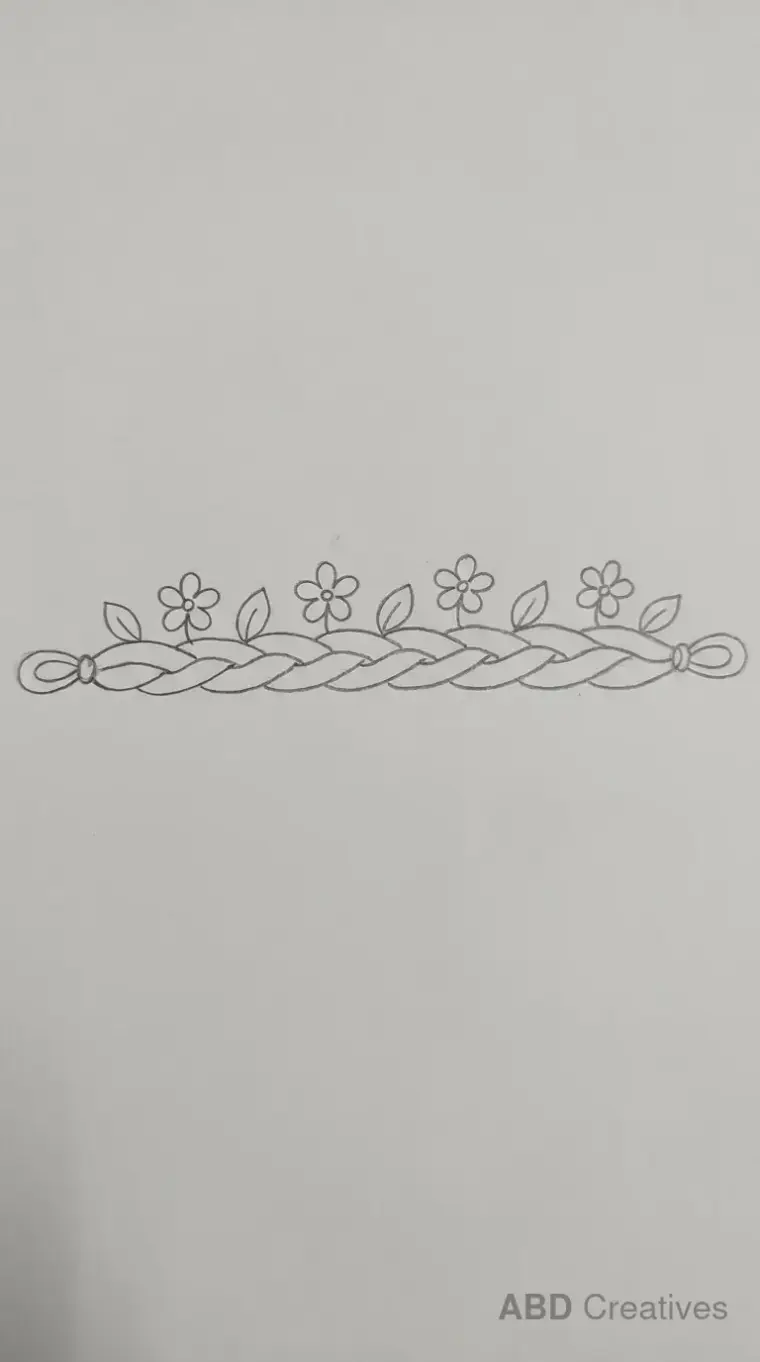
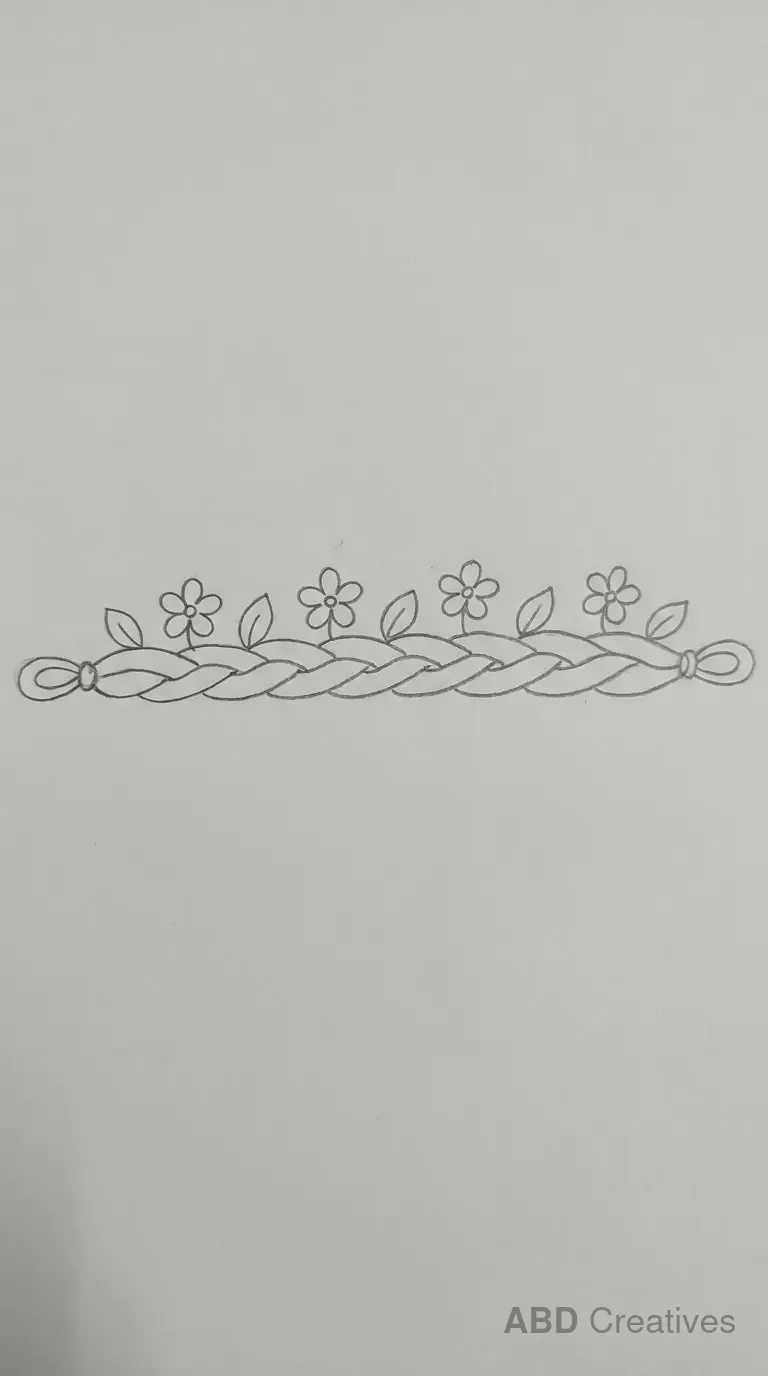
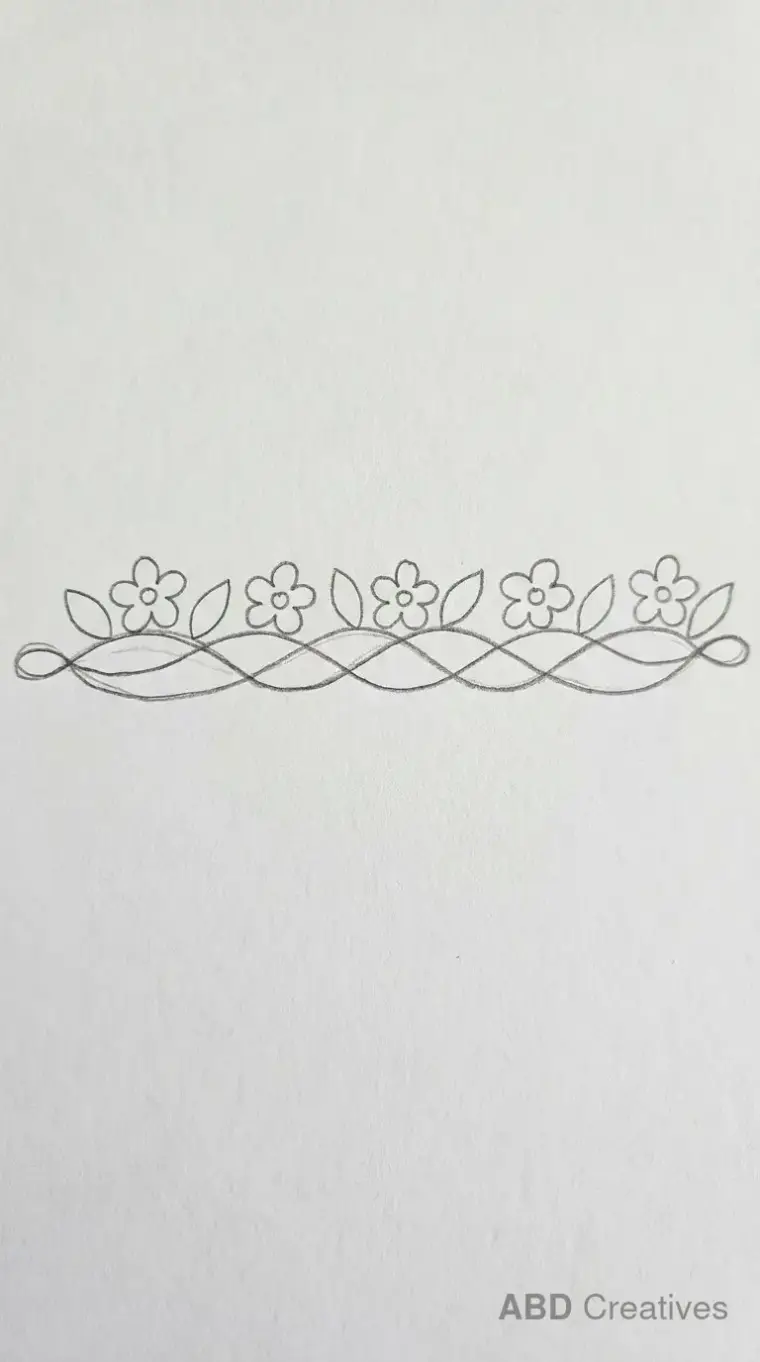
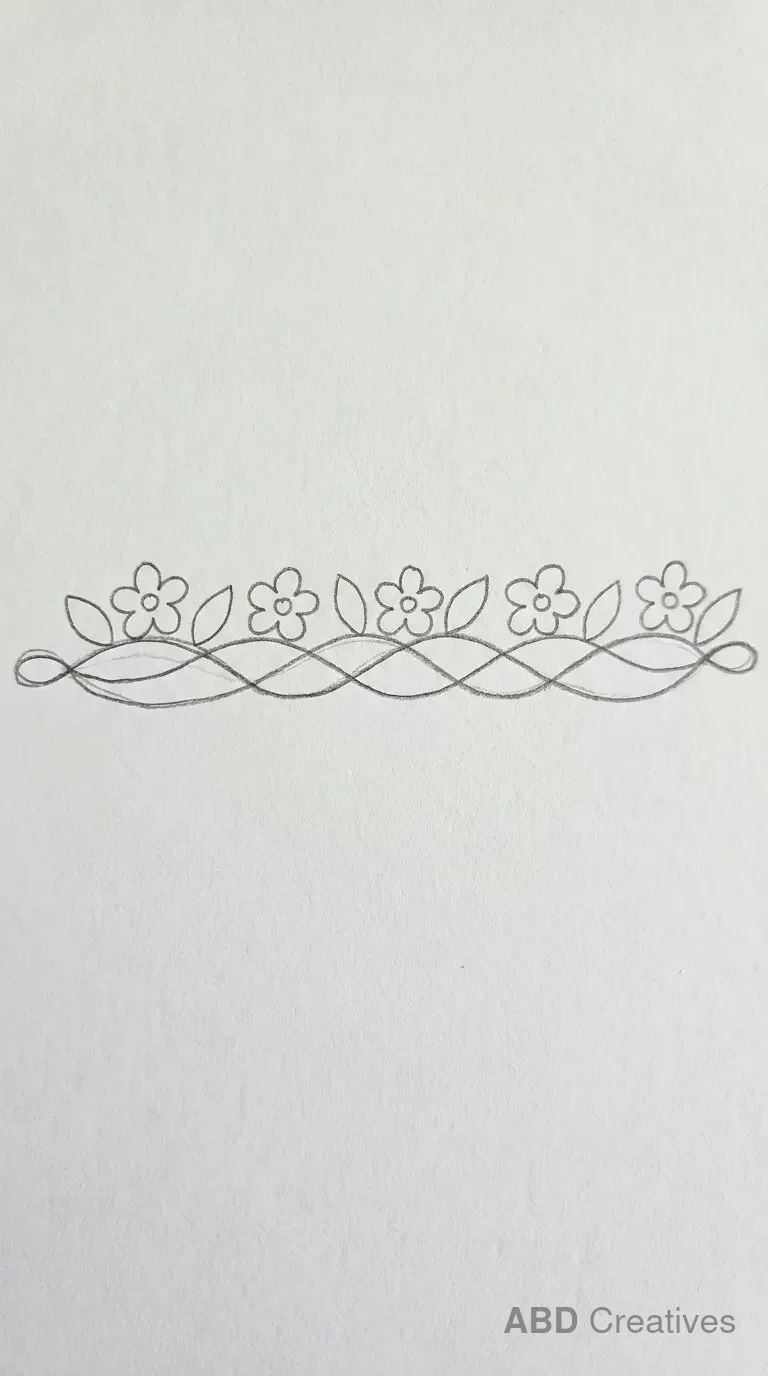
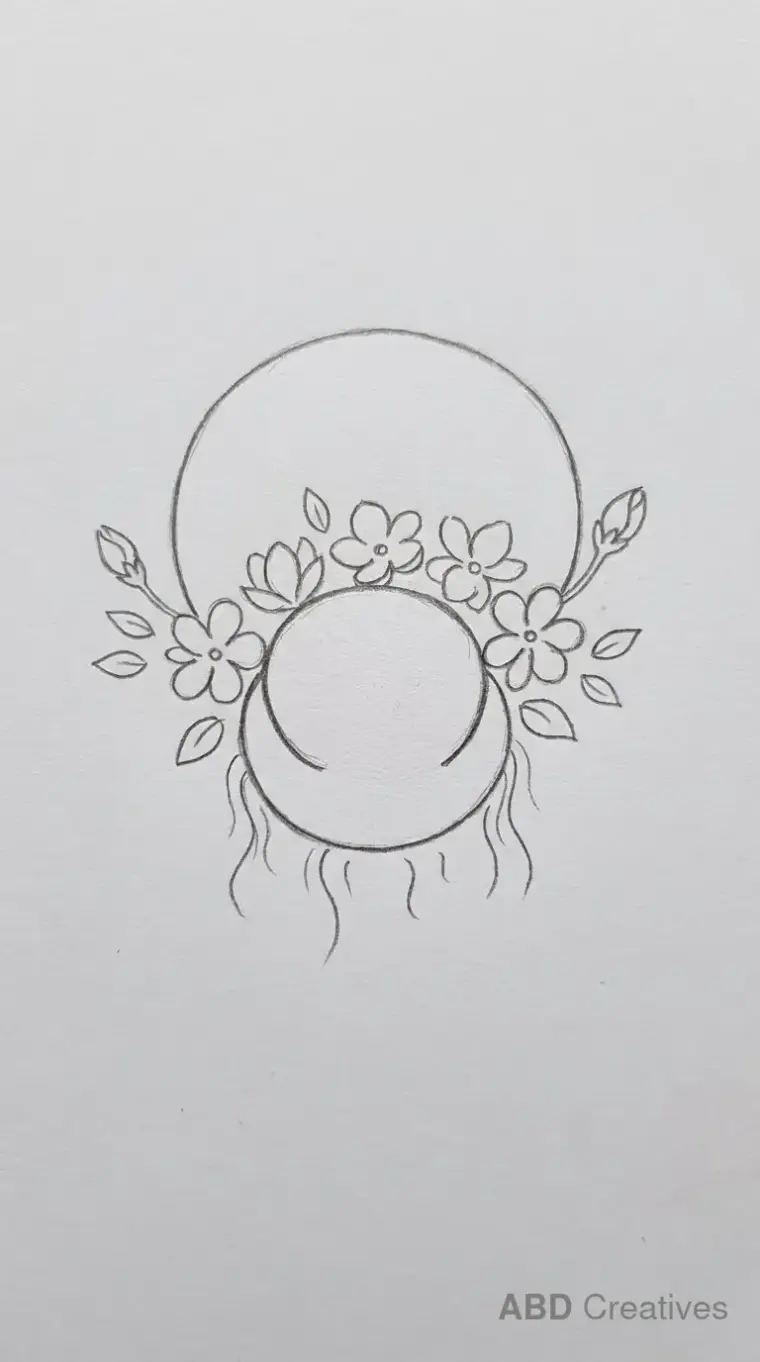
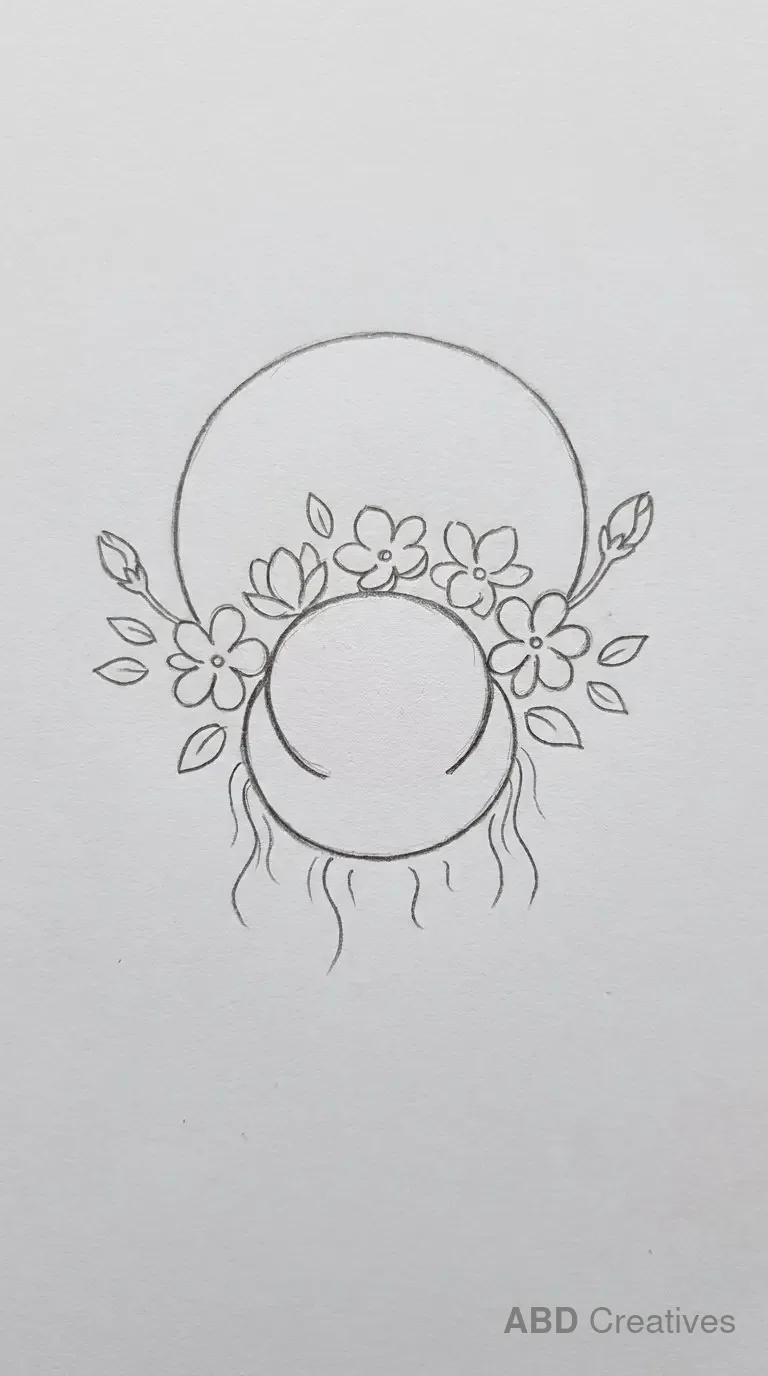
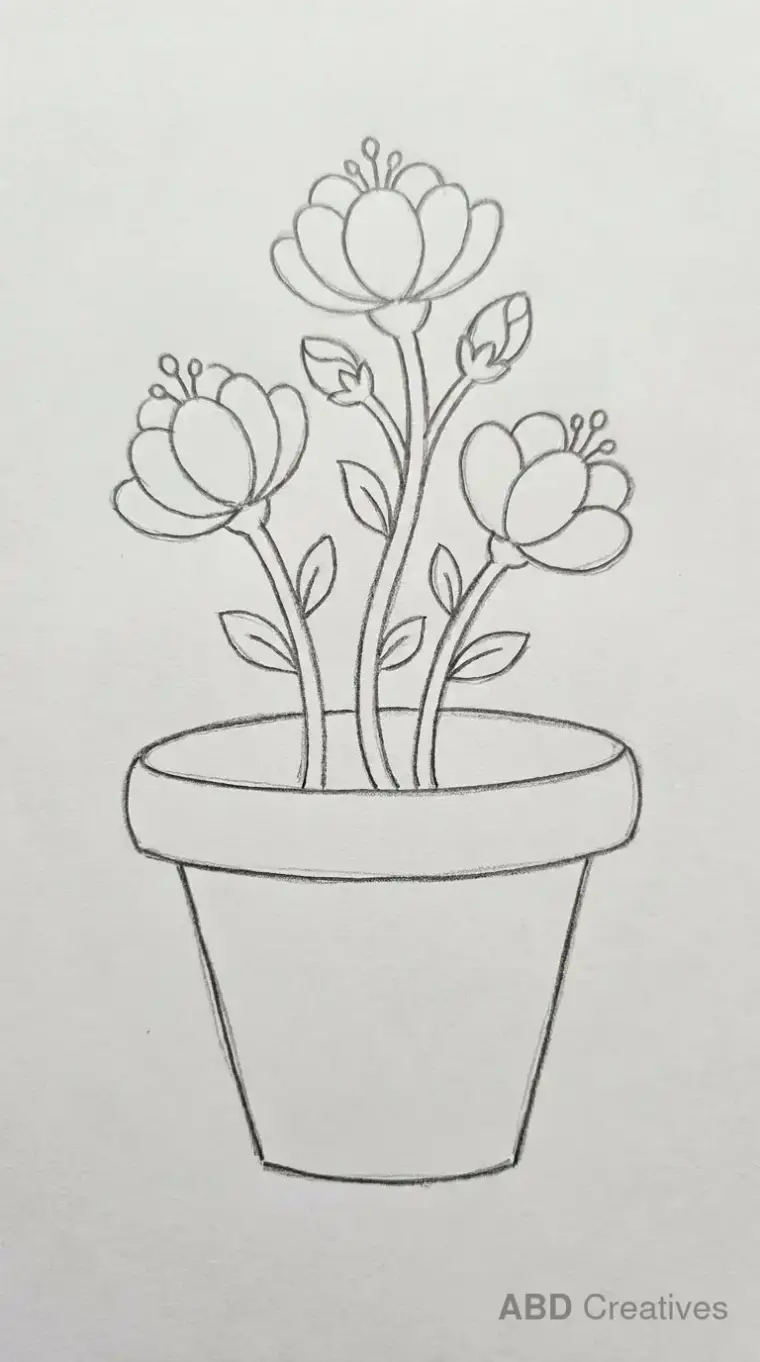
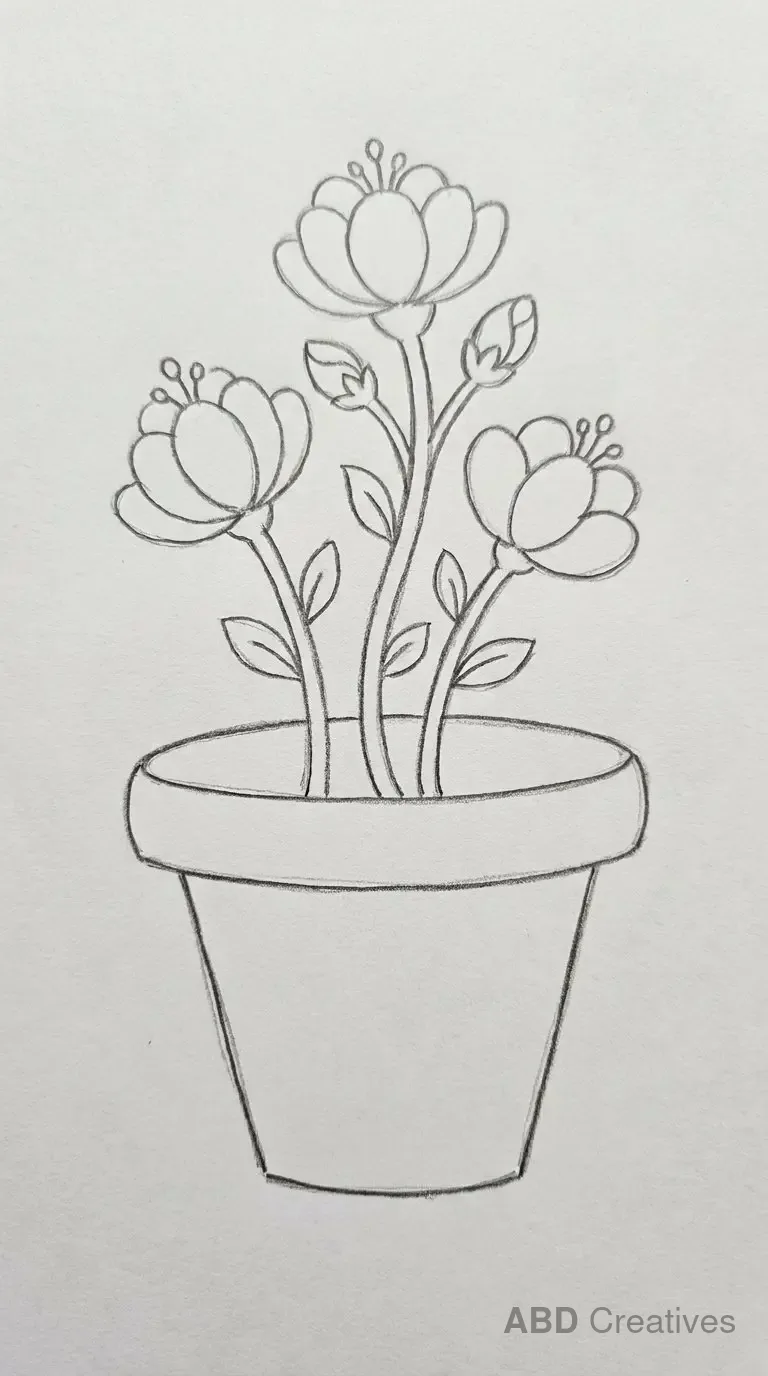
How to draw a mogra step by step
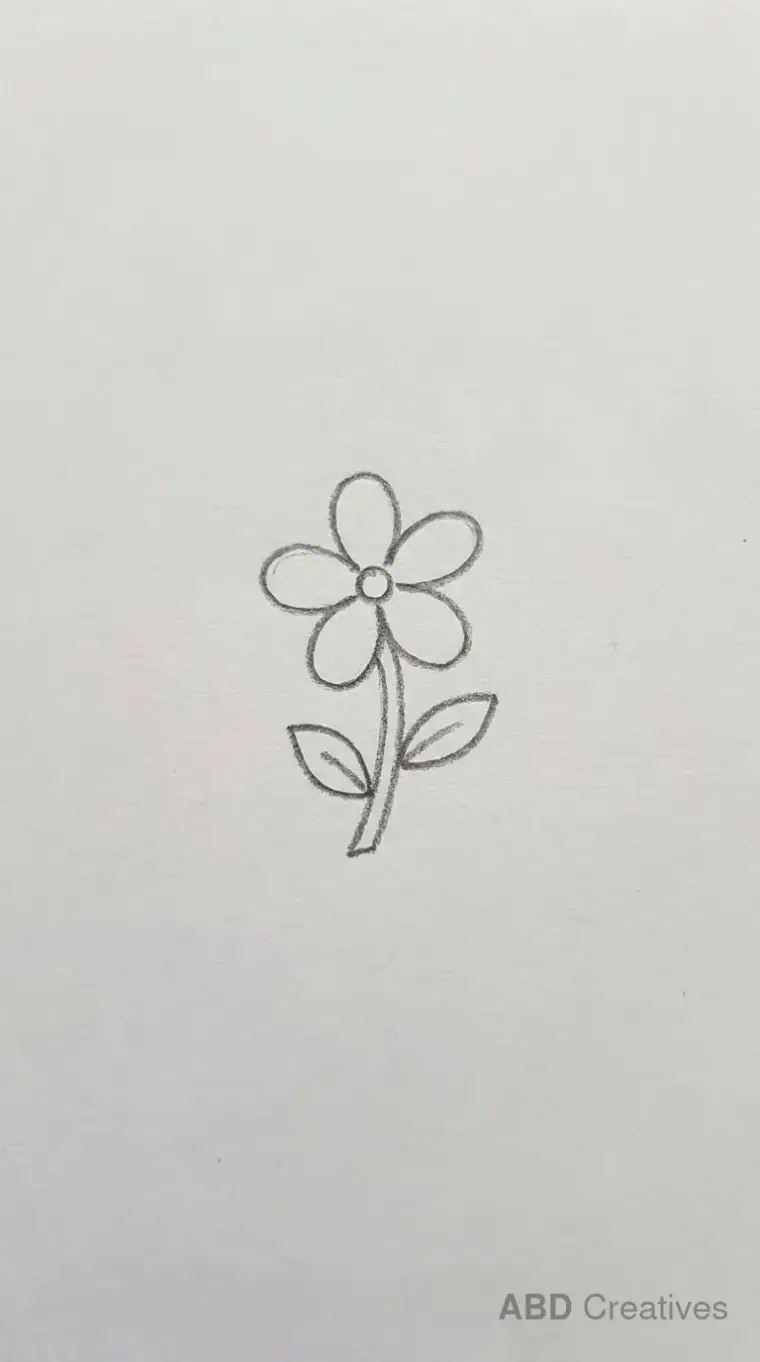
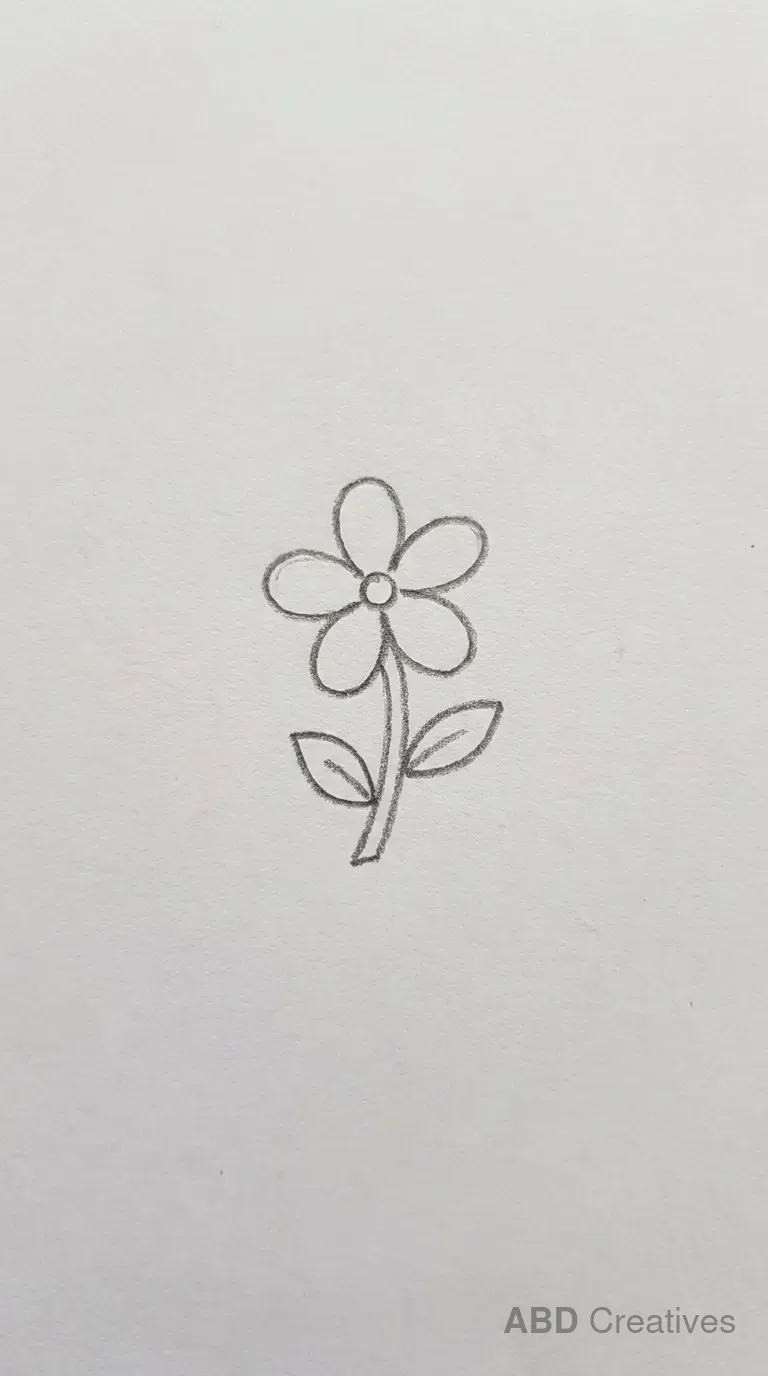
Mogra is the Indian jasmine, and like jasmine the whole flower is small and flat. Most of the drawings here are the same little bloom repeated in different arrangements.
- Draw a very small circle for the centre. Mogra flowers are small, so keep everything tight.
- Add five or six rounded petals around it. Mogra petals are short, wide and overlap slightly, which gives the flower its full look.
- Draw a thin stem. Mogra stems are delicate, so use a single light line rather than two lines for thickness.
- Add the leaves in pairs on opposite sides of the stem. Mogra leaves are glossy pointed ovals, a little wider than jasmine leaves.
- Add two or three closed buds. A bud is a narrow pointed oval, and mixing buds with open flowers is what makes a mogra sprig look real.
Darken your final lines and rub out any guide marks. Mogra suits a light touch, so do not press hard.
Which mogra should you start with
If this is your first flower
Start with the easy mogra flower or the single bud. Both take only a handful of lines. The practice sheet with four parts is also a good first page, because it lets you learn the flower, the bud and the leaf separately.
If you have drawn flowers before
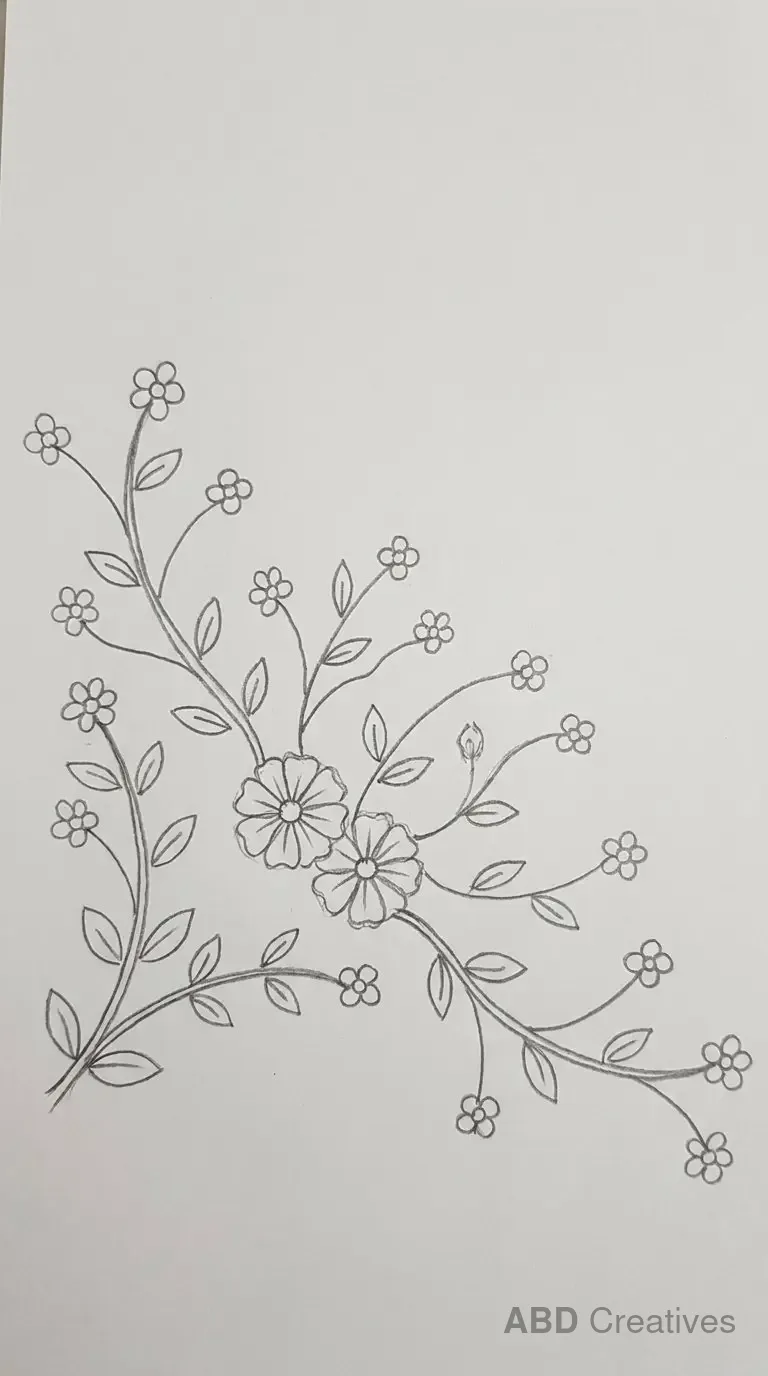
Try the mogra branch with buds, the flower spray or the curved flower string. All three use the same small bloom, but you are arranging several of them, which is a different skill.
If you want a challenge
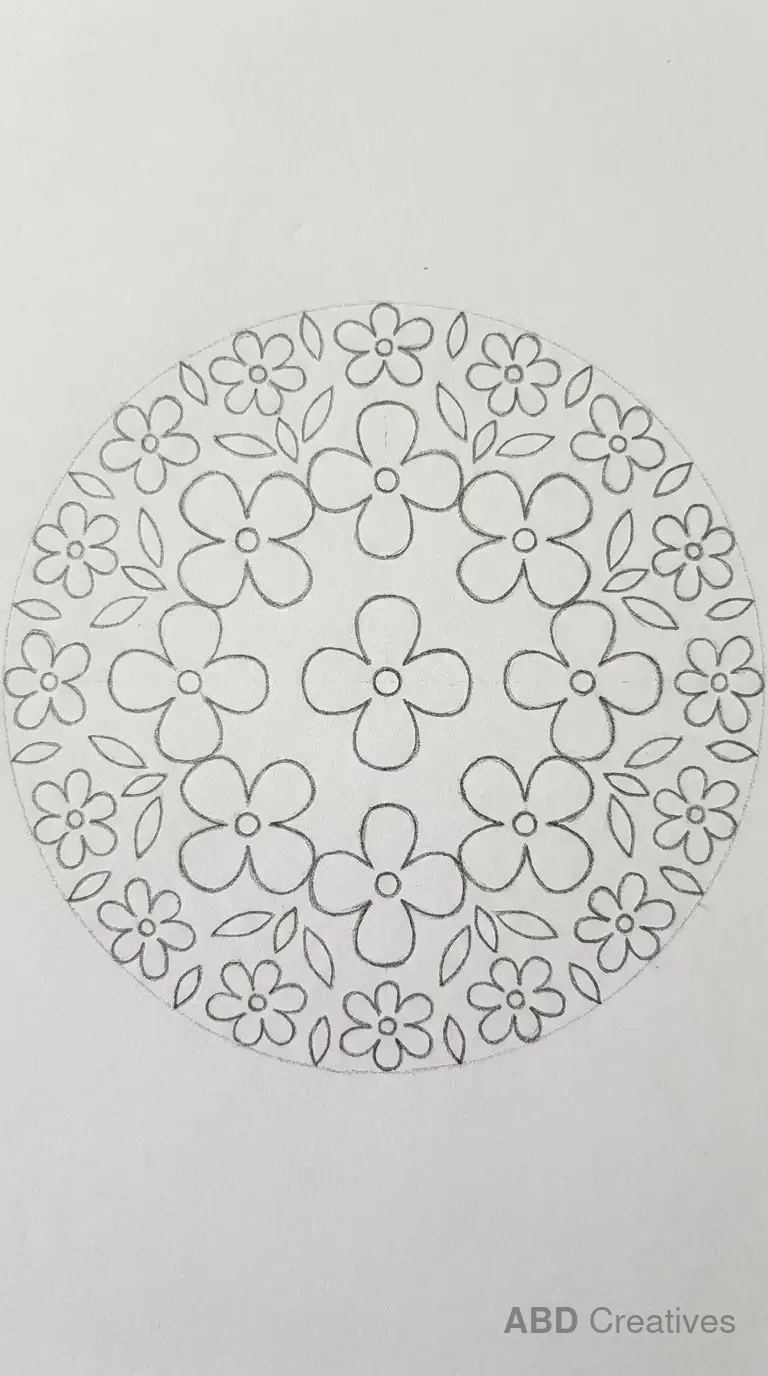
The mandala and the paisley pattern are the most detailed. The gajra takes care too, because the flowers have to wrap convincingly around the bun.
What you need
An HB pencil, plain paper and an eraser. A 2B pencil helps if you want darker final lines. Nothing on this page needs a tablet, a light box or special paper, and none of these were drawn with any.
Three things that make a mogra look right
- The flower is too big. Mogra blooms are small. Drawn large they stop looking like mogra and start looking like a generic five petal flower.
- There are no buds. Real mogra always has tight closed buds among the open flowers. Adding two or three makes a sprig far more convincing.
- The petals are too pointed. Mogra petals are rounded at the tip, not sharp. Pointed petals push the flower towards a star shape.
Mogra, jasmine and chameli
Mogra is a kind of jasmine, so the drawings are close cousins. Mogra blooms are rounder and fuller with overlapping petals, while the jasmine on our jasmine page has flatter petals with clear gaps between them. Chameli is another jasmine again, with a longer tube behind the petals. If you are drawing for a gajra or a puja thali, mogra is the one you want.
Ways to use these drawings
Copy any of these by hand, or download and print them for yourself, for your children or for your classroom. They work as colouring sheets, tracing practice, a warm up before a bigger drawing, or line art for a card. If you want to use one in something you sell, write to us first.
Questions people ask
What is the easiest mogra drawing on this page?
The easy mogra flower for beginners. It is a tiny centre, five rounded petals and two leaves. The single mogra bud is quicker still if you want a warm up.
Are these mogra drawings free to download?
Yes. Every drawing here can be downloaded and printed for personal use, school use or classroom use at no cost. For commercial use, please contact us first.
Is mogra the same as jasmine?
Mogra is a type of jasmine, the one usually called Arabian jasmine. The blooms are rounder and fuller than common jasmine, with petals that overlap rather than sitting apart.
How do I draw a mogra gajra?
Draw the bun or the loop first as a plain shape, then work the flowers around it in a line, overlapping each one slightly over the last. The gajra drawing on this page shows the order.
Can children draw these?
Most of them. The easy flower, the bud, the practice sheet and the curved string all suit children around six and up. The mandala, the paisley and the gajra suit older children and adults.
What can I use the border and paisley designs for?
They work for rangoli outlines, mehndi practice, festival cards, invitation borders and journal pages. Print one and trace it, or copy it freehand onto your own sheet.
What pencil should I use?
An HB is ideal, because mogra suits light delicate lines. Use a 2B only for the final outline if you want more contrast.
Are these drawings made by hand?
Yes. Each one was drawn in pencil on plain paper and photographed. They are not computer generated or traced from photographs.