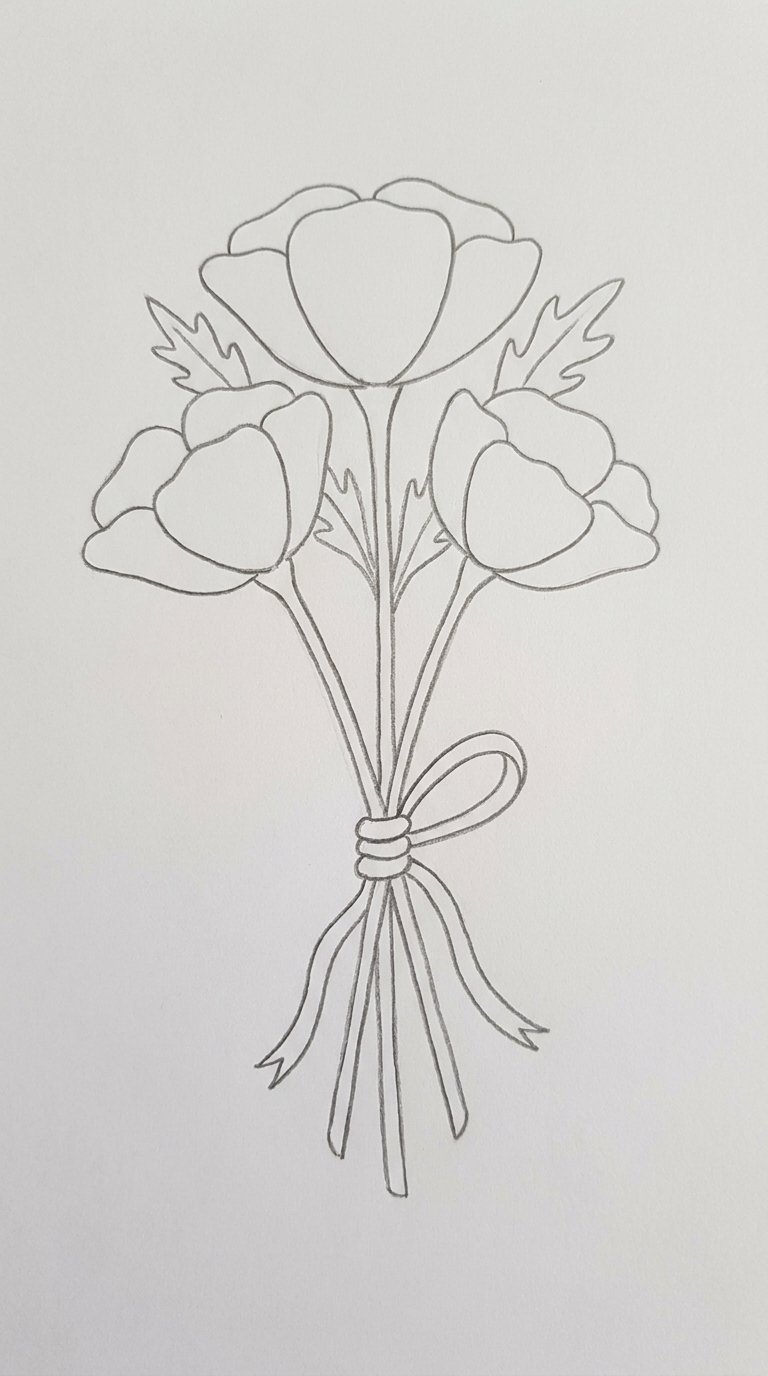
Have you ever looked at a poppy flower and thought, “I wish I could draw that, but it looks too complicated”? You are not alone. Many beginner artists feel intimidated by flowers, especially ones with layered petals and delicate details. But here is the good news — poppy flowers are actually one of the easiest flowers to draw when you know the right approach. Their bold, open petals and round center make them perfect for beginners, children, and anyone just starting their drawing journey.
In this article, you will find 13 poppy flower drawing ideas that break everything down into simple shapes. Every idea uses basic forms like circles, ovals, and curved lines. There is no complicated shading involved. You do not need expensive supplies. All you need is a pencil, a piece of paper, and a little bit of patience. Whether you are a parent looking for a fun art activity for your child, a student exploring botanical drawing, or an adult beginner wanting to learn flower sketching, these tutorials are written just for you.
Each drawing idea in this guide comes with clear step-by-step instructions that walk you through exactly where to place each shape, how large to draw each part, and how to connect all the elements together. You will also find detailed image prompts at the end of each idea so you can visualize the finished drawing. By the time you finish this guide, you will have 13 different ways to draw a poppy flower, ranging from a single open bloom to a full field scene. Let us start drawing.
Simple Single Poppy Bloom
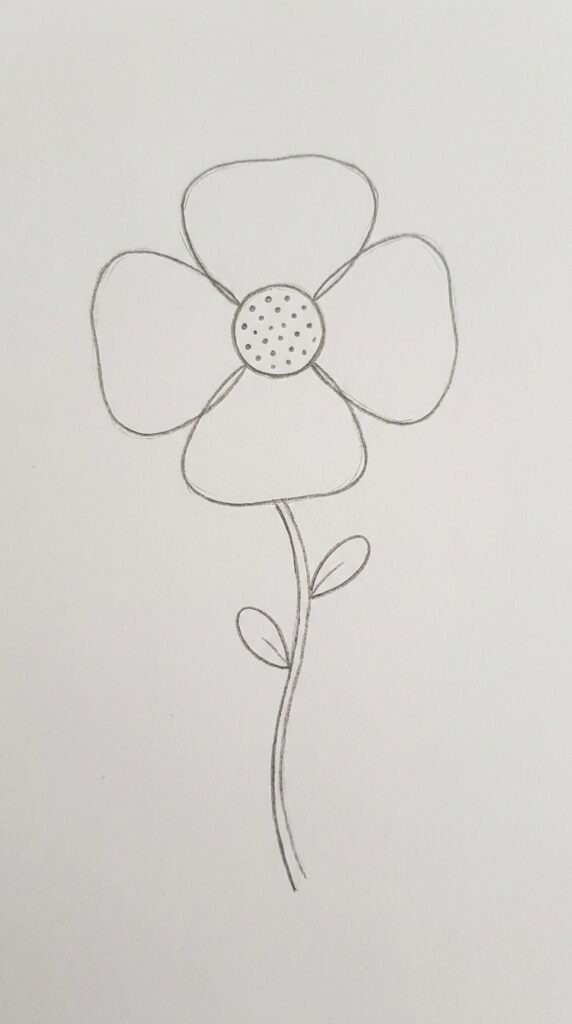
A single poppy bloom is the perfect starting point for any beginner. The flower has four wide, rounded petals arranged around a dark circular center. This drawing teaches you how to use oval shapes to form petals and gives you a solid foundation for all the other poppy variations in this guide.
Step-by-Step Instructions:
- Draw a medium-sized circle in the center of your paper. This will become the seed head of the poppy. Make it about the size of a large coin.
- Around the circle, draw four large rounded petal shapes. Each petal should be roughly the same size and angle outward from the center. Think of each petal as a slightly squashed oval.
- Add a few short curved lines inside the center circle to suggest the stamens. Draw small dots around the inner edge of the circle.
- Draw a thin curved stem extending downward from the base of the flower. Add one or two small oval leaves along the stem.
- Review the proportions. The petals should be clearly larger than the center circle. Adjust any petals that look too small or crowded.
Poppy Flower Bud
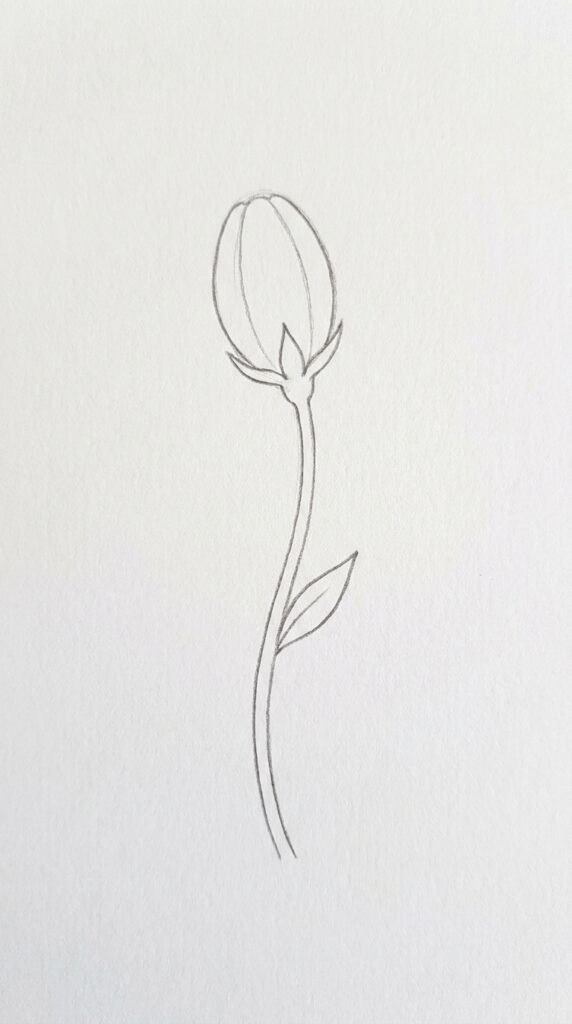
A poppy bud captures the flower just before it opens. This is a great drawing idea for adding variety to a bouquet or floral composition. The bud shape is simpler than the full bloom, making it ideal for young children or absolute beginners.
Step-by-Step Instructions:
- Start by drawing a small egg shape near the upper area of your paper. The egg shape should be slightly wider at the top and narrower at the bottom.
- Draw three or four slightly curved lines running vertically from the bottom of the egg shape to suggest the folded petals inside.
- At the very bottom of the egg shape, draw two small pointed sepals. These are the small leaf-like parts that cup the base of the bud.
- Draw a long, gently curved stem downward from the sepals. The stem should curve slightly to one side to look natural.
- Add one small feathery leaf midway along the stem using a simple o
Side View Poppy Flower
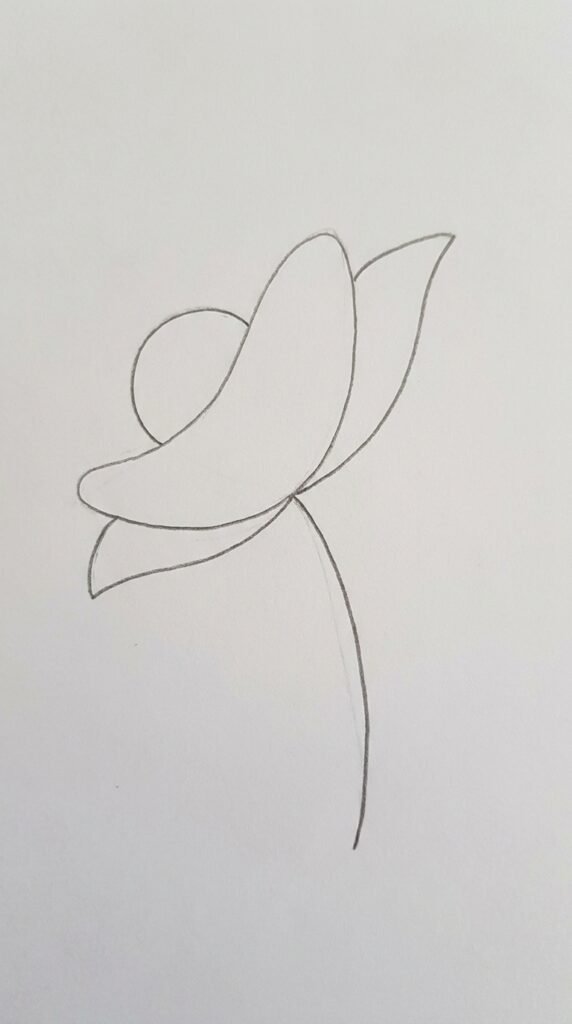
Drawing a poppy from the side gives your artwork more depth and variety. The side view shows the petals curving back and the stem bending under the weight of the bloom, which creates a graceful, natural look.
Step-by-Step Instructions:
- Draw a small half-circle shape on the left side of your paper area. This will be the visible portion of the center seed head as seen from the side.
- On the right side of the half-circle, draw two large petals that curve gently backward and upward. These petals should be longer than wide.
- Add one smaller petal visible behind the main petals on the left side, partially hidden by the other petals.
- Draw a few short curved lines at the base of the half-circle to suggest the back petals folding inward.
- Extend a curved stem downward from the base, adding a slight bend to suggest the stem drooping naturally under the flower’s weight.
Poppy With Five Petals
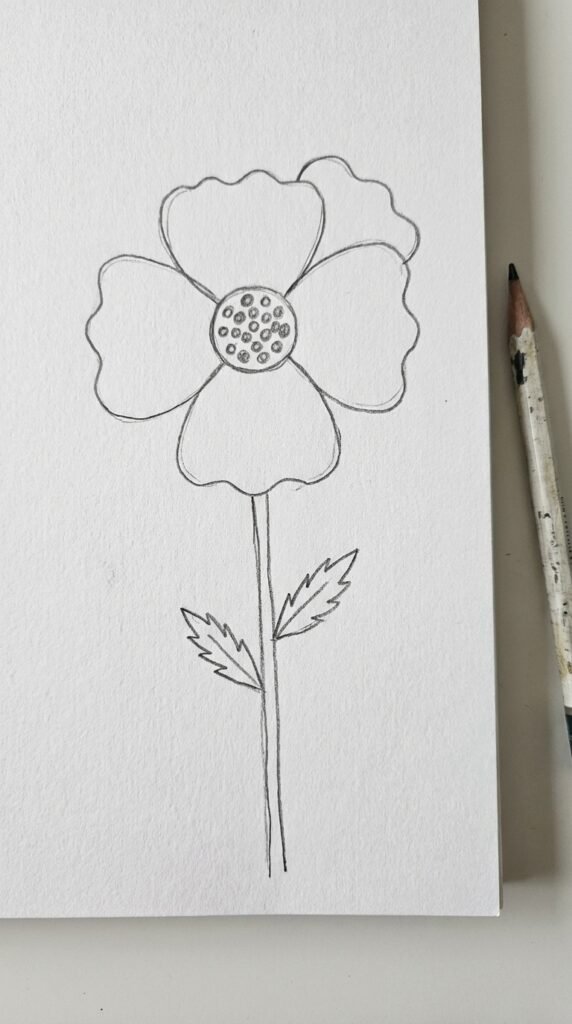
Most poppy drawings show four petals, but the five-petal variation adds a realistic botanical touch that makes your drawing stand out. The fifth petal partially overlaps one of the others, creating a sense of natural layering.
Step-by-Step Instructions:
- Draw a medium circle in the center of your paper for the seed head. Make it approximately the size of a quarter.
- Draw four petals evenly spaced around the circle, similar to the single bloom tutorial. Keep each petal wide and rounded.
- Draw a fifth petal that overlaps slightly behind one of the existing petals. It should peek out from behind, creating a layered look.
- Add small dot clusters inside the center circle to suggest stamens and texture.
- Draw a straight stem extending downward, with two small irregular leaves that have slightly jagged edges, which is typical of real poppy plants.
Poppy Flower With Long Stem and Leaves
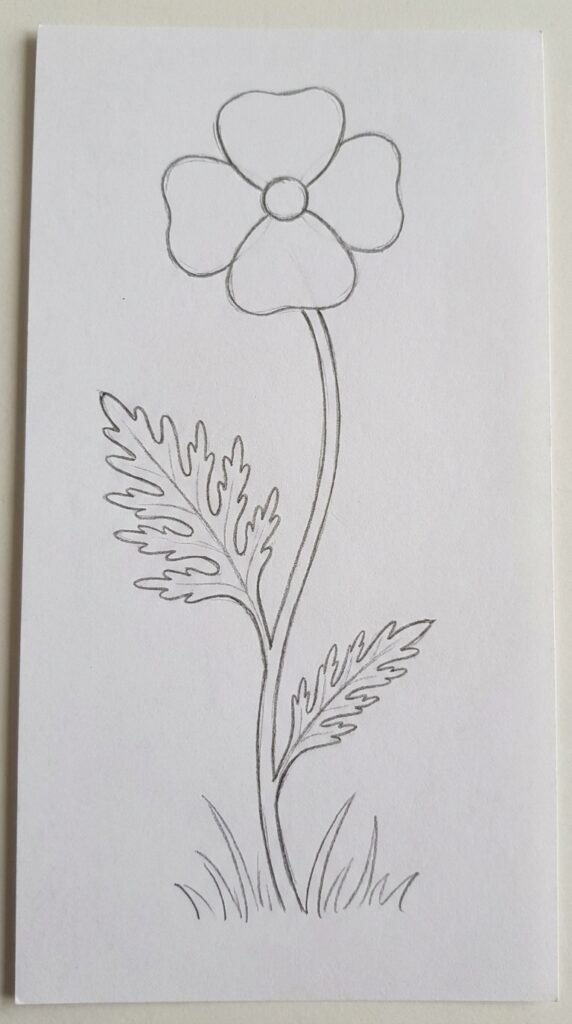
This drawing idea focuses on the full plant, including the long stem and the distinctive feathery leaves that make poppy plants recognizable. It is a good drawing for practicing proportion and understanding how a plant’s parts connect.
Step-by-Step Instructions:
- Start by drawing the flower head at the top of your paper using the basic four-petal circle method from the first idea.
- Draw a long, slightly curved vertical stem extending downward from the flower base, taking up about two-thirds of the paper height.
- About one-third of the way down the stem, draw a large feathery leaf on the left side. This leaf should be elongated with multiple small lobes along its edges.
- About two-thirds of the way down the stem, add a second smaller feathery leaf on the right side.
- At the very bottom of the stem, draw a small ground line or a few small grass-like strokes to anchor the plant to the ground
Two Poppies Together
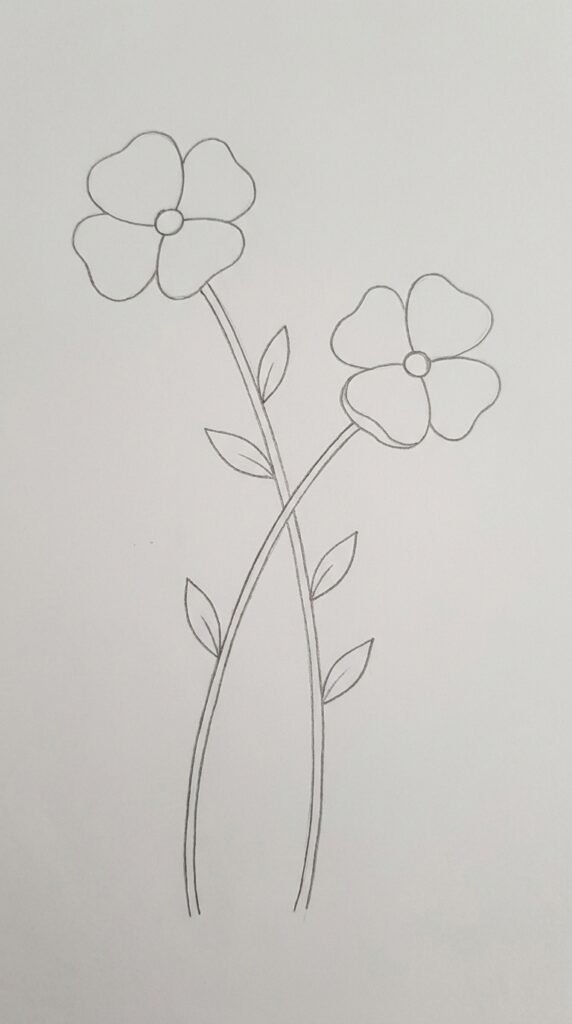
Drawing two poppies side by side teaches you how to compose a small scene and balance elements on the page. The flowers can be at slightly different heights to create a more natural look.
Step-by-Step Instructions:
- On the left side of your paper, draw a full open poppy bloom at a slightly higher position. Use four rounded petals around a small circle center.
- On the right side, draw a second poppy bloom that sits slightly lower than the first. This height difference creates a natural, unposed look.
- Draw long curved stems for each flower, allowing them to cross each other gently near the middle of the paper.
- Add two or three leaves distributed between the two stems. Place them at different heights so they do not all line up in the same spot.
- Review the overall balance of the drawing. The two flowers should feel like they belong together without one overpowering the other.
Poppy in a Simple Vase
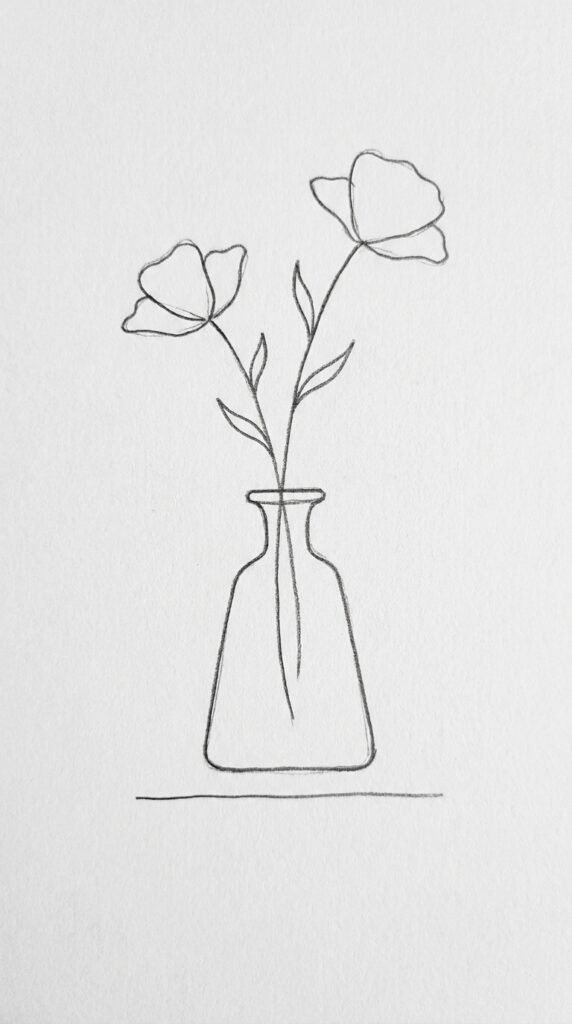
Placing a poppy in a vase is a classic drawing composition that works beautifully for greeting cards, wall art, or Pinterest printables. The vase adds structure to the composition and makes it feel like a complete picture.
Step-by-Step Instructions:
- Near the bottom center of your paper, draw a simple vase shape. Use a trapezoid for the body and add a narrow neck and a slightly wider rim at the top.
- Draw two or three poppy stems rising out of the vase opening. Let them spread out gently at the top.
- Add a full open bloom at the top of each stem. Vary the angle of each flower slightly so they each face in a slightly different direction.
- Add small leaves along the stems between the vase rim and the flowers.
- Draw a short horizontal line beneath the vase to suggest a table surface, which grounds the composition.
Poppy Flower Wreath
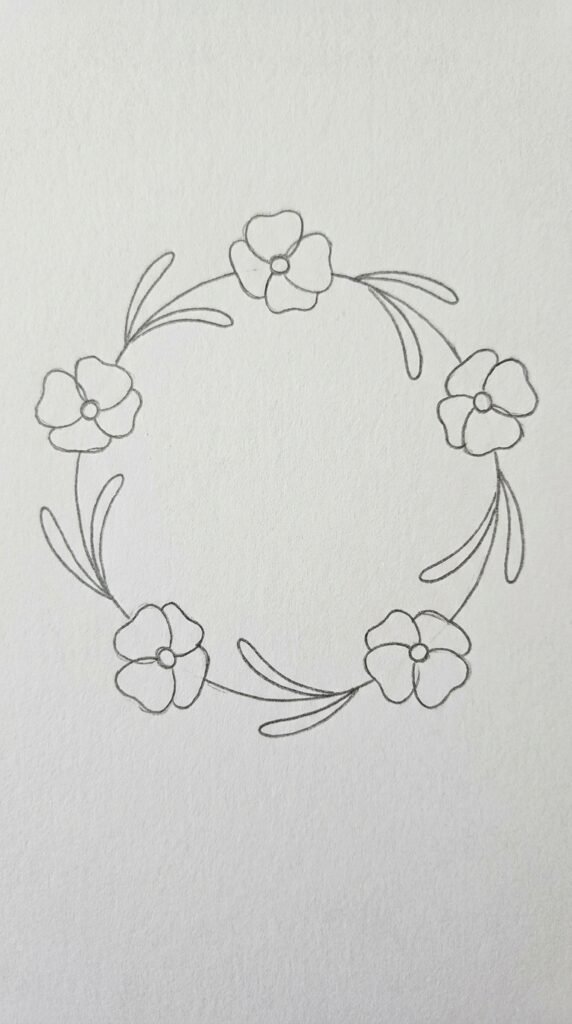
A poppy wreath is a beautiful circular composition made by arranging poppy blooms and leaves in a ring. This drawing works wonderfully for seasonal artwork and Pinterest content.
Step-by-Step Instructions:
- Lightly draw a large circle in the middle of your paper using a pencil. This circle will serve as a guide for placing your flowers and leaves and can be erased later.
- Draw small poppy blooms evenly spaced around the circle. Aim for five or six blooms. Each bloom should face slightly outward from the center of the circle.
- Between each bloom, draw two or three curved leaves. Let the leaves overlap the stems slightly to fill in the gaps.
- Connect the blooms with thin curved lines representing stems. The stems should follow the curve of the guide circle.
- Erase the guide circle. Review the wreath and add any small dots or additional leaves where the composition feels spAfter a poppy flower loses its petals, it leaves behind a distinctive round seed pod on a tall stem. This drawing idea is unique and gives you practice drawing a different part of the poppy plant lifecycle.
Poppy With Seed Pod
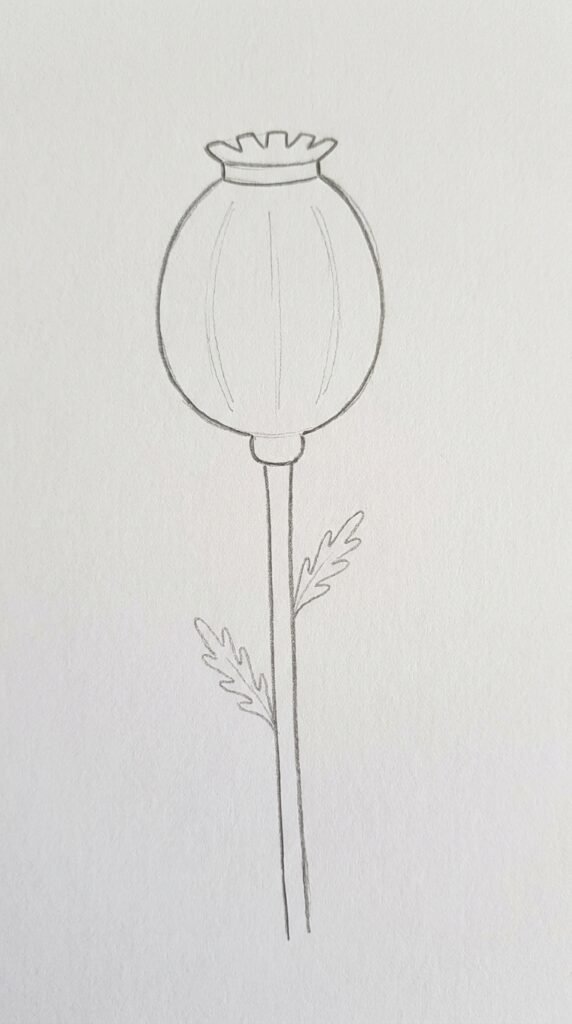
After a poppy flower loses its petals, it leaves behind a distinctive round seed pod on a tall stem. This drawing idea is unique and gives you practice drawing a different part of the poppy plant lifecycle.
Step-by-Step Instructions:
- Draw a round oval shape near the top center of your paper. This is the seed pod. It should be about the size of a small coin and slightly taller than it is wide.
- At the very top of the oval, draw a flat disc shape that looks like a crown or a small hat. This is the stigma disc of the poppy seed pod.
- Draw a long, straight stem extending downward from the base of the oval. The stem should be noticeably longer than the seed pod is tall.
- Add one or two small leaves along the stem using feathery, lobed shapes.
- Draw a few tiny vertical lines inside the oval to suggest the texture of the seed pod surface.
Poppy Field Scene
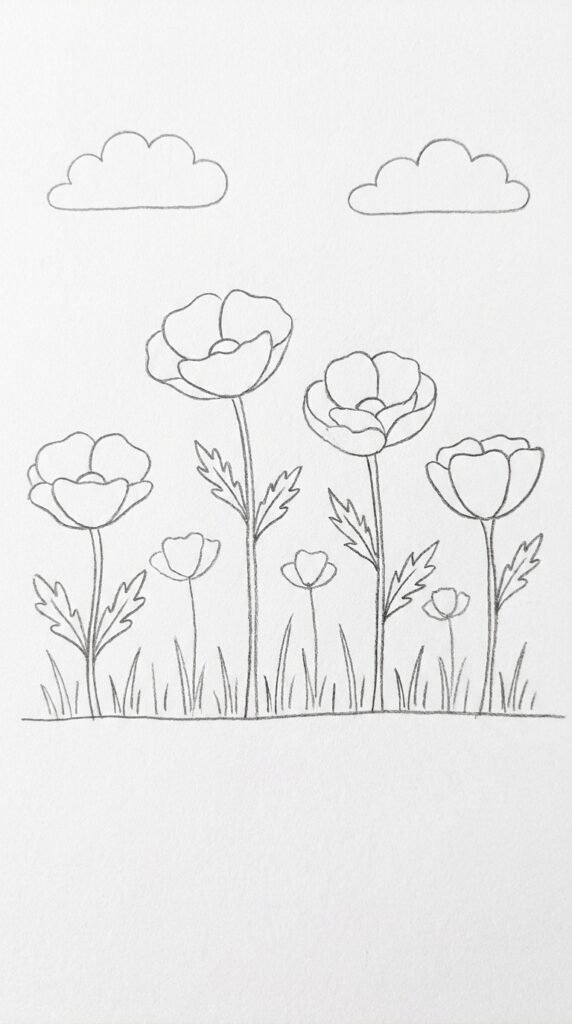
A poppy field scene lets you practice drawing multiple flowers arranged across a landscape. It looks more complex than it is because you repeat the same simple flower shape multiple times at different sizes.
Step-by-Step Instructions:
- Draw a light horizontal line across the lower third of your paper. This is the ground line.
- Above the ground line, draw three or four full poppy blooms at different heights. The tallest ones should be near the center and the shorter ones toward the edges.
- Behind those front poppies, draw three or four smaller poppy shapes to suggest flowers in the distance. Make these smaller in size than the front flowers.
- Add stems and a few leaves to the front poppies. The background flowers can have just a simple stem without detailed leaves.
- Along the ground line, draw a few short horizontal strokes to suggest grass. Add a simple cloud or two near the top of the paper if you would like.
Poppy Flower Corner Border
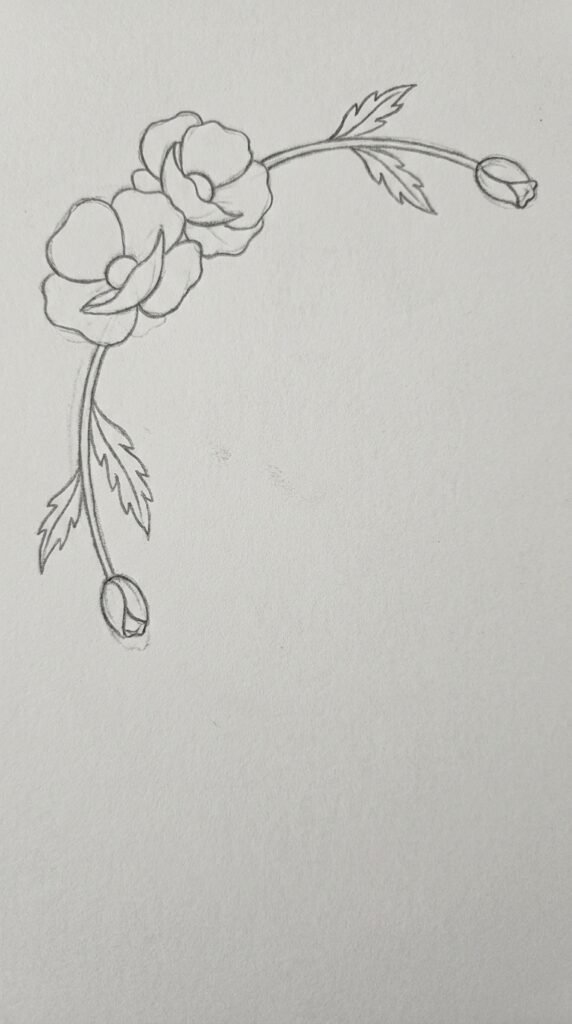
A corner border is a popular design element used in journals, notebooks, greeting cards, and social media graphics. This drawing idea places poppy flowers and leaves in an L-shaped arrangement in one corner of the page.
Step-by-Step Instructions:
- Start at the top left corner of your paper. Draw two poppy blooms clustered together near the corner itself, allowing them to overlap slightly.
- Extend a curving stem horizontally along the top edge of the paper for about one-third of the paper width. Add small leaves along this stem.
- From the same corner cluster, extend another curving stem downward along the left edge of the paper for about one-third of the paper height. Add leaves along this stem as well.
- At the end of the horizontal stem, add one poppy bud. At the end of the vertical stem, add another small poppy bud.
- Fill any gaps in the corner cluster with additional small leaves or short stems to make the arrangement feel lush.
Poppy Bouquet Tied With Ribbon
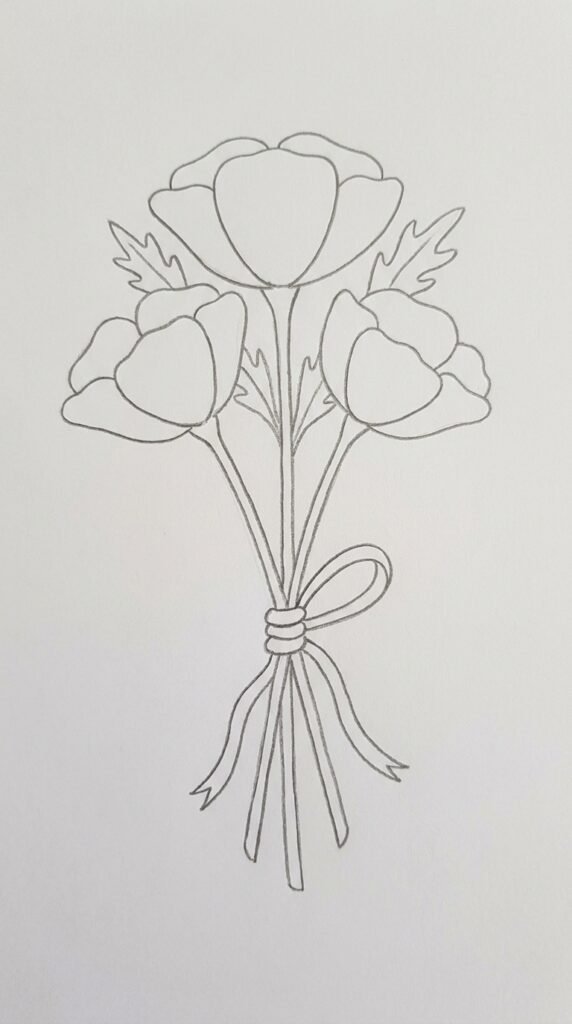
A tied bouquet is a charming drawing idea that groups multiple flowers together with a simple ribbon knot at the base. It looks impressive but is built from simple shapes you have already practiced.
Step-by-Step Instructions:
- Draw three poppy blooms of slightly different sizes arranged so they fan outward at the top. The center bloom should be highest and the two side blooms slightly lower.
- Draw the stems of all three flowers converging downward into a bundle. The stems should come close together in the lower third of the paper.
- At the point where the stems bundle together, draw a simple ribbon knot. Draw two loops on either side of the knot and two ribbon tails hanging downward.
- Add a few leaves between the flower heads. Let some of the leaves slightly overlap the petals for a natural layered look.
- Review the overall shape. The top should be wide and fan-like and the bottom should narrow to the ribbon point. Adjust any stems that spread too far apart.
Poppy Flower Inside a Circle Frame
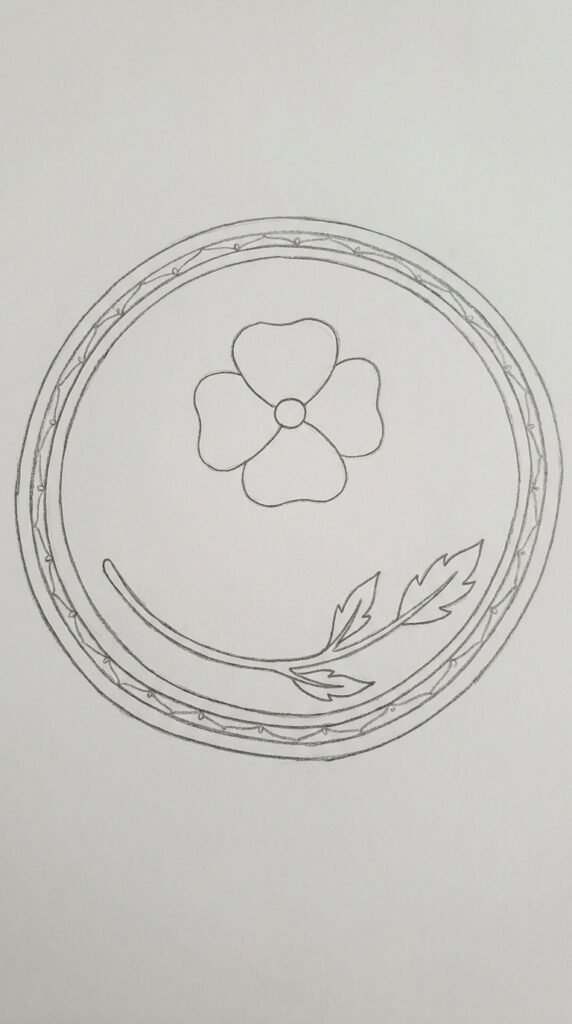
Placing a poppy flower inside a decorative circle frame creates a medallion-style composition that is very popular for wall art, logos, and Pinterest graphics. The circle gives the drawing a finished, polished look.
Step-by-Step Instructions:
- Draw a large circle in the center of your paper. Use a compass or trace a round object for a clean circle. Leave some space around the edge.
- Inside the circle, draw a single large poppy bloom centered in the upper half of the circle. Use the four-petal method with a circular center.
- Below the flower, draw a curved stem that gently follows the inside curve of the lower circle.
- Add two or three leaves that spread out along the stem and fill the lower portion of the circle without touching the circle border.
- Along the inside of the circle border, draw a thin decorative line following the curve. This creates a double ring frame effect that finishes the composition.
Drawing Tips
These tips will help you get better results with every poppy flower drawing idea in this guide.
Use a light hand for your first marks. Draw your initial shapes very lightly so they are easy to erase if proportions are off. Once you are happy with the placement, press a little firmer to define the final lines.
Work from the center outward. Always draw the center circle of the flower first, then build the petals around it. This gives you a stable anchor point and keeps the petals evenly spaced.
Use real references alongside this guide. Look at photographs of real poppy flowers while you draw. Even when following step-by-step instructions, a real reference helps you make small adjustments that bring your drawing to life.
Practice individual elements separately. Before drawing a full bouquet or a field scene, practice a single petal shape, a single leaf, or just the seed pod on its own. Isolating each element builds your confidence.
Do not rush the stem. Beginners often draw stems too quickly and end up with wobbly or uneven lines. Move your pencil slowly and steadily from the base of the flower downward in one smooth motion.
Common Mistakes
Petals that are too small relative to the center circle is one of the most common issues. The petals should always be clearly larger than the center. If the center looks too big, make it smaller rather than making the petals bigger.
Symmetry that is too perfect can actually make a poppy look stiff and artificial. Real poppy petals are not perfectly even. Allow slight variations in petal width and angle for a more natural result.
Stems that are too thin or too thick are another frequent mistake. The stem should feel proportional to the flower head. A tiny flower with a thick trunk-like stem looks unbalanced.
Skipping the leaves removes a key element that makes the composition feel complete. Even the simplest single-bloom drawing benefits from at least one or two small leaves. Leaves also help fill the page and create a more finished look.
Erasing too hard and creating paper damage is something many beginners do when correcting mistakes. Use a soft eraser and light pressure. It is always better to gently lighten a line than to scrub the paper.
Frequently Asked Questions
What is the easiest poppy flower drawing for absolute beginners?
The simple single poppy bloom is the best starting point. It uses only a circle and four oval shapes, making it easy enough for young children and adults who have never drawn flowers before. Once you are comfortable with that, you can try the poppy bud or the side view.
Do I need special pencils to draw these poppy flower ideas?
No, you do not need anything special. A standard HB pencil and plain white paper are all you need for every drawing idea in this guide. A 2B pencil can be used if you want slightly darker lines, but it is not required for any of these tutorials.
Can children follow these poppy flower drawing tutorials?
Yes, every tutorial in this guide is designed with children in mind. The instructions use simple shapes, clear language, and a small number of steps. Children as young as six or seven can complete the single bloom, bud, and seed pod drawings with minimal adult help.
How do I make my poppy flower drawing look less stiff and more natural?
The key is to avoid making everything perfectly symmetrical. Let your petals vary slightly in size and angle. Allow your stems to have a gentle curve rather than being perfectly straight. Adding small overlapping leaves also helps the drawing feel more organic and lively.